
#WATWB — Self Assembling PFAS Traps
In a world where the news gets worse every day, where words like quarantining and self-isolating have become part of our everyday jargon, and where environmental degradation seems to be the least of our worries, where the world sits, steeped in misery and despair and at the point of implosion, there’s finally something to raise our spirits an inch: PFAS traps.
First off, what the heck is PFAS?
Perfluoroalkyl and polyfluoroalkyl substances — collectively known as PFAS — are a group of man-made chemicals that include PFOA, PFOS, GenX, and many others. Manufacturing of PFAS began in the 1940s and soon this miracle product was being used in all kinds of products ranging from GorTex to teflon pans.
And PFAS had superpowers. They could repel both oil and water at the same time and were so versatile that manufacturers started putting these chemicals into everything: waterproof clothing, shoes, non-stick cookware, personal care products like hairspray and foundation, paints, carpet, fast food wrappers, cardboard packaging, electrical wire casings, surfactants, emulsifiers, and hundreds of other products. Eggs don’t stick when you cook with teflon and clean up is a breeze. And who wants to climb Mt. Everest wearing 20 pounds of wet wool when you can wick moisture away with GorTex? Even airports and army bases were using PFAS in their fire fighting foam.
What an amazing product, right?
Unfortunately, our greatest triumphs are often our Achilles heel.
The name PFAS describes the entire suite of chemicals with a fluorine and carbon bond so strong they have been dubbed “forever” chemicals. Further, the widespread use of PFAS has made them insanely persistent in the environment. There’s about 5,000 chemicals under this umbrella but the two most studied are PFOA and PFOS. While PFOS has been phased out of production, there are still plenty of replacements.
PFAS chemicals migrate through air, water, soil, food, even dust. They’re also used in packaging. Likely exposure routes are through food or water contaminated with PFAS, and through our skin via personal care products and clothing. For instance, if you scratch your teflon pan, the chemicals in the coating are released, so you get to have PFAS with your eggs.
The FDA found PFAS contamination in many foods sampled at the grocery store including seafood, and even chocolate cake. Currently there are no MCLs — maximum contaminant levels — for PFAS in drinking water, just a health advisory level of 70 ppt — that’s about 3 drops in an entire swimming pool. It’s not an enforceable regulation but it is driven by a risk assessment.
Health effects of PFAS include cancer, liver damage, developmental issues and more. A report by the CDC found PFAS in the blood serum of practically everyone in the U.S. The number was going down since removing certain PFAS from many consumer products — which is good news. And the industry is replacing the old chemicals with shorter carbon chain chemicals like GenX, but we don’t know a lot about these shorter chain chemicals. We do know more research is needed to understand the fate and transport and exposure routes and that’s going to take more time, but do we have it?
Regulating PFAS is a complicated issue, but that doesn’t mean that the water utilities haven’t figured some things out. PFAS are resistant to chemical treatment but they can be removed using granular activated carbon (GAC), reverse osmosis, and ion exchange resins.
And now, hopefully, with PFAS traps.
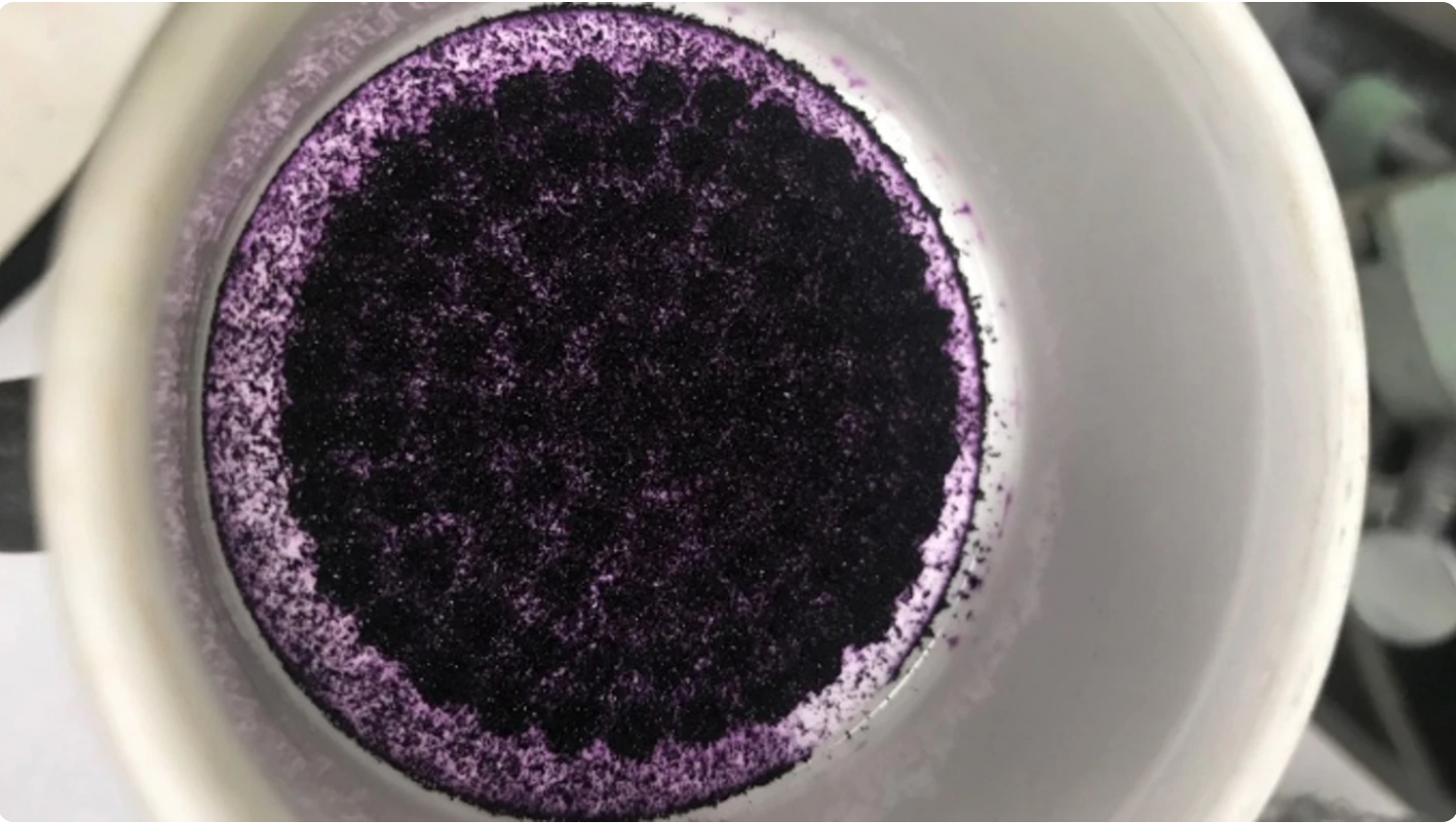
Scientists at the University of Buffalo have discovered self-assembling PFAS traps. By creating a tetrahedral cage made from iron and other organics that assemble like Legos, they are able to trap the PFAS to the outside of the chamber. The hope is to use these traps to pull PFAS out of drinking water which could ultimately improve water quality and drinking water standards.
And who wouldn’t be happy with a little purer water?
It’s the last Friday of the month. Time to share the good news on We Are the World Blogfest — #WATWB — a monthly good news trip around the world. May we all be energized and rejuvenated by the good news. If you’re interested in joining our Blog Hop, the guidelines are as follows:
1. Keep your post to below 500 words;
2. Link to a human news story on the last Friday of each month that demonstrates love, kindness, humanity, support, open-mindedness, you know, that kind of stuff, but no proselytizing, preaching or inconsiderateness toward others;
3. Post on the last Friday of the month in sharing the good news. No story is too big or small;
4. Place the WE ARE THE WORLD Badge on your sidebar and help spread the word on social media. Tweets, Facebook shares, G+ shares using the #WATWB hashtag through the month most welcome;
5. Read and comment on others’ posts, play nice, and make friends;
6. To sign up, add your link in WE ARE THE WORLD Linky List below.
Click here to enter your link and view this Linky Tools list. This month’s cohosts are:
Eric Lahti – https://ericlahti.wordpress.com
Susan Scott – http://www.gardenofedenblog.com/
Inderpreet Kaur Uppal – http://inderpreetuppal.com/
Shilpa Garg – https://shilpaagarg.com/
Peter Nena – https://drkillpatient01.wordpress.com/
Thanks for reading!
pam lazos 7.31.20

































 Green Life Blue Water