The Brain-Eating Amoeba Naegleria Fowleri

The unofficial end to summer is upon us and as we round the corner heading into Labor Day weekend, perhaps you will be interested in reading this post about the brain-eating amoeba that lives and lurks in our waterways, as told to you by 17-yr. old Janelle Fletcher, or Nelly, as her friends call her, “a fan of horror, thriller, and old scary movies,” which is probably why Naegleria fowleri appeals to her!  Warning:  the following is not for the faint of heart.  Happy swimming.

Studying the Brain-Eating Amoeba

by Janelle Fletcher

photo credit biospace.com

On August 2, 2020, Tanner Lake Wall, a thirteen year old boy from Palatka, Florida died after contracting an extremely rare and mostly water-based amoeba which triggered a disease known as primary amebic meningoencephalitis, or PAM, a brain infection that causes swelling of the brain and destruction of the brain and meningeal tissues, generally resulting in coma and death within 10 days after infection.  PAM is clinically similar to bacterial meningitis so the chances of being properly diagnosed with the disease are slim, lowering the already tiny chance of surviving the infection, and that, unfortunately, is what happened to poor Tanner.  According to the CDC, most people who contract the disease do not survive:  “Only 4 people in the U.S out of 148 have survived infection from 1962 to 2019.”  This means the brain-eating amoeba has a fatality rate of 97%. 

With such terrible survival rates, it’s important to be informed.  What, exactly, is a brain-eating amoeba?  How do you know when you have one?  And how do you prevent infection?

Naegleria fowleri, known as the brain-eating amoeba, is a free standing amoeba that does not need a human or animal host to complete its life cycles.  Originally discovered in Australia in 1965, it is believed to have evolved over time in the U.S. although from 2009 to 2018, only 34 cases have been reported.  As a small parasite, Naegleria fowleri travels up the olfactory nerve, one of the 12 cranial nerves leading straight to the brain, where it then takes up residence.  Usually this parasite eats bacteria, but when swept up into the human body, it uses the olfactory nerve like a trail to the brain which then becomes its food source.  As it begins munching on brain tissue, the human body sends white blood cells to fight the intruder and in response, the brain swells and eventually runs out of space inside the skull.  Most often, the person dies before being diagnosed. While it’s very rare to get this type of infection, there is also no good treatment for it.

Interestingly, 37 of the 148 known cases of Naegleria fowleri originated in Florida which is understandable when you see how the amoeba breeds. Naegleria fowleri can be found in warm still waters — the ameoba becomes dormant in cold water — such as mud puddles, slow flowing rivers, untreated swimming pools, even in soil, and can survive in waters as hot as 115 degrees Fahrenheit.  Water- based activities such as swimming, diving, water skiing — where water might be forced into the nose — and other water sports only increase the chance of being infected, especially in the months of July, August, and September.

photo credit CBS 17

Problematically, as symptoms related to climate change increase and small bodies of water lay dormant for longer periods of time on hotter days without recharge, incidences of Naegleria Fowleri could be on the rise.  If you experience symptoms within 2 to 15 days after doing water-related activities in potentially infectious water, you may have contracted the disease.  Symptoms may include: fever, headache, nausea, or vomiting, and later, stiff neck, confusion, lack of attention, loss of balance, hallucinations and sometimes seizures. Death generally follows five days after the last symptoms appeared. Studies also show that Naegleria Fowleri is attracted by the chemicals secreted by the nerve cells of the olfactory nerve which is how they end up in the frontal lobe of the brain.  There are some drugs able to kill the amoeba in test tubes, but when treated with these drugs, very few patients survive the ordeal.

But how can we keep this from happening?  As a public health intern, I would want to first figure out how or why people got infected with the parasite and work to prevent it from happening again. If participation in water sports increases risk of exposure, I would advise people to not swim in waters they are uncertain of during summer months, especially when there has been very little rain. Then I would promote proper cleaning of the nose after water sports and water-related activities. Naegleria fowleri is not contagious and cannot be contracted by drinking contaminated water; it only enters the body through the olfactory nerve.  And last but not least, I would spread awareness because not many people know about this tragic disease.

To prevent infection, avoid water sports in warm, still water during the months from July to September; do not stir up mud while doing certain activities; and properly clean your nostrils, not using tap water but distilled water.  Though the brain eating amoeba is very rare, I’d still be cautious of water and clean my nose properly after playing in the water because who knows? You’ll be prepared for the worst if you ever feel yourself ill with a headache turning into a stiff neck… 

Sources: https://www.cdc.gov/parasites/naegleria/index.htmlhttps://www.today.com/today/amp/tdna191563; https://www.cdc.gov/parasites/naegleria/illness.htmlhttps://youtu.be/2-CDcXUACos; https://youtu.be/V0-Fn-T0vgk

Hi my name is Janelle.  I’m a 17 year old senior from Philadelphia who loves to study different diseases and wants to know about them. I love to watch anime, teach, learn, read, and listen to music. I’m a fan of horror, thriller, and old scary movies.  And I’m going to be a researcher in the medical field as well as a doctor.

Posted in Uncategorized | Tagged , , , , | 18 Comments

The Great Pacific Garbage Patch

by Ewoma E. Okah-Avae

sunset over ocracoke island, nc © pam lazos

Ewoma is a Geographer, Environmentalist, Blogger & Podcaster on environmental awareness, issues and concerns. She has a blog on which she writes regularly about the environment. The Green Code: Invest In The Matters Of The Environment is a newsletter she writes on a monthly basis about environmental trends. Her podcast titled: Your Environment Matters By Ewoma Okah-Avae can be heard on Google, Spotify, Apple, Anchor, Breaker and a host of others. Please enjoy this blog post by Ewoma.

The Great Pacific Garbage Patch is an area of marine toxic waste plastic pollution estimated to be 1.6 million square kilometers, twice the size of Texas and three times the size of France! As my writer friend put it, “it’s another continent on its own!” One wonders how there can be so much waste to constitute the size of almost a continent?  Well, what else do we expect to gain from years of accumulated plastic pollution? This is one of the consequences of inadequate solid waste management practices impacting our oceans.The Great Pacific Garbage Patch, or GPGP as it is called, is situated halfway between the states of Hawaii and California in the United States. An estimated 1.15-2.41 million metric tonnes of plastic waste enters the oceans every year from rivers, streams, drainage canals and beaches, resulting in about 1.8 trillion floating plastic pieces some of which have formed the GPGP. 

But before we look at the effects of plastic pollution on our oceans, we need a quick exposé on the importance of oceans: oceans are a natural carbon sink, grabbing carbon dioxide from the atmosphere to use in the process of photosynthesis by plants living in the sea and acting as a major storage system for carbon dioxide. A carbon sink is any reservoir, natural or otherwise, which accumulates and stores carbon compounds for indefinite periods of time. Oceans are considered to be the main natural carbon sink apart from vegetation and forest cover on land, absorbing approximately 50% of the carbon emitted into the atmosphere. Plankton, coral reefs, algae, fish and several other photosynthetic bacteria contribute largely to this extraction of carbon, helping to lower drastically the concentration of carbon dioxide from the atmosphere.

We can’t overemphasize the importance of oceans especially when it comes to mitigating the effects of global warming and climate change, helping to lower or even eradicate the load of carbon emissions which human activities introduce with more ferocity each year into the environment. If these natural carbon stores or sinks are damaged by plastic pollution, there’s no doubt that the natural ability of this ecological wonder to store carbon will be hampered. If the ocean could no longer store carbon, climate change would accelerate exponentially.

The extent of plastics pollution in the GPGP is enormous. The main pollutant is called the Persistent Bio-accumulative Toxic Chemical present in plastics, otherwise known as PBT. Often plastic pollutants enter the oceans through rivers and other tributaries where over time due to ocean currents, heat, and salinity, they are broken down into microplastics in the range between 0.05-0.5cm in size. Others are meso plastics between 0.5-5cm; macro plastics between 5-50cm, and mega plastics which are 50cm and above in actual size. The majority of plastics retrieved were made up of hard plastic called polyethylene (PE) or another one called polypropylene (PP).

Derelict fishing gear which includes nets and ropes, partially ranging in size from small fragments to larger objects and meter-sized fishing nets are responsible for about 46% of the total mass of plastics waste which is constantly breaking down into smaller and smaller pieces. Abandoned fishing nets, known as ghost nets, often strangle marine animals such as fish, dolphins, and sea turtles as as they migrate through waters where they often meet a gruesome death. Studies have revealed that about 700 species have encountered marine debris and 92% of these debris are plastic wastes. These animals often mistake small microplastics for food and ingest them, ultimately dying from their inability to digest the plastic. In addition to marine health, there are myriad other health and economic implications and challenges for humans. There is no question that the amount of plastics pollutants present in the oceans poses a constant threat to aquatic and human life and the ability of the oceans to maintain equilibrium. 

If we are to survive as a species, we need to take serious steps to reduce pollution in our water ecosystems; it’s not enough to just look on and do nothing. Some companies like The Ocean Clean Up project are working hard to ameliorate plastics in our oceans, but we also need governments, corporations and stakeholders to rise up and make their voices heard in order to ensure that plastic pollution is reduced to the barest minimum until it is eventually eradicated altogether. Strict measures to effectively dispose and manage solid wastes should be put in place, especially in coastal areas surrounded by beaches. Recycling activities should be introduced into these communities if they don’t already exist, and should be strictly adhered to in order to reduce plastic waste entering our rivers and oceans. It’s time we all do our part.

For more news about the environment you can check out Ewoma’s blog: https://enviromentalline.blogspot.com 

Follow her on LinkedIn:    Ewoma Okah-Avae; Twitter: @ewomao; Instagram:  ewomazino28; and Pinterest: eokahavae 

Posted in Uncategorized | Tagged , , , , | 33 Comments

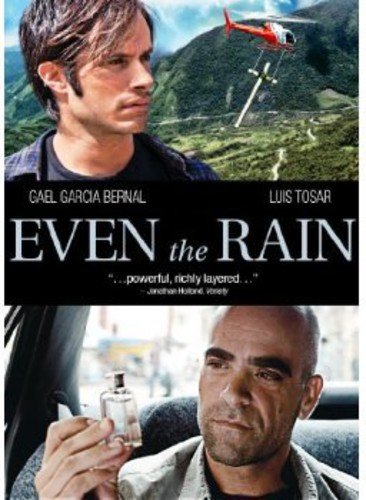
También la Lluvia

photo credit Amazon

También La Lluvia (Even the Rain) (2000), directed by Icíar Bollaín, tells the story of a small film crew making a movie about Christopher Columbus’ landing in the New World and the effect Spain’s arrival had on the indigenous Indian population. The movie crew travels to the Andes Mountains in Bolivia where they find the extras needed to shoot the movie. Never mind that these Indians are mountain dwellers and Columbus’s Indians were coastal dwellers, the producers say — Columbus landed in what is now the Bahamas — since no one will know the difference; they budget is tight and the extras will work for $2/day. The film brilliantly juxtaposes the colonialism of imperial Spain in 1511 with the privatization of Bolivia’s water in the year 2000.

At the time of the crews’ arrival, the locals were enmeshed in a water war over the privatization of the Cochabamba water utilities, known as the Cochabamba Water War of 2000. Bolivia had been under military rule for two decades until 1982 when it transitioned to a democratic government. However, the country remains very poor until this day and when the World Bank stepped in with the offer of a loan in the late 1990s, the government of Bolivia agreed to privatize their water by selling Bolivia’s water rights to the multinational Bechtel Corporation to pay back the loan.

However, the natives, who had hand-dug wells to provide water for their communities, had other plans. When Bechtel padlocked the wells, denying the locals access to water while simultaneously raising the price on that water approximately 300%, things looked bleak for the Indians. As a subsistence population that had very few opportunities to earn money, this may as well have been a death sentence.

But never underestimate the power of a large group of people bent on positive social change. After three days of protests, the government of Bolivia rescinded the contract and the indigenous population was able to retrieve one of life’s basic necessities.

The movie proceeds on parallel tracks with the injustices of colonization by Columbus and his men in 1511 overlain with the injustices of an international corporation in 2000, one more concerned with taking control of The Commons to increase its own usurious profits than with the health and welfare of the people. In Columbus’s day, the indigenous peoples were forced into slavery to find gold to fund the Spanish Empire’s unquenchable thirst for lands, power, and global dominance or risk losing lives and limbs. In 2000, the indigenous peoples were being forced to pay for water resources at exorbitant prices — up to half a year’s salary just for access to water — resources that should be available to all in order to fund Bolivian debt, once again moving society forward on the backs of its poorest members.

The haunting soundtrack by Spanish composer Alberto Iglesias, who first gained notoriety for his musical scores written for the inimitable Pedro Almodóvar films — the pair have a 25-year history of collaboration — and later gained global acclaim with three different Academy Award nominations for his scores on The Constant Gardner (2005), The Kite Runner (2007), and Tinker Tailor Soldier Spy (2011), will assure that this movie doesn’t leave you any time soon.

También La Lluvia received three Goya Awards, one of which was for Iglesias’ musical score. Established in 1987, Goya Awards are much like the Academy Awards, honoring the best of Spanish film making each year.

For the movie, for the music, and for the reminder that some things, especially water, should not come with a price tag, watch También la Lluvia.

También La Lluvia is streaming on Netflix and also available (with commentary) on Youtube for free.

Posted in Uncategorized | Tagged , , | 18 Comments

Mortality, the Basics

or Thirteen Tips for Beating Back Death — Stick Optional

I woke up the other day with a Blood Sweat and Tears song, When I Die, in my head, one of those songs from childhood that stick with you like mice to a glue trap so, of course, I went to Youtube to listen, dancing around the kitchen while waiting for the coffee to brew as the cats looked on with mild interest and the dog, used to my morning dance routines, rolled his eyes and laid down on his bed, waiting for the noise to subside.  Why the sudden preoccupation with death?  Well, I just celebrated a birthday, one of the aughts, and no, I’m not going to tell you which, not that you can’t figure it out from one google search or other.  If nothing else, aughts are a great reason to take stock of your life.

Now I’m not trying to be morbid, but I think we should all take a page from the Tibetan Book of Living and Dying and cast a long hard look at our own mortality, i.e., death.  The Buddhists believe that only in looking at our own death can we live a good life, but I can’t even write the word death with ease.  So I turn to music, and as death songs go, the Blood Sweat and Tears song is great one:  upbeat, positive, we’re all going to go so we may as well have a good backbeat in our heads while doing it kind of song. 

The day before I woke up with the Leon Helm song, When I Go Away, another classic.

Rather than think all these death songs are a shout out from my subconscious to pack my bags cause the reaper’s a’ comin’, I think it’s a clarion call to being present and living each moment to the fullest because, if the physicists, Buddhists, and Jeff Buckley are to be believed, all we have is this moment.  

So here are my thirteen tips for, what?  Beating back death?  Living your best life?  Sustaining happiness? Getting rich?  Being content? How about all of the above and in no particular order.

  1. Be kind.
  2. Dream big and often, and as a supplemental bonus to this, you’ll get plenty of sleep which apparently we all need more than we ever knew.
  3. Read something that inspires you every day.
  4. Write your morning pages.  A la Julia Cameron in The Artist’s Way, I write some morning pages every day.  Out with the old, in with the new as Julia says.
  5. Ask yourself at least one hard question every day — and answer it.
  6. Laugh — a lot and with abandon. 
  7. Move your body.  Dance, jump, hike, bike, do whatever you like, but move it, baby.
  8. Be grateful.  Everything matters. Not just dogs or cats or black lives or blue lives or conserving farmland, or reducing plastic waste, but EVERYTHING matters.  Be grateful for it all, even the crappy stuff, because that’s where the lessons are and also what makes you like tempered glass — practically shatterproof.
  9. Hugs. Hugs are a superior form of communication, like a big security blanket, providing warmth and comfort without the need to plug it in.  Give and receive hugs every day, pets included.  You can learn a lot about a person from hugging them. My friend Monical likes to hug on the left side. She calls it heart-to-heart hugs. I love this.
  10. Pay it forward.  This will help you as much as the person being helped even if you never even meet that person or know a single thing about them.  Trust me on this one.
  11. Live life wide open.  That means being vulnerable.  If this scares you, suck it up.  The only way to live life is with honesty, integrity and vulnerability, otherwise you are just going through the motions. 
  12. Be like water.  Drink it, conserve it, and protect it.  Go with the flow.  When you capture it in plastic bottles that one day end up in the ocean it somehow ruins everything.  You’re made up of 72% water.  Best to keep it clean out there so you can keep it clean in here.
  13. Breathe.  Just breathe.

And that’s it, my best tips for living your best life in the best possible mind, body, spirit combination/alignment/state of mind.  You’re probably already doing half the stuff anyway so just amp it up a bit before time’s up.  

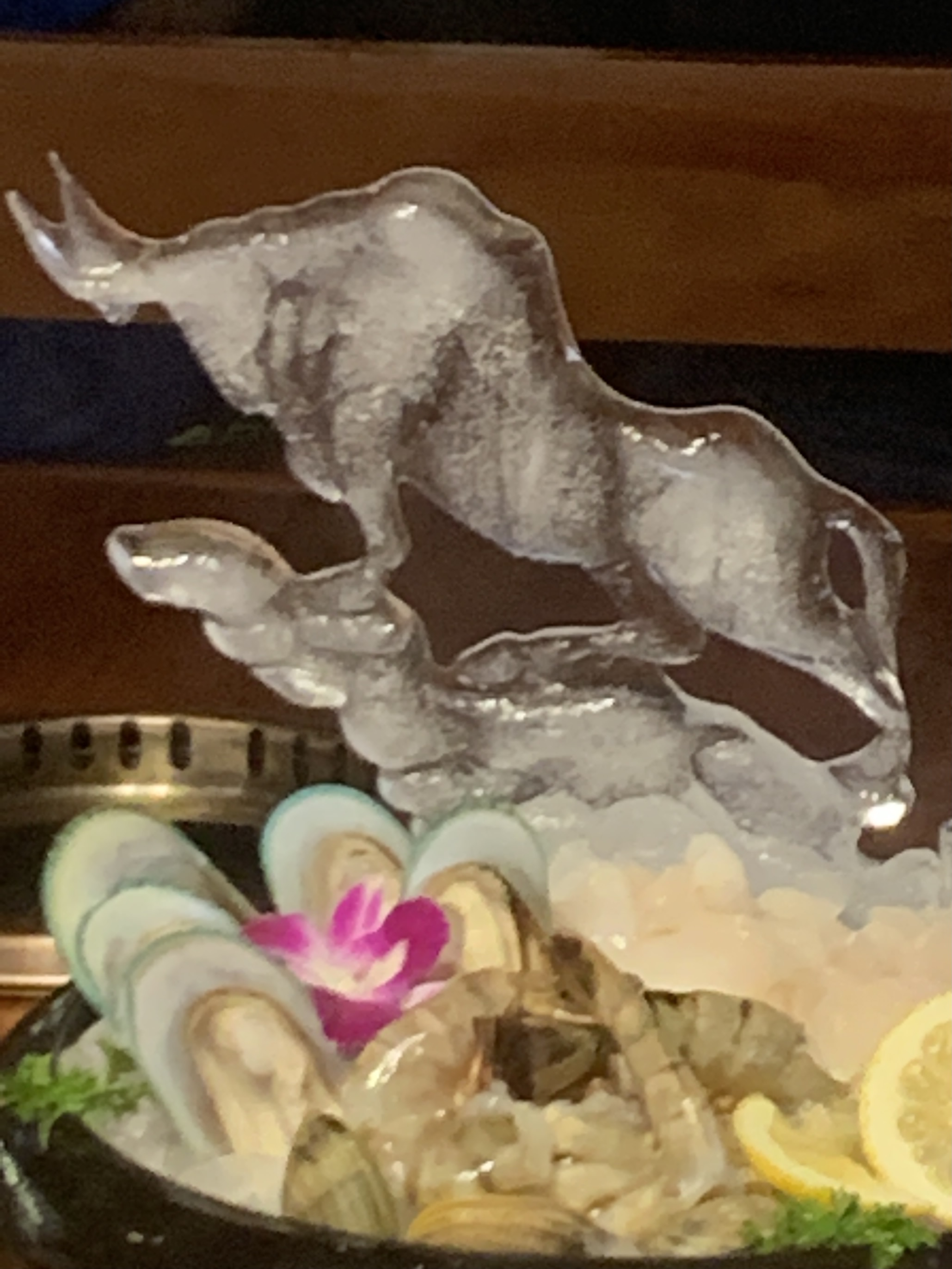
JK.  Time’s an illusion plus matter is neither created nor destroyed. Your physical body is like one of those cool ice sculptures at a fancy Asian restaurant. Odds are your death transition is just going to be another version of you — like water transitioning from ice to liquid — so don’t get your drawers all up in a bunch worrying about it and go live your best life.

As always, thanks for reading.

pam lazos 7.11.21

Posted in Uncategorized | Tagged , , | 37 Comments

Water-Conscious Ways to Create an Eco-Friendly Landscape

calla lilies © pam lazos

Enjoy this post on water conservation courtesy of Green Life Blue Water contributor, Mark Harris:

Saving water goes beyond turning off the tap before your lawn floods. In fact, conserving water goes far deeper than throttling back your water bill. These water-conscious changes courtesy of Green Life Blue Water can help you achieve a beautiful lawn without sacrificing the local ecosystem.

Add Non-Lawn Elements

Lush lawns aren’t the only way to make your yard look appealing. Consider non-grass elements to use less water.

rain garden © pam lazos
  • Explore rock garden [or rain garden] ideas to create a dry [or drought-resistent] yet appealing yard.
  • Learn about mulching to make the most of your watering.
  • Try groundcover plants instead of grass seed to cover dirt.
  • Hire a tree removal service to clear away old trees and dead branches.

Change How You Water

You don’t have to eliminate greenery entirely to conserve water. Changing how you water is another eco-friendly step toward a kinder landscape.

Adopt Eco-Conscious Gardening Methods

While water is one vital consideration, your lawn affects local ecosystems in other ways. Try these tips for saving the environment through smarter gardening.

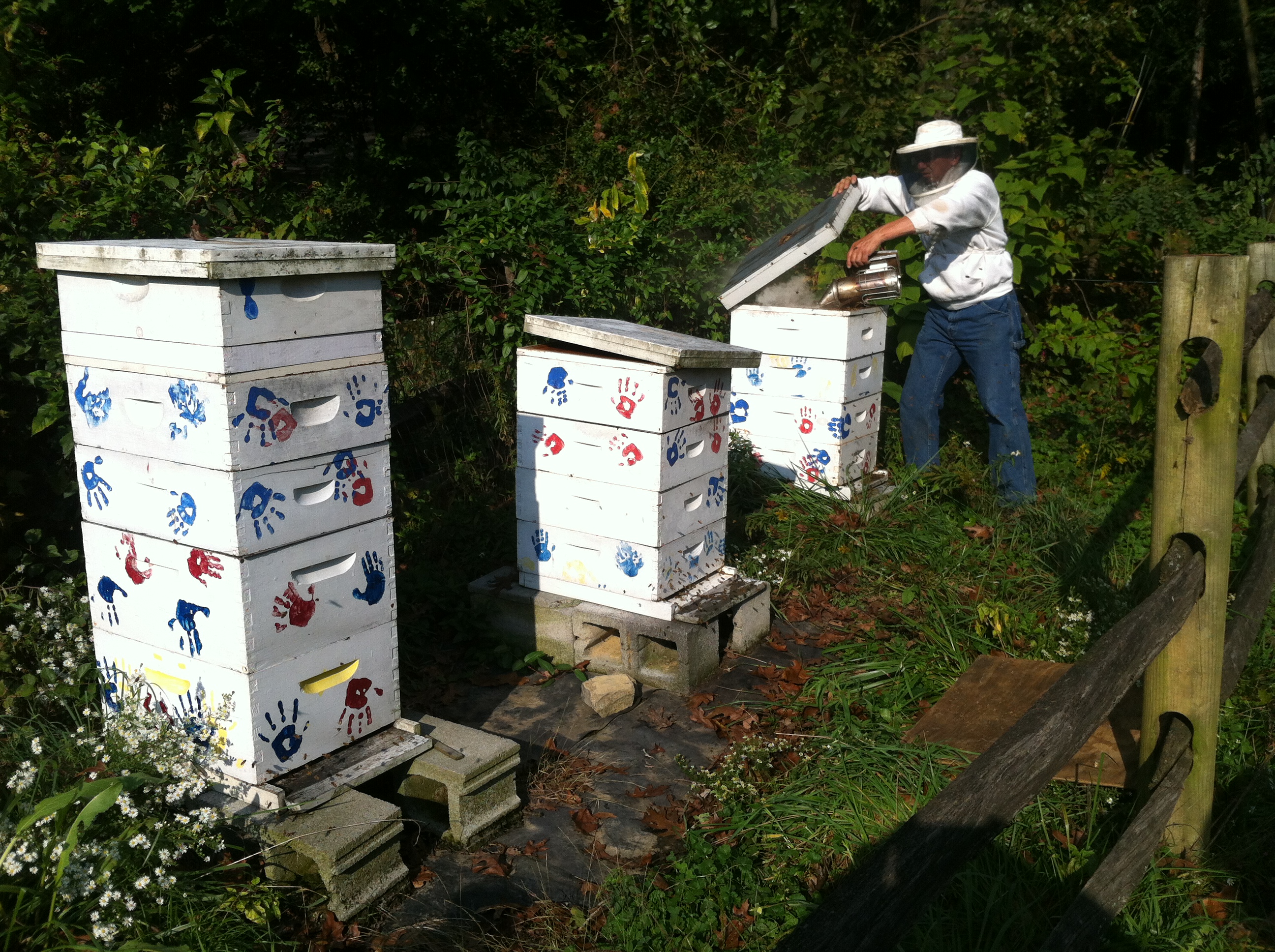
honey harvest day © pam lazos

Green lawns might be appealing on the surface, but the truth is that the more diverse your landscape is, the more environmentally friendly it becomes. By taking these steps toward a more conscious garden and lawn, you are helping to conserve water. But you’re also protecting local wildlife and ecosystems, which makes your neighborhood an even better place to live.

If you want to know more about Mark’s work and insights, head over to awarenesstoolkits.com

As always, thanks for reading.

pam lazos 7.2.21

Posted in Uncategorized | Tagged , , , , , | 18 Comments

Corporate Conscience – We Are the World Blogfest

Corporate America joins the fight in reducing plastic ocean waste.

If you’ve been following this blog for even a little bit of time, you know I consider plastic, especially single-use plastics, one of the more detrimental products of modern life. Since plastic first came to market in the 1950s, over 9 billion tons have been manufactured as bottles, bags, car parts, computers, and so on, roughly the same as the entire weight of humanity, yet virtually every piece of plastic ever made exists in some shape or form.

Recycling rates for plastic overall are at an abysmal 9%, slightly higher for bottles at 30%, but nothing to get excited about, especially considering that a lot of the detritus is now floating around in the ocean — where, if production isn’t curbed and recycling rates aren’t increased, will result in, pound-for-pound, more plastic in the ocean than fish — and, just as bad, in our rivers, carried along by stormwater runoff where it commingles with pollutants and hazardous substances.

Perhaps the news has gotten so bad that even corporations are having a “come to Jesus” moment. In a move more refreshing than the iconic drink itself, Coca Cola is partnering with The Ocean Cleanup to remove plastic waste — which includes plastic coke bottles and Dasani water bottles both made by Coca Cola — from the seas as the TOC’s first Global Implementation Partner. Exciting, right? You can read more here with their press release.

So let’s keep plastics, and by extrapolation, microplastics out of the things we love like beer, and rivers, oceans, and humans; and let’s reduce, reuse, and recycle our plastic waste so our kids can enjoy the kind of futures we all got to enjoy without worrying about the bottom falling out of the whole dang planet before they even get a chance to look around.

It’s the last Friday of the month.  Time to share your good news on the We Are the World Blogfest — #WATWB — a monthly good news trip around the world.  May we all be energized and rejuvenated by such news.  If you’re interested in joining our Blog Hop, the guidelines are as follows:

1. Keep your post to below 500 words;

2. Link to a human news story on the last Friday of each month that demonstrates love, kindness, humanity, support, open-mindedness, all the good stuff, but no proselytizing, preaching or inconsiderateness toward others;

3. Post on the last Friday of the month in sharing the good news.  No story is too big or small;

4. Place the WE ARE THE WORLD Badge on your sidebar and help spread the word on social media using the #WATWB hashtag;

5. Read and comment on others’ posts, play nice, and make friends;

6. To sign up, add your link to the WE ARE THE WORLD Linky List below.

Click here to enter your link and view this Linky Tools list.  https://www.linkytools.com/basic_link_entry_form.aspx?id=277138

Thanks for reading.

pam lazos 6.25.21

Posted in Uncategorized | Tagged , , , , , , , , | 26 Comments

Happy World Oceans Day

cd

[Sunset Beach, Cape May, NJ]

Today is World Oceans Day!

Like humans who are about 70% water, oceans cover 70% of the earth. In all likelihood, life emerged from the primordial soup, from the oceans to the swamps, bogs, marshes and wetlands, first as single-celled organisms, growing more and more with each millennium until all species evolved into what they are today.

Anywhere from 50%-80% of our oxygen comes from the ocean, and it also acts as a carbon sink, holding as much as 16xs more carbon than the land, which means oceans are more important than ever in these days of climate change. Make no mistake, without the oceans, none of us would be here.

Today, the world’s oceans are under attack: overfished, over-plasticized/polluted, and over-heated.

Overfishing:

According to the Environmental Defense Fund, overfishing is the biggest existential threat to our oceans. By taking more out than the ocean can reproduce in the same time period, disturbing breeding grounds, killing coral reefs with rising temperatures and pollution, and failing to properly manage fisheries, we are depleting our oceans at a rapid rate and putting our entire ecosystem at risk. Add to that the millions of people who make their living from fishing, and we have a many-tiered health crisis.

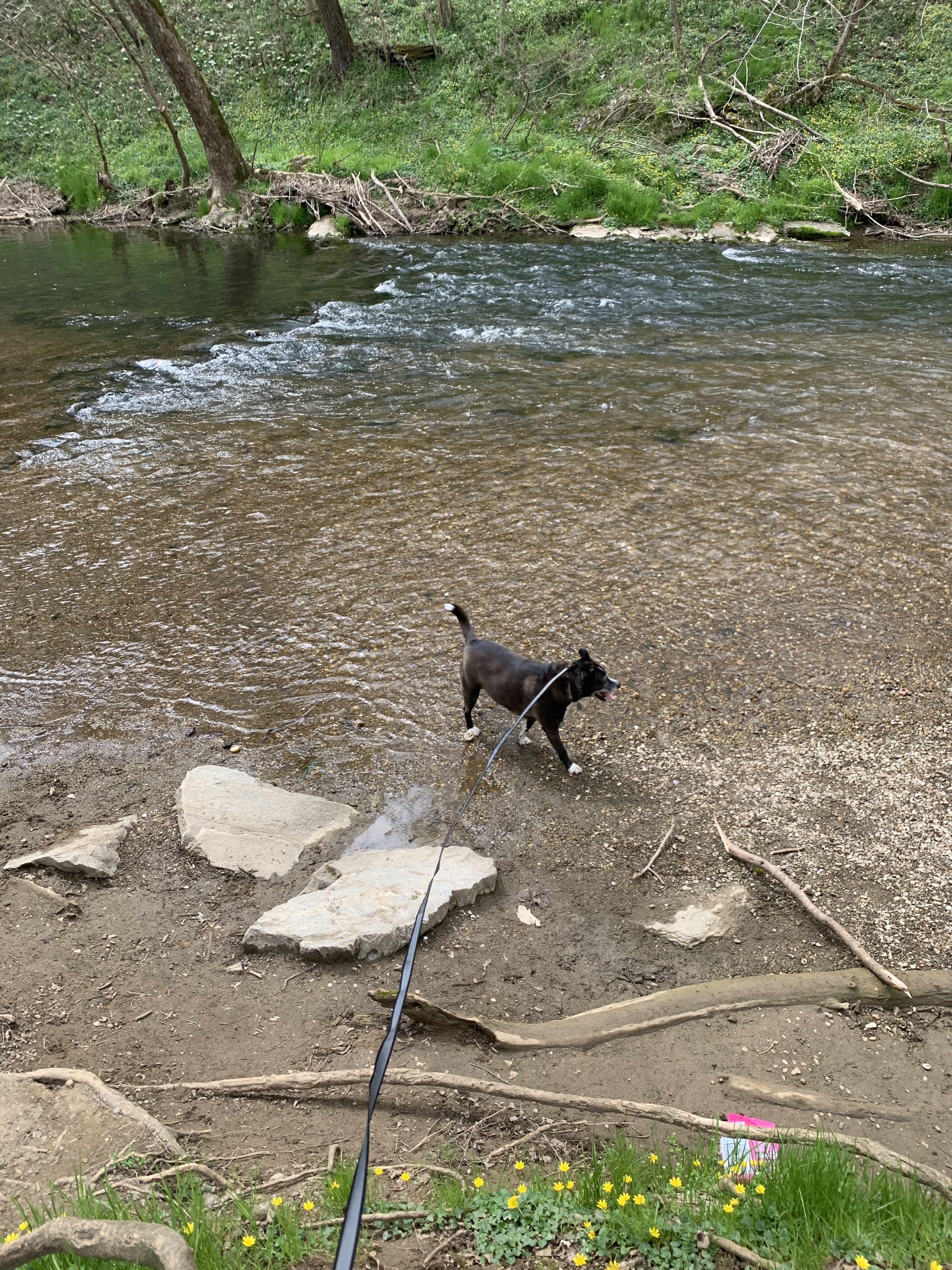
Plastic is insidious, indispensable, and here to stay. Note the plastic wrapper in the bottom right of the picture above. If someone doesn’t physically remove the trash, it will keep traveling farther and farther downriver until it reaches the sea since plastic doesn’t break down — not for hundreds or even thousands of years. If we are to live peaceably with plastic, we need to get our waste stream under control for the sake of our water.

10 Fun Facts About Plastic:

FACT #1 – ***9.1 BILLION Tons of plastic have been produced since plastic was first introduced in the 1950s.
FACT #2 – ***Virtually every piece of plastic that was ever made still exists in some shape or form.
FACT #3 – ***92% of plastic waste isn’t recycled.
FACT #4500 MILLION plastic straws are used EVERY DAY in America, enough to circle the Earth twice. 
FACT #5 – ***TWO MILLION single-use plastic bags are distributed worldwide every single minute.  The average “working life” of a single use bag is — 15 minutes!
FACT #6100 BILLION plastic bags are used by Americans every year. Tied together, they would reach around the Earth’s equator 773 times.
FACT #7 – ***Around the world, ONE MILLION plastic bottles are purchased EVERY MINUTE.
FACT #88 MILLION METRIC TONS of plastic winds up in our oceans each year — enough trash to cover every foot of coastline around the world with five full trash bags of plastic. 
FACT #9 – ***There is more microplastic in the ocean than there are stars in the Milky Way.
FACT #10If plastic production isn’t curbed, plastic pollution will outweigh fish pound for pound by 2050.

It’s the creatures closest to the ground that take the hardest hits from pollution, but as humans at the top of the food chain, we’ll get there; it will just take longer.

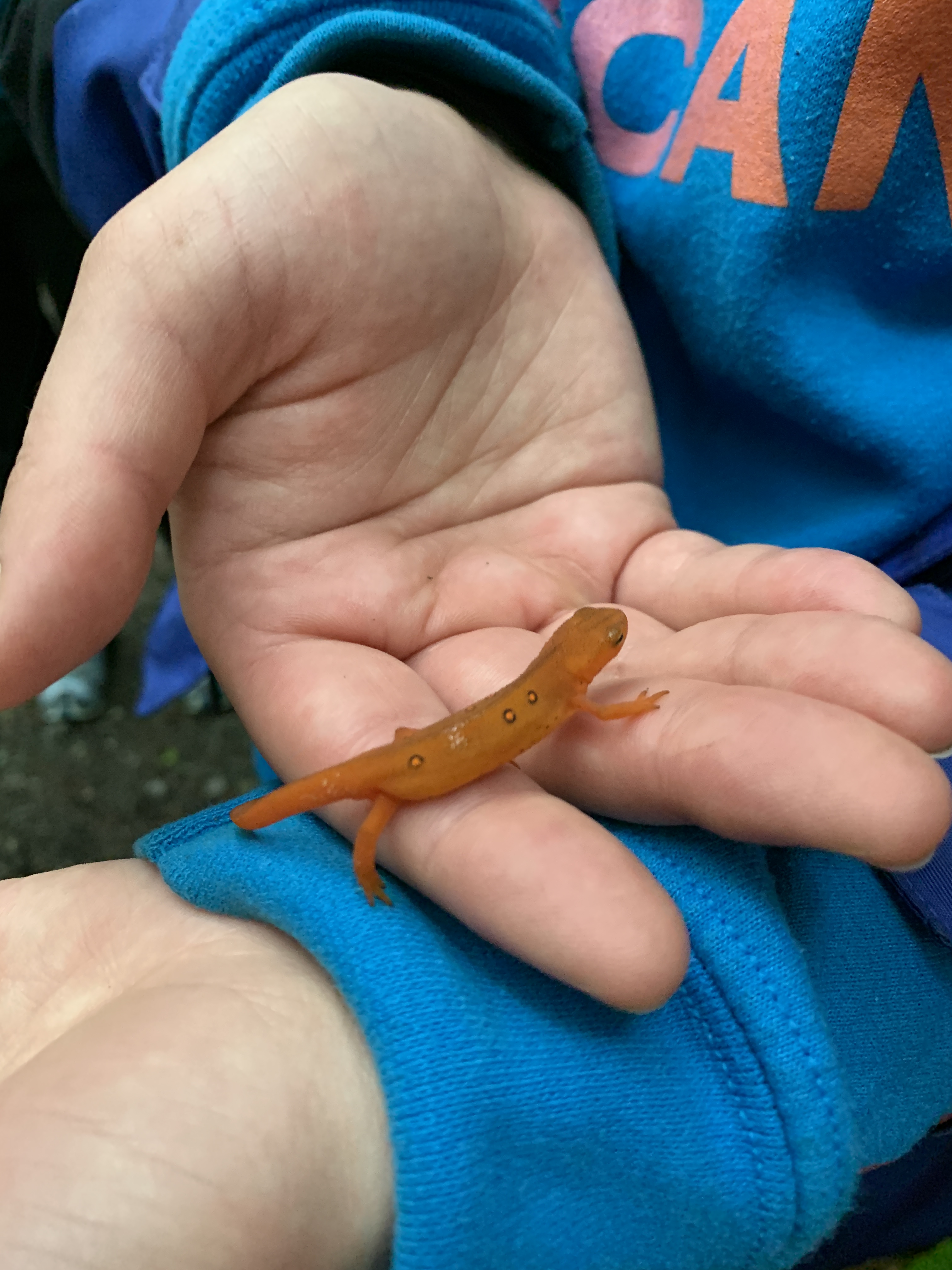
[A beautiful orange salamander]

Climate Change:

The worst is yet to come. If we don’t deal with climate change, like, right now, we may not have a habitable earth to call home anymore. Because of climate change, the earth is hotter, wetter, and more extreme, and the problem is growing exponentially. If we don’t reign in our worst tendencies immediately, today’s problems will seem like the proverbial day at the beach tomorrow.

For example, the glaciers are melting faster than in any decade on record which contributes to rising sea levels, followed by more coastal erosion — that’s if the coast is lucky enough not to be underwater — and bigger, badder storms. In addition, melting glaciers change the physical composition of water (formerly frozen and cooling parts of the earth) which changes the habitat fish live in which leads to fewer fish in the ocean. The long list of liabilities from climate change goes on so if we are to go on, we’ll need to address those items on the list.

One of the funniest (and saddest) things human beings ever thought was that they could control nature. No one can control nature. The earth will always get the last word.

Therefore, in an effort to protect ourselves from extinction, let’s protect our oceans, our first home. Let’s start today on World Oceans Day. The earth gives us so much to be grateful for. We can show her a little love in return.

pam lazos 6.8.21

Posted in Uncategorized | Tagged , , , , , , | 21 Comments

Born to Run

cover of Born to Run

Well I got this guitar and I learned how to make it talk.
Bruce Springsteen, Thunder Road

We all have stories to tell. Some may seem more important, depending on the teller and the telling, more alluring, more entertaining, more profound, but I posit that the greatest of storytellers can turn even the most mundane story into an anthem. Bruce Springsteen is a premiere storyteller and his autobiography, Born to Run filled with so much heart, grit, self-analysis, determination, sweat, and superhuman drive, you may have to stop reading once in awhile to catch your breath. In Born to Run, Springsteen tells his own story in his own way, nailing that sucker up on the cork board of his life for all the world to see, feel and interpret, revealing the fun, the failures, the hell-raising and the heartaches with the clear-eyed soulful vision of a poet, one who’s been around the block a few hundred thousand times and would go again in a heartbeat.

Part of mine own story is inextricably intertwined with Bruce’s music. He released Born to Run, the album, in August 1975, the year I started high school, and to my fervent freshman ears, the album sounded like a call to arms. How many times did I sing those songs while riding my bike en route to my lifeguarding job, or on the bus with the swim team coming home from a meet, all high on endorphins from our win, belting out Springsteen tunes in a glorious maelstrom of harmonic convergence. We knew all the words. Everyone in Jersey did. You pretty much couldn’t be from Jersey and not like The Boss. I’m pretty sure he’s a state treasure or something. It’s not just that Bruce is from New Jersey, it’s that he was New Jersey, every wild conundrum, incarnation and incantation, the fabulous and the foibles, and I swear I can’t listen to his music, not then and not today, without getting all choked up with emotion. The man’s music speaks to my soul. His book is no different.

Oh oh, come take my hand
we’re riding out tonight to case the promised land.

Bruce Springsteen, Thunder Road

I can’t read that line and hear the thrilling little guitar riff that follows without wanting to explode in exaltation or at least dance around the living room, so it was no surprise that I cried my way through Born to Run while riding my bike once again — this time for exercise not transportation — the story leaving me breathless with its spirit and hard-scrabble, wide-open honesty: the behind the scenes look into Bruce’s life and upbringing; the E Street Band whose members, after 40 years of playing together, he considers family; the dichotomy of mega superstar and common man; the uber adoration of his grandmother that gave him his self-described narcissism; his troubled and bipolar father who made every step Springsteen took a difficult one, but who later recanted after Springsteen won an Oscar for Philadelphia saying, “I’ll never tell anyone what to do again”; the mother who held it all together with her wit, loyalty to family, and exuberance; the Catholic upbringing which injected both a lyricism and mysticism into Springsteen’s writing before he even realized it; the social justice that was part of his life and band since the beginning, reflected most poignantly by his relationship with longtime pal and bandmate, Clarence Clemens — especially relevant today in a country teeming with racial injustice; and the love of his wife and family that ultimately saved him; all these pieces of the puzzle of one man’s story laid out for every man to help with their own stories, dissected and displayed with a poet’s grace and knack for association.

If you’re looking for drunken brawls and sexual exploits with all the torrid details, you won’t get much of that here, and while plenty of influential people appear in this book, to Springsteen, nothing much of it matters because nothing gets in the way of the music. He could do without food, water maybe, but not music.

Born to Run was released in 2016 so I’m a little late to the party, but if you have a library card and an app — I use Libby — you can listen to Springsteen read it to you, eighty or so chapters and eighteen plus hours of pure rock and roll bliss. There was not a page I didn’t find insightful, alluring, entertaining, shocking, or down right amazing, the story of a guy who despite all odds — what are they, like, a zillion to one? — and a lifelong (and familial) battle with depression, became a rock superstar and never once sat on his haunches, quite possibly the hardest working man in show business since the age of 14 to today. Treat yourself and listen to the audio. It’s like having a private concert with The Boss.

Posted in Uncategorized | 26 Comments

The Downstairs Girl

by Corinna Wang

Speaking of environmental and social justice issues — there’s a lot going on, and while we are busy dealing with the hustle and bustle of our ADLs — activities of daily living — we may not always raise our heads long enough to see how others are doing. After all, it’s a great big world and we can’t keep tabs on everyone, plus some of these problems are so ginormous that it’s easier to look at them, but not too closely, and then move on to things you can control of like getting your kid to soccer practice or making dinner. The thing is, the problems aren’t going to go away on their own, not without a concerted effort by more than a few of us.

That’s why I think fiction is so important in moving our collective consciousness forward. It allows us to see the problem, hold it in our hands, examine it from different sides, empathize without collapsing under the weight of it, and, clearheaded, brainstorm some solutions. In fact, I would offer that Story — which has been around as long has there have been humans — has moved us forward farther than most anything else in raising our vibration, opening our hearts, and understanding the connection between all living things.

The Downstairs Girl is one of those novels that deepens our understanding of the world while helping us to decipher how to move forward in a way that’s more equitable for all. I loved the book and I hope you will, too. Please enjoy this review of The Downstairs Girl, by Stacey Lee, written by my friend, Corinna Wang.

The Downstairs Girl reviewed by Corinna Wang:

I am not an avid reader nor have I looked at this book critically for its historical accuracy, but the The Downstairs Girl, by Stacey Lee, holds a deeper meaning to me since I am a Chinese/Taiwanese American living in the same bustling city of Atlanta where the book takes place. This past year, there has been an increase in attacks against the Asian community, leading me to wonder when the hatred towards Asian Americans began and how it compares to other minority groups. In The Downstairs Girl, Stacey Lee captures the struggles of being a Chinese immigrant during times of segregation all the while highlighting a strong and savvy Chinese protagonist.

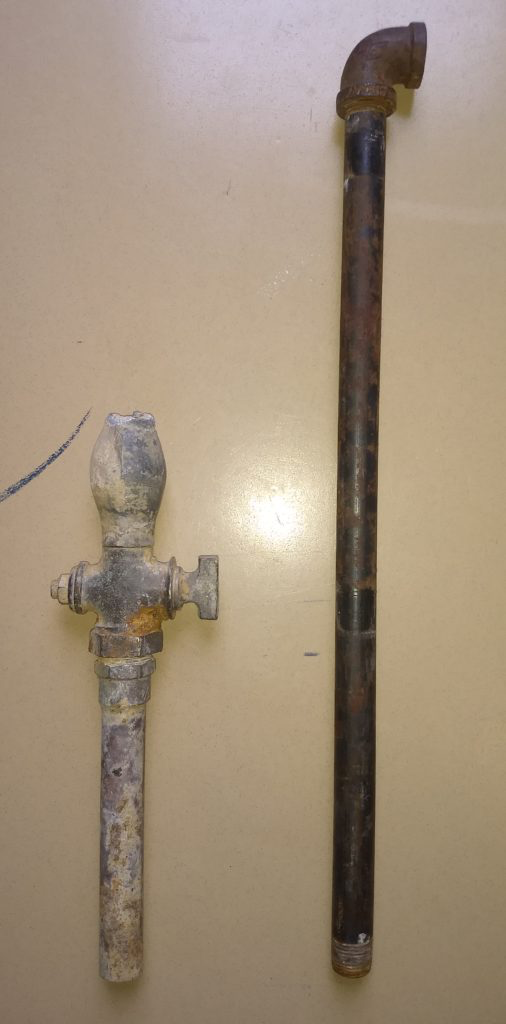
The book begins in the lively city of Atlanta in the 19th century where an American born Chinese woman, Jo Kuan, lives with her uncle, Old Gin, as they strive financially to get through each week. Jo and her uncle live in the basement — a former abolitionist’s hidden tunnels — underneath a newspaper office where Jo eavesdrops on the current tenants’ conversations through a secret pipe. By day, Jo works as a hat maker with a reputation for her beautiful knot work. Outwardly, Jo epitomizes propriety, but inwardly, desperately trying to keep her opinions to herself, she struggles as many modern women of color do with not being able to share her true thoughts and opinions openly, in this instance, opinions such as suitable color options for fabrics and the aesthetics of various hat designs on different customers. Since Jo can’t hold her tongue, eventually she’s fired, a subtle reminder by the white store owner that women of color are not part of society but an accessory to be used to others’ advantage, and otherwise remain silent. Desperate for a job, Jo returns as a maid to a daughter in a family that had previously fired her without explanation.

As Jo listens through the pipe on the tenants conversations several floors above her, she begins to feel like she’s part of their family, growing closer to them through their frank discussions with each other, and forming an unrequited bond with the family’s son. One night, Jo hears that the newspaper is struggling and will not stay in business much longer if the subscription numbers don’t increase, sparking fear inside Jo who worries that the sale of the building could compromise her and Old Gin’s living arrangements.

Jo decides to start an advice column for the newspaper called Dear Miss Sweetie, submitting her work anonymously through the mail slot in the front door of the house when no one is around. By adopting the persona of Miss Sweetie, Jo can openly express her opinions about gender and race inequality because readers of the paper assume she is a member of high society.

Unlike Miss Sweetie, we people of color can’t hide our skin or other features — not at work and not out in the world. Rather, we find ourselves covering who we are to fit the American standard of the model minority. Be the quiet and successful Asian man. Be the submissive and subdued Asian woman. Be the polite and non-aggressive black woman. Be the intelligent and non-threatening black man. The list goes on. People of color will also correct their speech patterns to cater to the white majority to sound more intelligent or lighten our skins to increase our proximity to whiteness. In The Downstairs Girl, Jo writes like an older white woman to gain the support of her readers, then uses it to advocate for racial and gender equality, and since controversy sells papers, subscription sales boom.

Even though this book takes place in the 19th century, I felt Jo’s pain as if it were my own, navigating the world as someone does who has been pushed aside for her heritage, all the while trying to find my own voice. The story gently guides the reader to feel the battles and the blows, both metaphorical and physical, that Asian Americans have faced since emigration began in the mid-19th century, recounting the hardships of the Asian immigration story in this country in a way that is both enlightening and uplifting.

I applaud Lee’s ability to write an engaging story intertwined with the sensitive topic of race which encourages the readers to reflect on the similarities of then and now. The journey of self-discovery can be a lonely one, and is something not just women of color walk, but all people at different stages of their lives. Lee’s story made my own journey less difficult by knowing others have walked it before and will walk it again, by knowing some like Jo, the protagonist of the story, and Lee, its writer, have not only survived but thrived.

The Downstairs Girl is a great read, both for the story and the history, and the insights will stay with you long after you’ve turned the last page.

Corinna Wang is an environmental engineer and former Peace Corps volunteer. Having built her share of latrines in Panama for people who didn’t have access to improved sanitation, she understands the importance of diversity, equity and inclusion.

Posted in Uncategorized | Tagged , , , , , , , , | 10 Comments

Happy Mother’s Day!

© pam lazos

Jesus said mother I couldn’t stay another day longer

He flies right by and leaves a kiss upon her face

While the Angels are singing his praises in a blaze of glory

Mary stays behind and starts cleaning up the place

Nancy Griffin – “Mary”

My own mother has been gone for six years now and there’s hardly a day that I don’t miss her or wish for her wise counsel. Mothers are the original influencers, our first supporters, our original protectors, our guiding lights, the ones standing guard between us and the rest of the world, giving us a little push when we need it and saying, “you got this.”

Being a mom means showing up, no matter if you’re busy, or tired, or facing a crisis of your own; of being overworked and underpaid; of working behind the scenes or out in front on behalf of your kids; of taking crap from those same offspring when you don’t deserve it; of experiencing a joy you never realized you were capable of when you see the world through their eyes; of leaving it all on the field of parenthood when what you really wanted was to hold a little bit back for yourself for later. Being a mom is not a job for sissies. It means staying behind and cleaning up the place.

So give your mother a big fat hug and kiss if she’s still around and if she’s not send her a message of love across the ethers. She’ll get it. We are all from the same power grid, just little sources of energy running around in human suits, and when the suit goes away, the energy remains, neither created nor destroyed.

I’ll leave you with this touching song by Patty Griffin, knowing that our universe is one of duality and for every dark, sad bit there’s always going to be a light, happy one to balance it out, so to the extent you can manage, remain in light.

Happy Mother’s Day to all you fabulous mothers out there. May your day be filled with an abundance of peace and positivity.

Thanks for reading.

pam lazos 5.9.21

Posted in Uncategorized | Tagged , , , | 26 Comments