Doers or Deciders

Doers or Deciders?

“Even more than we are doers, we are deciders.” Ralph Blume, The Book of Runes

When I was a kid, my parents and my dad’s best friend and his wife, decided it would be a good idea to buy a business together, a deli at the Jersey shore in Sea Isle City. The husbands would continue with their own jobs – my uncle ran a deli at home and my father was a salesman – and come down on weekends while the wives and kids ran the store during the week. We kids were ecstatic because it meant a summer at the shore and my mom and my aunt (not my real aunt, but a term of respect) were a bit giddy about being in charge. It was going to be amazing.

And then, of course, it wasn’t because no one took the time to look at how two strong-willed woman who were both proficient at raising families were going to decide how to share power. Rather than just running off and buying the place (doing), a frank discussion about who would be in charge (deciding) before things got rolling would have helped this enterprise immensely.

We are the sum total of the decisions we make.  Every minute of every day we are creating ourselves and our futures. We can always do, do, do, and be met with some likely mixture of success and failure, or we can stop for a moment, take a few breaths and ponder the situation – for however long it takes – before deciding what to do next. Sometimes it takes months or even years if it’s a big change, sometimes it’s an instant, but taking the time to decide what’s best for you increases your chances of success. No matter what obstacles are in your path, your gut knows the best way forward. Let your intuition be your guide to decide.


Posted in health, memoir, mental health, Sustainable Living, Uncategorized | Tagged , , , , , , , | 17 Comments

Compost

Compost

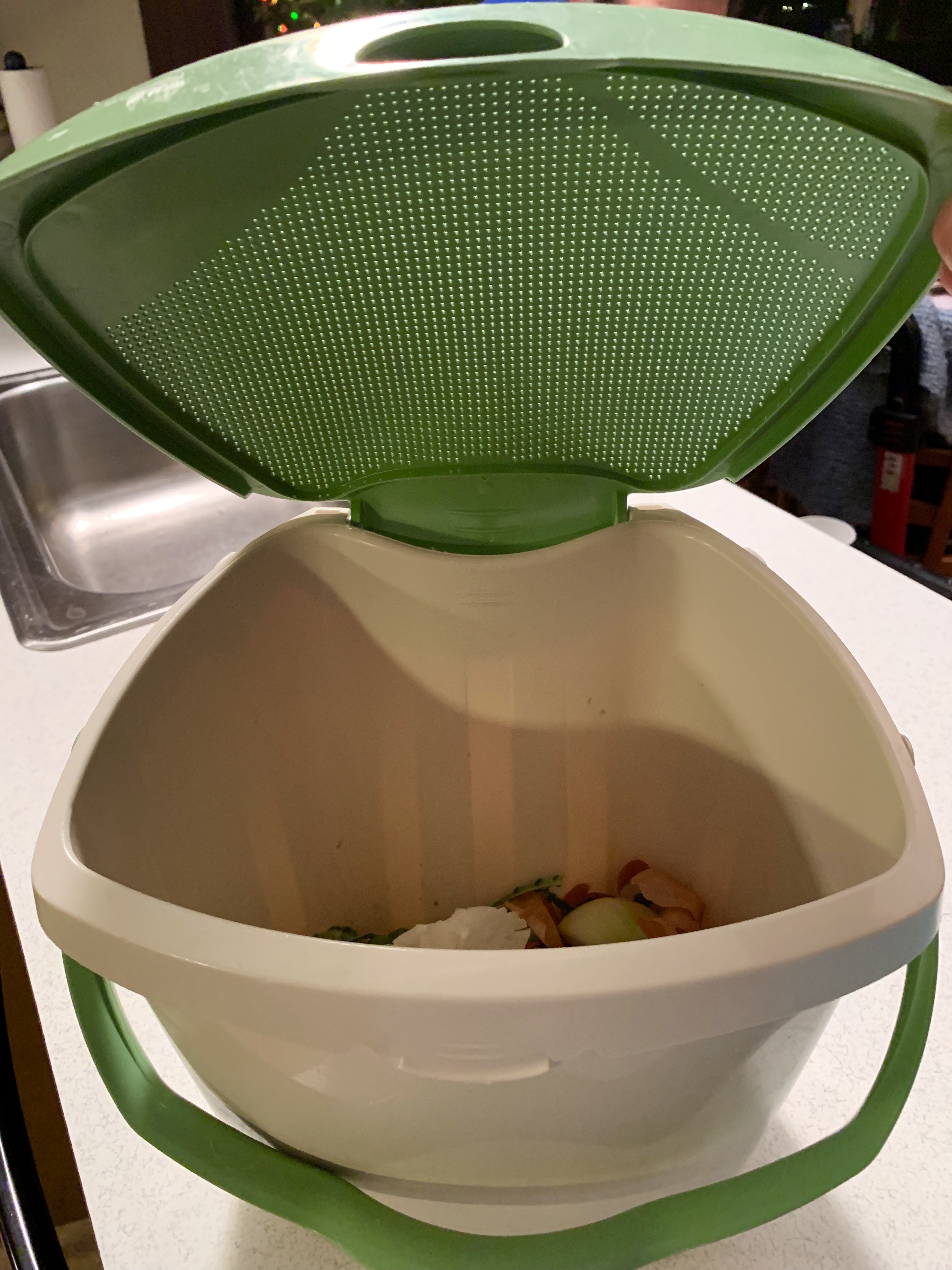
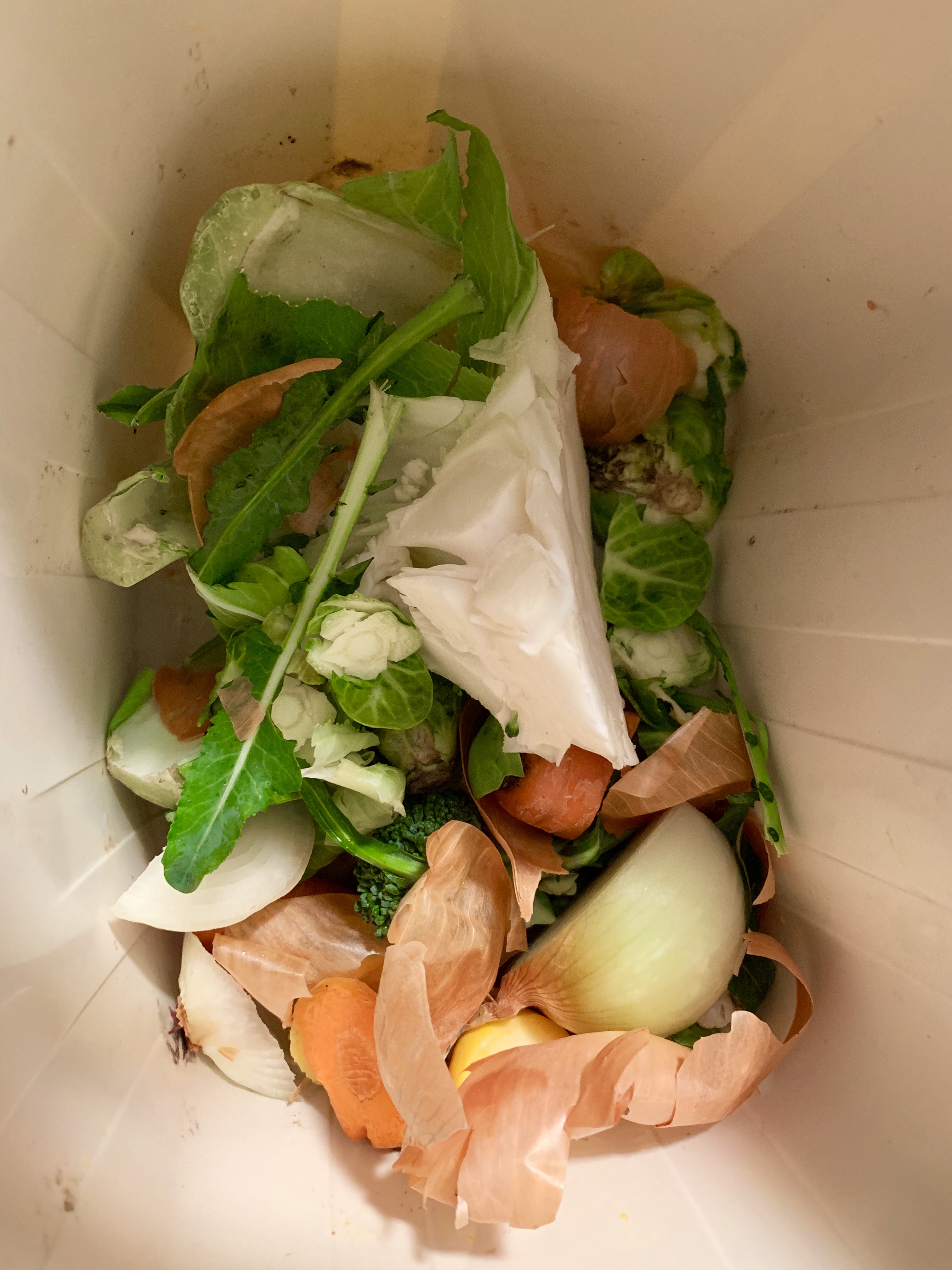
Composting is one of the easiest, most sustainable activities going. Leftovers from everything you chop like salad, fruit and vegetables, or the non-meat, non-grain discards from the dinner plates go into the bin I keep under the sink and, when it’s full, I dump them in the big bin out back.  I started small, but results were lackluster so I amped it up with a fancy pants model, a six-tiered design that allowed me to disassemble it, turn the soil, and put it back together with ease except — despite hundreds of trips to the compost bin — I’d never turned a clump.  I’ve been composting with fervor for years, but the truth is, I’m not terribly good at it. 

Embarrassed by my incompetence, I decided, just for kicks, to get out there with a shovel since none of the kids could be bribed.  To combat the creepy flying things — winged demons that rise up every time I opened the lid to deposit my treasures — I donned my husband’s beekeeper hood.  After the first turn of the soil, I was amazed.  Beneath the still recognizable orange peels and pineapple rinds, the discarded zucchini ends and apple cores, was none other than black gold.  Beautiful, black, rich and fertile soil that one day I might spread on my flower garden.  

That was about five years ago.  I still haven’t used the soil even though I compost every day.  It’s strange, but the pile in the bin always stays about the same height.  Maybe there’s a sinkhole underneath and our table scraps are going to feed Middle-Earth dwellers, or maybe Mama Nature is just messing with me, I don’t know.  But I do know this.  I’ve kept hundreds of pounds of food waste out of the landfill so even if I never put a thimble full of that gorgeous soil in my garden, I’ve still done something fabulous for the planet.  

Today is Day 3 of the A to Z blogapalooza.  Are we having fun yet?

pamlazos 4.3.19

Posted in compost, conservation, Sustainability | Tagged , , , , , , , , | 36 Comments

Buy Chemical-Free Cosmetics

Buy Chemical-Free Products

So it’s Day 2 of the A to Z blogging challenge and that means the letter B.  Why do we need to buy chemical-free products?  Because we deserve healthy bodies and healthy lives and adding a bunch of heavy metals and pesticides to our daily diets doesn’t do anyone much good.  Need convincing?  Read on:


Blame it on Cleopatra

Four thousand years ago, ancient Egyptian men and women painted their eyes using malachite, a copper ore with a rich green color, that made the most delicious shade of eyeshadow.  They used galena, a blue-grey mineral form of lead sulfide mixed with soot to form Kohl, a black eye-liner.  They washed, dried, crushed and sometimes burned red ochre, a pigment found in clay, a result of hydrated iron oxide, to create rouge, and they made henna, a dye created from the henna shrub’s leaves and shoots, to color their hair and nails.  

Given the choice, most people would not ingest lead, copper, and other hazardous substances as part of their daily beauty regime.   Chemicals such as lead acetate (lead sugar), chromium, hydrogenated cottonseed oil, and thimerosal (a mercury-based preservative) used in modern lipstick production all contain trace amounts of naturally occurring metals which means that your lipstick may come with a side of metal not found on the ingredients list.  

There are chemicals to consider as well.  Lipstick contains pigments from color additives such as D&C Red 7 Calcium Lake which is formulated by reacting the dye with salts and precipitants such as calcium or sodium to give the lipstick stability.  You want pink?  Mix in some titanium dioxide, shown to be a carcinogen in laboratory rats when in dust form.  Matte finishes use silica which can can lead to lung and autoimmune diseases if fine crystals are inhaled.  

What’s the big deal, you ask, if it’s such a little bit? Well, if a woman ingests an average of four pounds of lipstick over the course of her lifetime, those trace amounts can add up to more significant quantities per item, and since most women use approximately 12 beauty products a day (teenaged girls use about 14 and men about 6), we are no longer talking about trace amounts.  After a lifetime of ingesting, absorbing and inhaling all these harmful metals and chemicals, we have become walking pharmaceutical labs. 

As consumers we still lack adequate protections.  The Federal Food, Drug, and Cosmetic Act was first signed into law in 1938 after over a hundred patients died from using sulfanilamide, an antibacterial containing diethylene glycol, a sweet, and poisonous, solvent.  Congress needed to act to address the crisis so they gave the job to the FDA, but in actuality, the FDA doesn’t have authority to recall a product unless it’s been misbranded or adulterated.  At best, this results in self-policing by the cosmetics industry, but keep in mind that a law without enforcement authority doesn’t scare anyone.  Further, as the watchdog for cosmetic safety, the FDA has only banned eleven out of over 12,000 products since 1938.  By contrast, the European Union has banned over 1,320. 

Perhaps the most distressing news is that cosmetic products do not undergo a rigorous scientific review before they are rolled out to the public.

In general, chemicals are regulated by the U.S. Environmental Protection Agency (EPA) when used as a pesticide, preservative, fungicide, or biocide in plastics, fabrics, flooring and other products, and by the FDA when used as a food or drug additive.  Registration of a product requires a manufacturer to review that product for efficacy so EPA can review the information and determine whether the manufacturer’s claims are true, but EPA doesn’t regulate foods or drugs, the FDA does, so when a chemical is used in products like deodorants or hand soaps, or added to processed foods, and not added to the product itself for the sake of protecting and preserving that product as it is in flooring, bedding, utensils, and the like, it is no longer considered a pesticide.  The FDA regulations don’t require registration and efficacy studies the way EPA regulations do.  Only after a product is on the market and proven unsafe will the FDA ask for a voluntary recall.  So I ask you, why do harmful compounds require registration when incorporated into inert products, but when used in our cosmetics and toothpastes no registration is required?  Or to put it another way, why do products need more safeguarding than people? 

The global sale of cosmetics tipped the scales at $532 billion in 2017 with sales projected to increase well into the next decade.  With such a lucrative market at stake, manufacturers should want to invest in healthful products that will assure their clientele stay alive long enough to keep purchasing them.  If Cleopatra had the benefit of the science behind her beauty regime, she may have gone a little easier on the eye-liner.  The good news is, in 2017, the global organic personal care market reached 12.19 billion and is projected to keep growing. 

Ladies, you have the power of the purse.  You owe it to yourselves and  future generations to use it by purchasing products committed to consumer safety.  Let’s get the lead out. 

Link to drama free cosmetics: www.ewg.org/skindeep

pamlazos 4.2.19

Posted in Beauty, consumer safety, cosmetics, health | Tagged , , , , , , , , , , , , | 34 Comments

Awareness, Meet Action

Awareness, Meet Action

Perhaps you saw the story of 16-year old Greta Thunberg who last year took to the steps of parliament in her native Sweden to protest the fact that the Swedish government wasn’t doing enough to combat climate change.  The then a 15-year old understood what was at stake for our world and the consequences of our political leaders’ inaction.  She may have been the only one at the party last year, but this time around, thanks to Greta’s efforts and some timely publicity, the party looked a whole lot different.  Tens of thousands of kids around the world skipped school on March 15, 2019, to take place in the global climate strike.

Greta didn’t know it when she started all this, but she was born to be a leader, someone who has an awareness of an issue and takes action.  She didn’t ask someone else to do it for her.  She saw the goal of raising awareness for an issue that’s going to take all of us out at the knees if we don’t work together to solve it, and she moved the issue forward in a manner that fostered cooperation and collaborative efforts.  And when awareness meets action, wonderful things can happen.

Thank you, Greta.  One day, the children of the world will all breathe easier because you took a stand.

It’s day one and the 10th anniversary of the AtoZ Blogfest, 26 stories, one for every letter of  the alphabet, throughout the month of April.  My blogging theme, like my blog, is Where Eco Meets Life.  That was A.  See you tomorrow.


pamlazos 4.1.19

Posted in Uncategorized | 19 Comments

What’s in a Name?

[photo by Arianna Rich]

What’s in a Name?

What’s in a name? That which we call a rose,
By any other word would smell as sweet;

So says Juliet in Shakespeare’s Romeo and Juliet, but the alternative reality is that language is what we use to shape the world and today, names seem to mean everything.

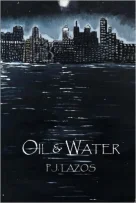
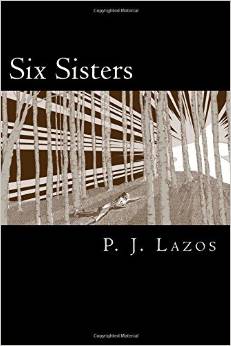
That’s why I’m undertaking the somewhat arduous task of rebranding myself and my books.  We can all wave a fond farewell to the P. J. Lazos pen name as it fades off into the sunset while Pam Lazos enters stage left.  Perhaps now I will no longer have to explain to people how to find my books.

Should I have listened to the marketing advice a friend gave me years ago and simply listed one name across all media?  In hindsight, yes.  Then I wouldn’t be undertaking this rebranding exercise.  My reasoning at the time was that men sell more books than women — by a lot —  so maybe if I obfuscated the fact that I was a woman I could sell more books.  But the thing with that is, across all my media platforms I was still a woman, presenting as a woman, commenting under my own name, and just being me.  Lesson learned.  Nothing to see here. Time to move on.

And so I am.  I’ve changed my nom de plume on Facebook and am working on my Amazon Author’s Page.  Eventually, I’ll change the book covers although that will take a bit longer.  In the meantime, thanks for sticking by me in all my incarnations.  I’ll do my best to be worthy.

pamlazos 3.31.19

Posted in rebranding | Tagged , , , , , , , , , , , , | 36 Comments

WATWB – Watch Out World!

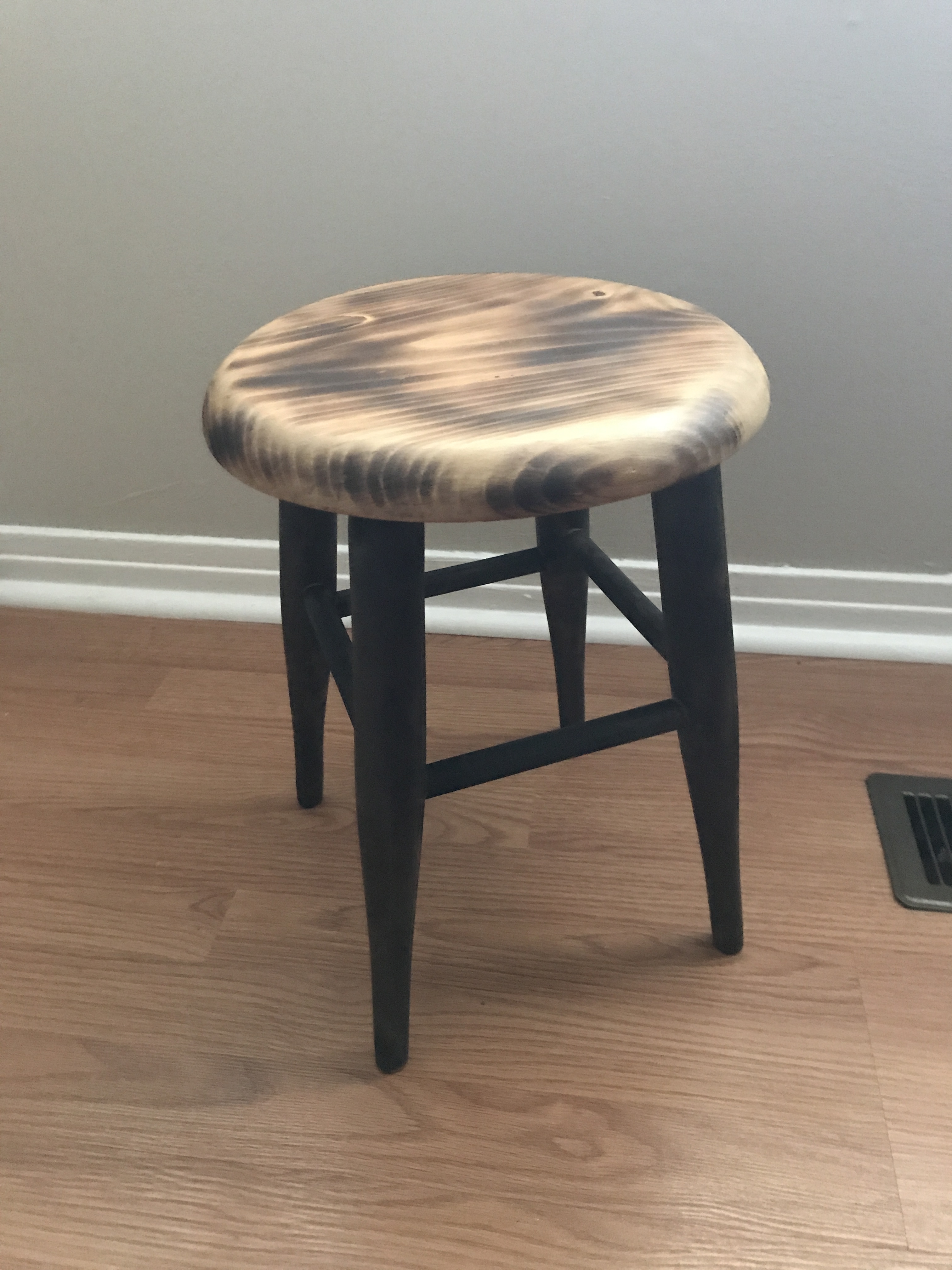
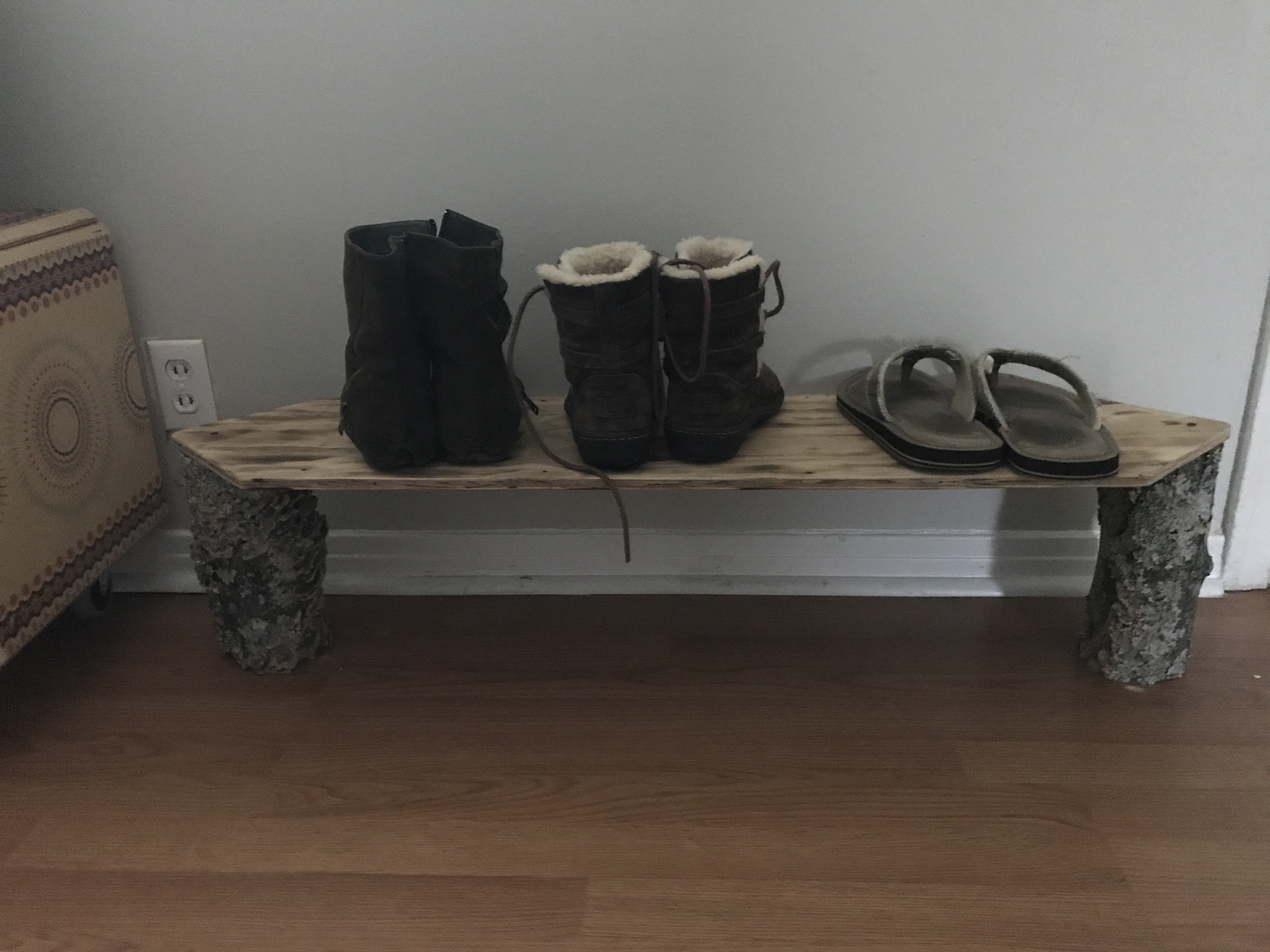
Because the news this month was all too positive to choose just one story, I chose three.  The first is the intersection of upcycling, a concept that my sister and her husband embrace with enthusiasm as they outfit their home and ponder a business plan (see below photos), and fashion.

[photos by Stacey Lazos]

Upcycling takes a product has outlived its useful life and gives it a new purpose or identity.  It’s the epitome of of sustainability.  Where do fashion and upcycling meet, you might ask?  Well look here and read on:

Surveys by Global Fashion Agenda, an international platform of professionals trying to prod the industry to turn sustainable, and the Boston Consulting Group show that the percentage of fashion companies for whom sustainability targets are a “guiding principle” in most decisions has gone up from 34 percent in 2017 to 52 percent in 2018. By addressing the environmental and societal fallout of its current practices, the fashion industry could save the global economy $160 billion each year — that’s more than the gross domestic product of the vast majority of the world’s countries.

This story is in Ozy’s Landfill to Luxury piece that talks about how to cash in on the $160 billion/year upcycling industry. Who knew the fashion industry could be so progressive?

Truly inspiring, yes, but wait, here’s another one on how the youth of the world are saying no, nee, ei, nein, nej, geen, sem problemas, acun probleme, and nyet (well, maybe not nyet, at least not yet) to ignoring climate change issues.

In NYC, Copenhagen, Helsinki, Milan, Dublin, Berlin, Cape Town, Barcelona, New Zealand, Hong Kong, New Dehli, Canada, Lisbon, and more, kids cut school on March 15 in a global strike to combat climate change.  In a testament to how the smallest among us can do big and wonderful things to change the world, here’s Greta Thunberg, a 16-year old Swede who, with a singular act of protest alone on the parliament steps last year, turned the climate change issue into a worldwide youth movement this year.   A little child shall lead them.  If that doesn’t choke you up I don’t know what will.

Here’s one more just for kicks and to show that once in awhile, the government is actually on our side:

The FTC sued four companies for what amounts to harassment of us consumers with phones.  Robocalls be gone!

Want to join the WATWB party?  This month’s cohosts are: Shilpa Garg Sylvia McGrath , Belinda WitzenHausen, Dan Antion, Damyanti Biswas.

Go ahead and add them to your post.  And once again, here are the guidelines for #WATWB:

1. Keep your post to Below 500 words, as much as possible.

2. Link to a human news story on your blog, one that shows love, humanity, and brotherhood. Paste in an excerpt and tell us why it touched you. The Link is important, because it actually makes us look through news to find the positive ones to post.
3. No story is too big or small, as long as it Goes Beyond religion and politics, into the core of humanity.
4. Place the WE ARE THE WORLD badge or banner on your Post and your Sidebar. Some of you have already done so, this is just a gentle reminder for the others.
5. Help us spread the word on social media. Feel free to tweet, share using the #WATWB hastag to help us trend!

Tweets, Facebook shares, Pins and Instagram using the #WATWB hashtag through the month most welcome. We’ll try and follow and share all those who post on the #WATWB hashtag, and we encourage you to do the same.

Have your followers click here to enter their link and join us! Bigger the #WATWB group each month, more the joy!

pjlazos 3.29.19

Posted in #WATWB, environmental conservation, saving the world, student protests, Uncategorized, upcycle, youth movement | Tagged , , , , , , , , , , | 22 Comments

World Water Day

WORLD WATER DAY

Today, March 22, is World Water Day.

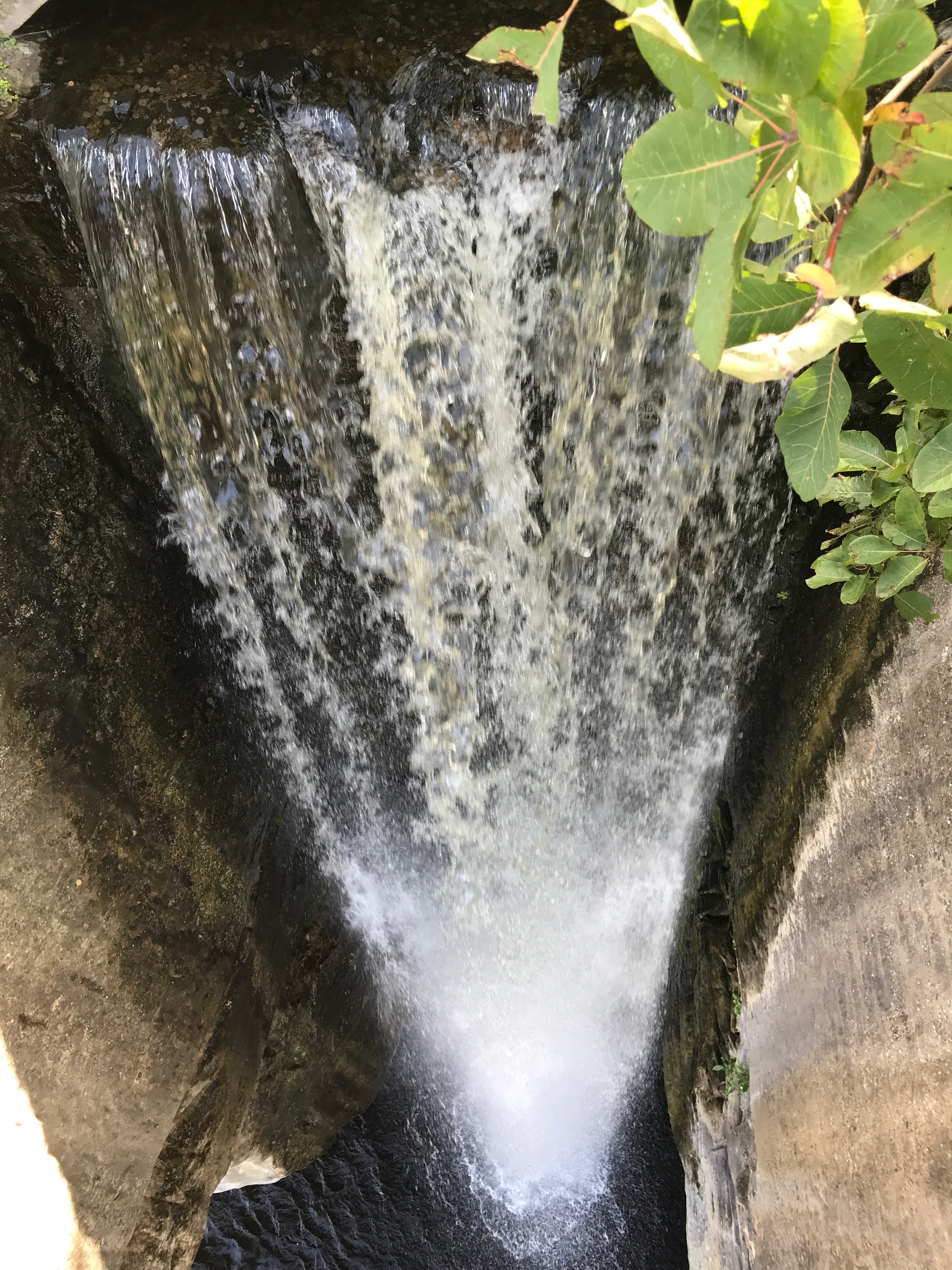
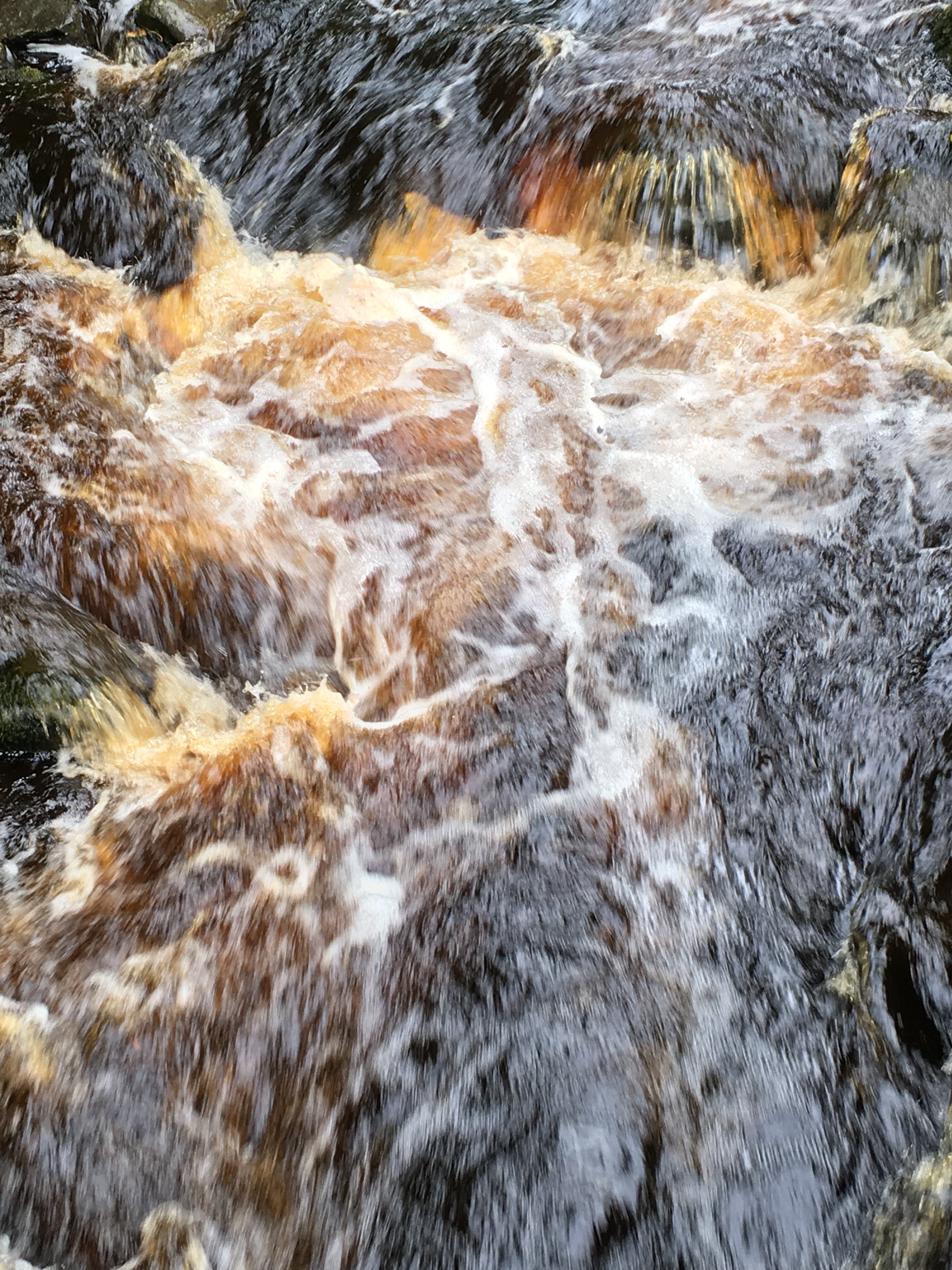
[photo by Stacey Lazos]

Not to be a downer, but water statistics suck.

By 2050 we will have more plastic in the ocean than fish which is going to be pretty hard on the wildlife that live there who will be forced to find table scraps elsewhere.

Some won’t have a choice like the almost 2 billion people who don’t have access to safe drinking water or sanitation and hygiene.

The amount of fresh water will continue to decline as more and more is degraded through manufacturing effluent or given over to wasteful agricultural practices…

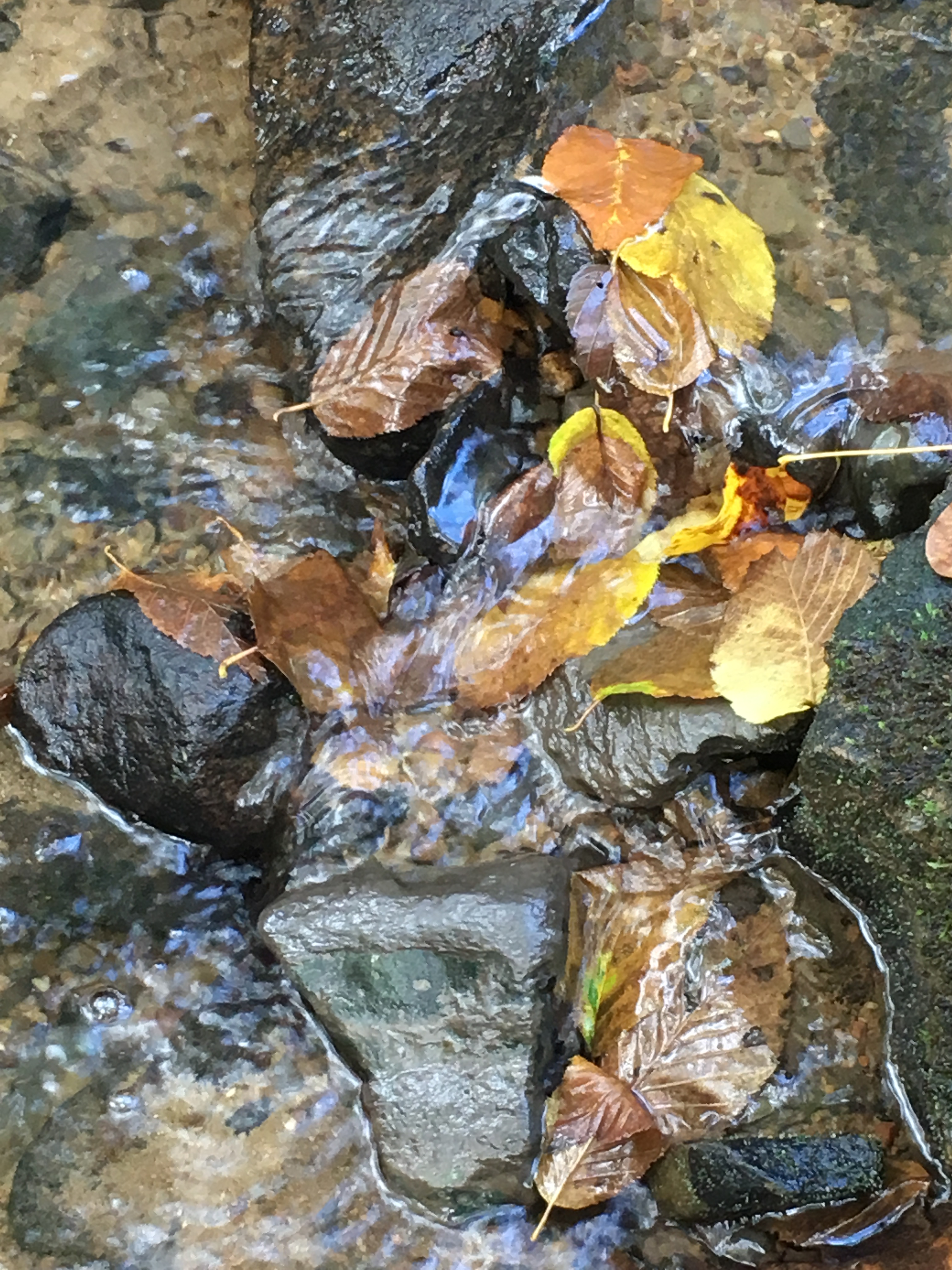
…reaching even the remotest of streams…

…while pesticides, herbicides and other cides, that we think we need to survive will degrade the integrity of the rest.

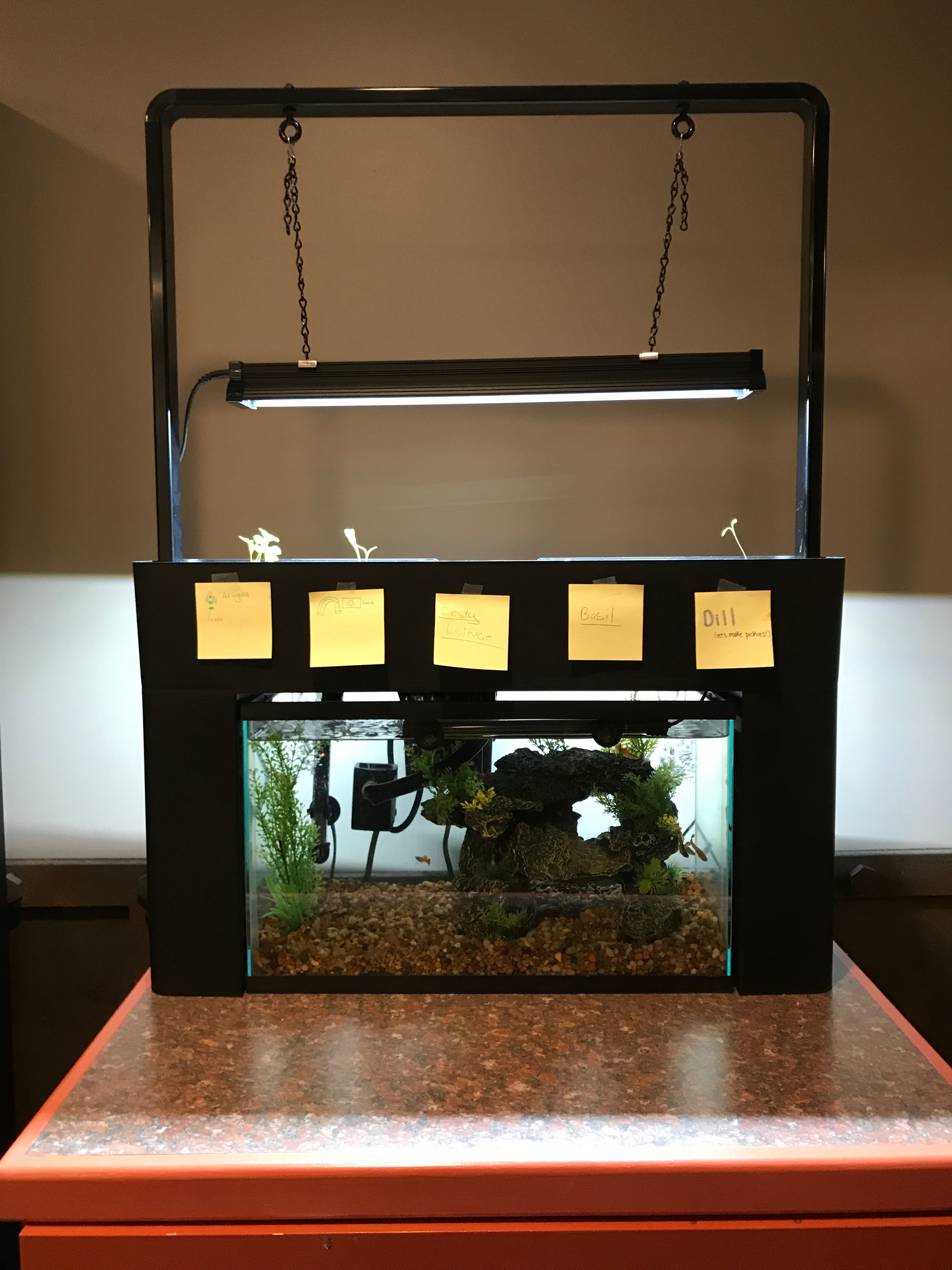
Before we are forced, perhaps it’s time to look for alternative, sustainable ways to grow food that aren’t so hard on the planet.

And maybe step back and say a prayer of gratitude for water in all its incarnations.

Let’s protect what we ourselves need to survive.

Want to  make a splash?

Be like water.  Be everywhere.  Give freely.  Accept all without judgment.  Stand with water, the pure, clear, clean and unadulterated version.  Let’s make water security a right for all people.  We can’t be without it.

pjlazos 3.22.19

Posted in agriculture, aquaponics, insecticides, Uncategorized, WASH, water, water conservation, water security | Tagged , , , , , , , , , | 33 Comments

Survival of the Fittest

Survival of the Fittest

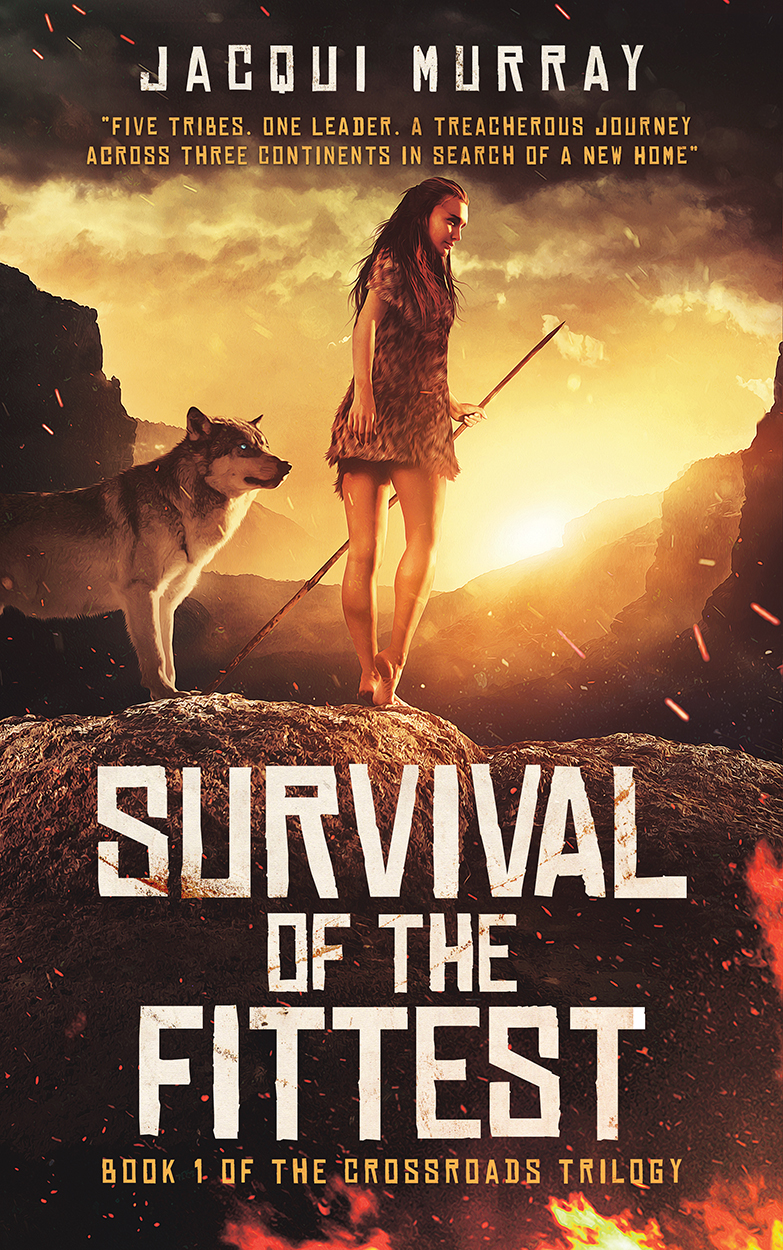
Blogging friend, Jacqui Murray, has written a new prehistoric fiction novel, Survival of the FittestBook 1 in the Crossroads series, part of her Man vs. Nature saga.  

Synopsis:

Chased by a ruthless and powerful enemy, Xhosa flees with her People, leaving behind a certain life in her African homeland to search for an unknown future. She leads her People on a grueling journey through unknown and dangerous lands by an escape path laid out years before by her father as a final desperate means to survival. She is joined by other homeless tribes–from Indonesia, China, South Africa, East Africa, and the Levant—all similarly forced by timeless events to find new lives. As they struggle to overcome treachery, lies, danger, tragedy, hidden secrets, and Nature herself, Xhosa must face the reality that this enemy doesn’t want her People’s land. He wants to destroy her.

Survival of the Fittest is Available at: Kindle US Kindle UK Kindle CA Kindle AU
A litte bit about Jacqui:

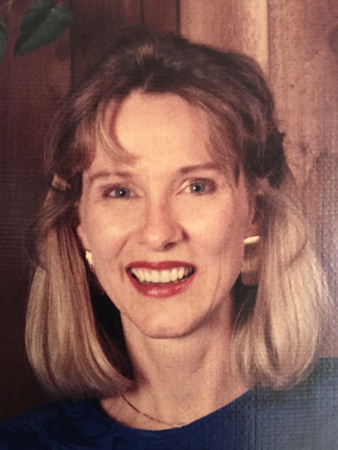
Jacqui Murray is the author of the popular Building a Midshipman, the story of her daughter’s journey from high school to United States Naval Academy, the Rowe-Delamagente thrillers, and the Man vs. Nature saga. She is also the author/editor of over a hundred books on integrating tech into education, adjunct professor of technology in education, blog webmaster, an Amazon Vine Voice,  a columnist for TeachHUB and NEA Today, and a freelance journalist on tech ed topics. Her next prehistoric fiction, Quest for Home, is due out in Summer 2019. You can find her tech ed books at her publisher’s website, Structured Learning


If you want to reach Jacqui, here are her Social Media contacts:

http://twitter.com/worddreams

http://pinterest.com/askatechteacher

http://linkedin.com/in/jacquimurray

https://worddreams.wordpress.com

https://jacquimurray.net

Before you go, how about a taste of Survival of the Fittest.  

Chapter 1

Her foot throbbed. Blood dripped from a deep gash in her leg. At some point, Xhosa had scraped her palms raw while sliding across gravel but didn’t remember when, nor did it matter. Arms pumping, heart thundering, she flew forward. When her breath went from pants to wheezing gasps, she lunged to a stop, hands pressed against her damp legs, waiting for her chest to stop heaving. She should rest but that was nothing but a passing thought, discarded as quickly as it arrived. Her mission was greater than exhaustion or pain or personal comfort.

She started again, sprinting as though chased, aching fingers wrapped around her spear. The bellows of the imaginary enemy—Big Heads this time—filled the air like an acrid stench. She flung her spear over her shoulder, aiming from memory. A thunk and it hit the tree, a stand-in for the enemy. With a growl, she pivoted to defend her People.

Which would never happen. Females weren’t warriors.

Feet spread, mouth set in a tight line, she launched her last spear, skewering an imaginary assailant, and was off again, feet light, her abundance of ebony hair streaming behind her like smoke. A scorpion crunched beneath her hardened foot. Something moved in the corner of her vision and she hurled a throwing stone, smiling as a hare toppled over. Nightshade called her reactions those of Leopard.

But that didn’t matter. Females didn’t become hunters either.

With a lurch, she gulped in the parched air. The lush green grass had long since given way to brittle stalks and desiccated scrub. Sun’s heat drove everything alive underground, underwater, or over the horizon. The males caught her attention across the field, each with a spear and warclub. Today’s hunt would be the last until the rain—and the herds—returned.

“Why haven’t they left?”

She kicked a rock and winced as pain shot through her foot. Head down, eyes shut against the memories. Even after all this time, the chilling screams still rang in her ears…


The People’s warriors had been away hunting when the assault occurred. Xhosa’s mother pushed her young daughter into a reed bed and stormed toward the invaders but too late to save the life of her young son. The killer, an Other, laughed at the enraged female armed only with a cutter. When she sliced his cheek open, the gash so deep his black teeth showed, his laughter became fury. He swung his club with such force her mother crumpled instantly, her head a shattered melon.

From the safety of the pond, Xhosa memorized the killer—nose hooked awkwardly from some earlier injury, eyes dark pools of cruelty. It was then, at least in spirit, she became a warrior. Nothing like this must ever happen again.

When her father, the People’s Leader, arrived that night with his warriors, he was greeted by the devastating scene of blood-soaked ground covered by mangled bodies, already chewed by scavengers. A dry-eyed Xhosa told him how marauders had massacred every subadult, female, and child they could find, including her father’s pairmate. Xhosa communicated this with the usual grunts, guttural sounds, hand signals, facial expressions, hisses, and chirps. The only vocalizations were call signs to identify the group members.

“If I knew how to fight, Father, Mother would be alive.” Her voice held no anger, just determination.

The tribe she described had arrived a Moon ago, drawn by the area’s rich fruit trees, large ponds, lush grazing, and bluffs with a view as far as could be traveled in a day. No other area offered such a wealth of resources. The People’s scouts had seen these Others but allowed them to forage, not knowing their goal was to destroy the People.

Her father’s body raged but his hands, when they moved, were calm.  “We will avenge our losses, daughter.”

The next morning, Xhosa’s father ordered the hunters to stay behind, protect the People. He and the warriors snuck into the enemy camp before Sun awoke and slaughtered the females and children before anyone could launch a defense. The males were pinned to the ground with stakes driven through their thighs and hands. The People cut deep wounds into their bodies and left, the blood scent calling all scavengers.

When Xhosa asked if the one with the slashed cheek had died, her father motioned, “He escaped, alone. He will not survive.”

Word spread of the savagery and no one ever again attacked the People, not their camp, their warriors, or their hunters.

While peace prevailed, Xhosa grew into a powerful but odd-looking female. Her hair was too shiny, hips too round, waist too narrow beneath breasts bigger than necessary to feed babies. Her legs were slender rather than sturdy and so long, they made her taller than every male. The fact that she could outrun even the hunters while heaving her spear and hitting whatever she aimed for didn’t matter. Females weren’t required to run that fast. Nightshade, though, didn’t care about any of that. He claimed they would pairmate, as her father wished, when he became the People’s Leader.

Until then, all of her time was spent practicing the warrior skills no one would allow her to use.

One day, she confronted her father. “I can wield a warclub one-handed and throw a spear hard enough to kill. If I were male, you would make me a warrior.”

He smiled. “You are like a son to me, Daughter. I see your confidence and boldness. If I don’t teach you, I fear I will lose you.”

He looked away, the smile long gone from his lips. “Either you or Nightshade must lead when I can’t.”

Under her father’s tutelage, she and Nightshade learned the nuances of sparring, battling, chasing, defending, and assaulting with the shared goal that never would the People succumb to an enemy. Every one of Xhosa’s spear throws destroyed the one who killed her mother. Every swing of her warclub smashed his head as he had her mother’s. Never again would she stand by, impotent, while her world collapsed. She perfected the skills of knapping cutters and sharpening spears, and became expert at finding animal trace in bent twigs, crushed grass, and by listening to their subtle calls. She could walk without leaving tracks and match nature’s sounds well enough to be invisible.

A Moon ago, as Xhosa practiced her scouting, she came upon a lone warrior kneeling by a waterhole. His back was to her, skeletal and gaunt, his warclub chipped, but menace oozed from him like stench from dung. She melted into the redolent sedge grasses, feet sinking into the squishy mud, and observed.

His head hair was sprinkled with grey. A hooked nose canted precariously, poorly healed from a fracas he won but his nose lost. His curled lips revealed cracked and missing teeth. A cut on his upper arm festered with pus and maggots. Fever dimpled his forehead with sweat. He crouched to drink but no amount of water would appease that thirst.

What gave him away was the wide ragged scar left from the slash of her mother’s cutter.

Xhosa trembled with rage, fearing he would see the reeds shake, biting her lip until it bled to stop from howling. It hardly seemed fair to slay a dying male but fairness was not part of her plan today.

Only revenge.

A check of her surroundings indicated he traveled alone. Not that it mattered. If she must trade her life for his, so be it.

But she didn’t intend to die.

The exhausted warrior splashed muddy water on his grimy head, hands slow, shoulders round with fatigue, oblivious to his impending death. After a quiet breath, she stepped from the sedge, spear in one hand and a large rock in the other. Exposed, arms ready but hanging, she approached. If he turned, he would see her. She tested for dry twigs and brittle grass before committing each foot. It surprised her he ignored the silence of the insects. His wounds must distract him. By the time hair raised on his neck, it was too late. He pivoted as she swung, powered by fury over her mother’s death, her father’s agony, and her own loss. Her warclub smashed into his temple with a soggy thud. Recognition flared moments before life left.

“You die too quickly!” she screamed and hit him over and over, collapsing his skull and spewing gore over her body. “I wanted you to suffer as I did!”

Her body was numb as she kicked him into the pond, feeling not joy for his death, relief that her mother was avenged, or upset at the execution of an unarmed Other. She cleaned the gore from her warclub and left. No one would know she had been blooded but the truth filled her with power.

She was now a warrior.

When she returned to home base, Nightshade waited. Something flashed through his eyes as though for the first time, he saw her as a warrior. His chiseled face, outlined by dense blue-black hair, lit up. The corners of his full lips twitched under the broad flat nose. The finger-thick white scar emblazoned against his smooth forehead, a symbol of his courage surviving Sabertooth’s claws, pulsed. Female eyes watched him, wishing he would look at them as he did Xhosa but he barely noticed.

The next day, odd Others with long legs, skinny chests, and oversized heads arrived. The People’s scouts confronted them but they simply watched the scouts, spears down, and then trotted away, backs to the scouts. That night, for the first time, Xhosa’s father taught her and Nightshade the lessons of leading.

“Managing the lives of the People is more than winning battles. You must match individual skills to the People’s requirements be it as a warrior, hunter, scout, forager, child minder, Primary Female, or another.  All can do all jobs but one best suits each. The Leader must decide,” her father motioned.

As they finished, she asked the question she’d been thinking about all night. “Father, where do they come from?”

“They are called Big Heads,” which didn’t answer Xhosa’s question.

Nightshade motioned, “Do they want to trade females? Or children?”

Her father stared into the distance as though lost in some memory. His teeth ground together and his hands shook until he clamped them together.

He finally took a breath and motioned, “No, they don’t want mates. They want conflict.” He tilted his head forward. “Soon, we will be forced to stop them.”

Nightshade clenched his spear and his eyes glittered at the prospect of battle. It had been a long time since the People fought.

But the Big Heads vanished. Many of the People were relieved but Xhosa couldn’t shake the feeling that danger lurked only a long spear throw away. She found herself staring at the same spot her father had, thoughts blank, senses burning. At times, there was a movement or the glint of Sun off eyes, but mostly there was only the unnerving feeling of being watched. Each day felt one day closer to when the People’s time would end.

“When it does, I will confess to killing the Other. Anyone blooded must be allowed to be a warrior.”


Still here?  That’s great.  Jacqui invites you to answer the following question.  I don’t know that you’ll win a prize, but you’ll have to think a bit on our prehistoric ancestors for the answer.

How did Xhosa count?

 Xhosa and her People also had no need for counting. This is true even today with primitive people. Many count only to two (which is the method I’ve adopted for Xhosa). Beyond that, numbers may be described as handfuls or how much room they occupy in relation to something else. Counting people was unnecessary because all Xhosa had to do was sniff, find everyone’s scent, or notice whose she couldn’t find.

pjlazos 3.13.18

Posted in blog, book excerpt, book promotion, book release, fiction, Uncategorized, writers, writing | Tagged , , , , , , , , , , , , , , | 26 Comments

A New Year, A New Earth and Hamilton

A New Year,  A New Earth,  and Hamilton

I read Eckhart Tolle’s,  A New Earth,  Awakening to Your Life’s Purpose, way back in January,  meandering through it slowly as if I were on vacation, reading the same paragraphs over and over until the import of them sunk in:  live in the here and now; dispel negativity; take care of yourself; jettison the ego; and when you do all that, watch your world take flight.  I dog-eared so many pages that the depth of the book expanded half an inch.  I wrote thoughts and ideas down in my journal, tearing them down and reconstructing them, hoping to synthesize some of Tolle’s wisdom into my marrow.  

By February, I couldn’t recall a thing I’d read.  Did I absorb any of it?  Or despite my re-readings, never understood it? Could there be another theory, one that involves a message being so intrinsic to my own way of thinking that I can no longer distinguish it as something new?  I’m going with latter because I feel like less of a slacker, plus it gives me hope for humanity in general.  The truth is, we all feel this way, think this way, know this way, and want to be this way; we’ve just forgotten how.

Another month, and a series of late winter snows holds March in the crosshairs.  I’m swirling in long-range ideas, trying on decisions like cocktail dresses, ones that I hope will carry me through the next decade of my life.  I’m at a crossroads now, the daily demands of parenting all on long-term hold with the kids off to college, and me, eager to try a more creative approach to making a living, something that uses more of the skills I’ve acquired over the last several decades.  

This means leaving the security of the known to venture out into the unknown, a scary prospect for those who think we should have everything pinned down, managed, tidy, and socked away in neat little bundles that we can point to when someone asks an innocuous question like,  “so what is it you do?”  Altering course can be tough for us as adults since every new experience puts you on the bottom rung of the learning ladder, not a comfortable place for those who’ve earned the upper rungs with years of experience.  But eventually, even the most exciting job can become the same old thing and we grow tired, our hands work reduced to repetitive stress syndrome, leaving reinvention as the only option.  

For me, it’s not a question of should I choose a new path, but which one?  A little divine intervention would be dreamy right now because:  a) I have a lot of interests and it’s hard to choose, and b) who doesn’t love a good Deus ex Machina, although I doubt resolutions are still being delivered this way in the 21st century.  So I keep working, writing, thinking and feeling my way toward the next plot point that is my life, hoping for a thunderbolt of clarity to strike where all will be revealed for the next decade or so.

What can a person do while waiting for their revelation? I recommend a good soundtrack.  I’ve been listening to Hamilton pretty much non-stop since the new year began.  Other than a summer-long stint with the soundtrack to Hairspray some years back — my daughter and I in the car, belting out the tunes as I drove her to school — I don’t remember ever listening to a musical on full repeat.  Hamilton, written by Lin-Manuel Miranda, is a hip-hop odyssey unlike any other, historically accurate says my college history professor friend, an inspired and inspiring work of genius.  

Alexander Hamilton was the first Secretary of the Treasury, an immigrant and polymath who created a stunning career through force of will and left an indelible mark on our country with his financial policies, a visionary and self-starter who ingratiated himself at the highest levels of government, a man determined to leave his mark on history, an inspiration for anyone embarking on a journey into the unknown with a secret desire to make the world a better place.  Miranda spent a year rewriting the song My Shot, until he got it just right.  That kind of tenacity breeds amazing results and Hamilton the musical is the proof.  

Hamilton encourages action in the face of adversity.  Is it any wonder that in these precarious times Miranda’s show is such a success?  The world is balanced on the head of a pin:  climate change, mass extinctions, a global water crisis, a restructuring of the world order, governments in disarray and more bad news than any of us can take in anymore without imploding.  Can we ever return to simpler times?  I suspect not, but while we’re sifting through the morass, at least we’ll have good music.

I counsel my college-aged kids to be patient, follow the things that have heart and meaning, breathe into the stress, write down your hopes and concerns, don’t worry about long-term outcomes because the bigger pieces always seem to fall into place when you stay in the moment and pay close attention to the minutiae because it’s the little things that form the bedrock of any new endeavor.   After a time of slow growth and introspection, the road forward will suddenly open to you, paved, well-lit and ready for travel, your own new earth, waiting to be discovered.  

Time to go ahead and take a shot.

pjlazos 3.7.19


Posted in clean water, climate change, Hamilton, mass extinction, musical, water, writers | Tagged , , , , , , , , , , , , , , , , , | 29 Comments

WATWB – SDG’s

It’s that time again for the #WATWB, the last Friday of the month where you post a good news story (yes, I know I’m late and yes I have a good excuse — a house full of company for the weekend).  This month’s story is about SDGs.  For those of you who don’t know what SDGs are, they are the U.N.’s Sustainable Development Goals, a list of 17 categories of ways to make the world a friendlier, more sustainable, more egalitarian place.

The Trump administration doesn’t think much of them, but in a shout out to city sovereignty, “a growing number of American cities are showing that small can be big — and effective — in using the U.N’s sustainable development goals (SDGs) as a framework to monitor their own progress and shield themselves from the adverse effects of a fraying relationship between the U.S. and the U.N.”

From cleaning up the Bronx River to measuring food waste, kids are stepping up.  It’s really not that surprising since our kids are our the future.


Again, the rules:

1. Keep your post to Below 500 words, as much as possible.

2. Link to a human news story on your blog, one that shows love, humanity, and brotherhood. Paste in an excerpt and tell us why it touched you. The Link is important, because it actually makes us look through news to find the positive ones to post.

3. No story is too big or small, as long as it Goes Beyond religion and politics, into the core of humanity.

4. Place the WE ARE THE WORLD badge or banner on your Post and your Sidebar. Some of you have already done so, this is just a gentle reminder for the others.

5. Help us spread the word on social media. Feel free to tweet, share using the #WATWB hastag to help us trend!

Tweets, Facebook shares, Pins, Instagram, G+ shares using the #WATWB hashtag through the month most welcome. We’ll try and follow and share all those who post on the #WATWB hashtag, and we encourage you to do the same.

Have your followers click here to enter their link and join us! Bigger the #WATWB group each month, more the joy!

Happy February!

pjlazos 2.24.19

Posted in good news, SDGs, sustainable development goals, Uncategorized, WATWB, writers, writing | Tagged , , , , , , , | 12 Comments