Happy Saturday! I am going to get back on a more consistent schedule of posting here shortly, but for now, just wanted to let you know that my friend, Joel Burcat has a new book out, Reap the Wind, now available on Amazon. Joel loves an environmental thriller and in this one, he tackles the issue of climate change. Give it a go.
Here’s the synopsis:
“Josh Goldberg is a young lawyer from a prestigious Philadelphia law firm. His girlfriend Kiesha is unconscious and in the hospital. She’s eight months pregnant and may be giving birth to their baby. He’s in Houston and she’s in Cincinnati, one-thousand miles away. The worst climate change-induced hurricane of the century separates them and there are no flights for days. He manages to rent an old Lincoln Continental limo from his friend, the limo driver. His travel companions are his alcohol and drug-addicted best friend and his boss who connives to derail his arrangements so she can get to Philadelphia for a business meeting. Also, she has lascivious plans for Josh.
Josh is torn between taking a perilous road-trip to be with the woman he loves or riding out the hurricane in his five-star hotel room. Then he finds out the former love of Kiesha’s life is her new doctor. Finally, all of his doubts are cast aside and he decides to make the insane drive to be with her. The problem is the odyssey may be a suicide trip.”
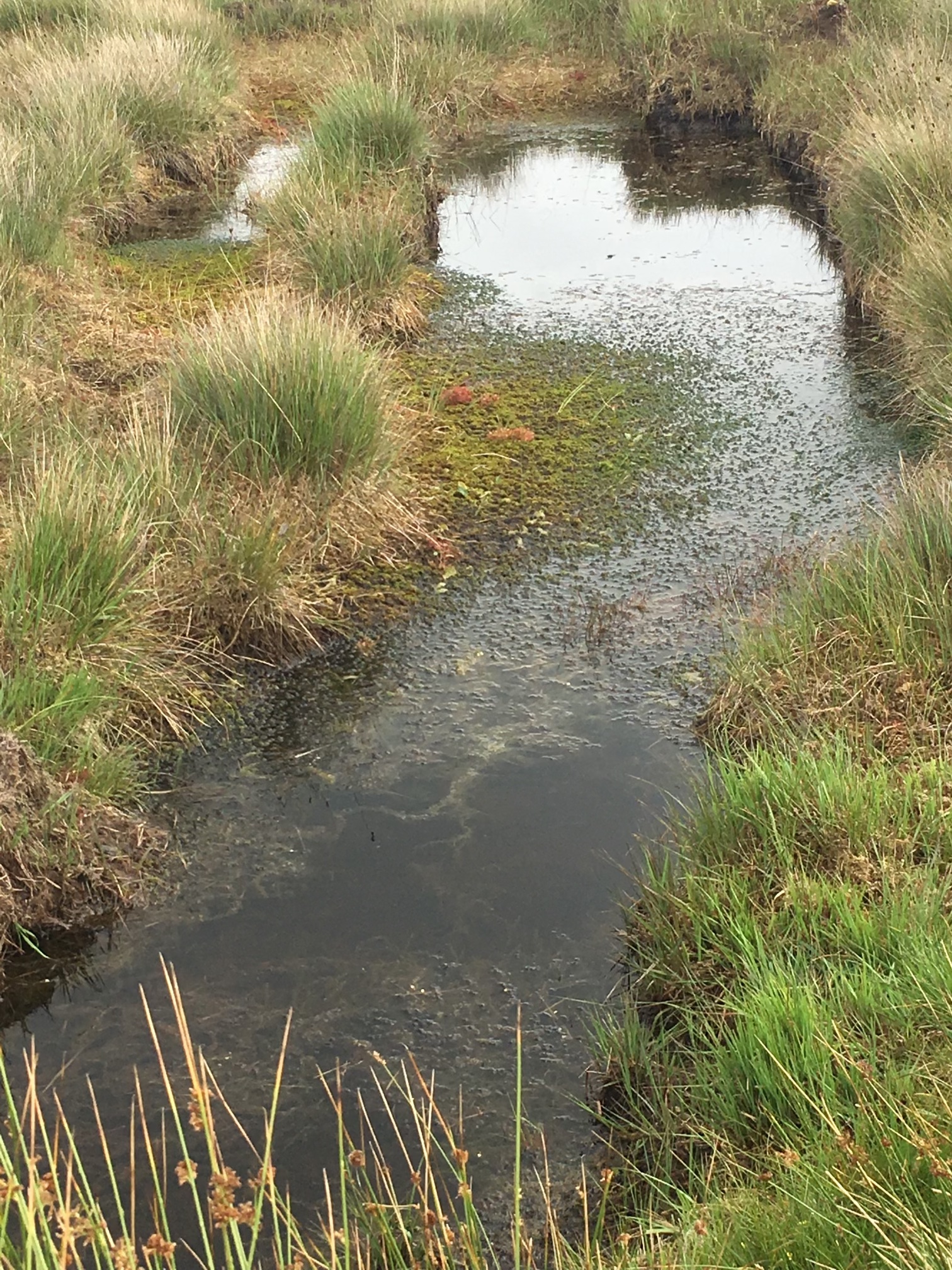
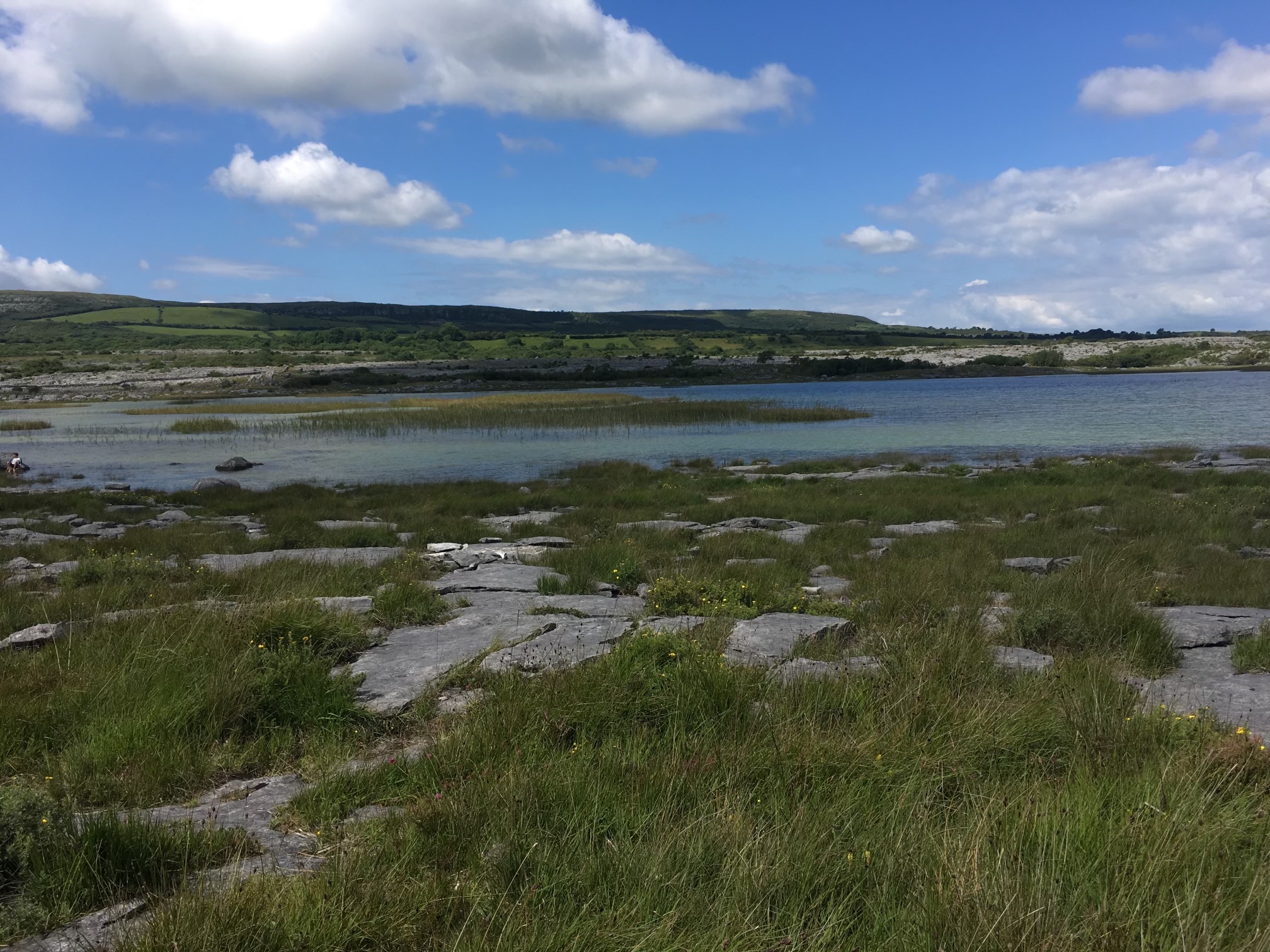
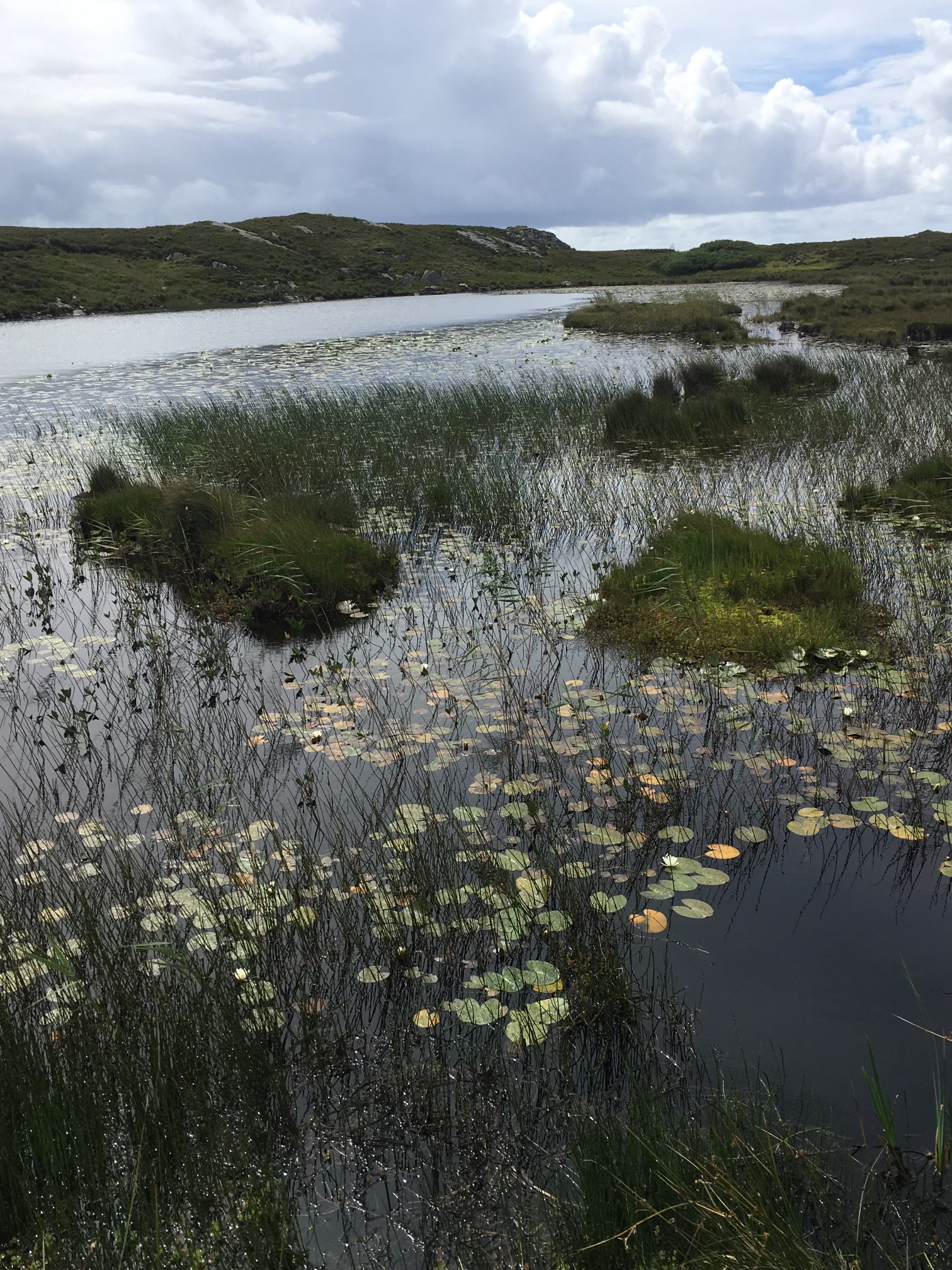
Wetlands are a vital ecosystem that provide us with much more than recreation— they protect endangered flora and fauna, filter pollutants out of the water, absorb carbon, and act as buffers during flood events. Despite this, wetlands are disappearing at alarming rates, and one-fifth of the world’s wetlands have been lost since 1700. Today is World Wetlands Day and many recognize the value of wetlands but do not know of last year’s Supreme Court decision that put more than half of the wetlands in the United States at risk.
In May of 2023, the Supreme Court case Sackett v. EPA ruled to change the definition of “Waters of the U.S.”, or WOTUS, under the Clean Water Act. The CWA, which was created in 1972 to “restore and maintain the chemical, physical and biological integrity of the nation’s waters”, previously protected wetlands that had a “significant nexus” to federally protected waters. This included wetlands that were connected via groundwater or perennial (year-round) or ephemeral (seasonal) connections, but the new definition means only wetlands with a continuous surface water connection to federally protected waters are protected under the Clean Water Act. Not only is this definition not scientifically sound, it opens the way for the development and pollution of more than half of U.S. wetlands and could have ramifications on wetland governance around the world. Wetlands that will especially be at risk include numerous freshwater wetlands, bogs, peatlands, brackish and interdunal wetlands, floodplain wetlands cut off from rivers by levees and berms, desert arroyos, and intermittent streams.
What are some of the benefits wetlands provide?
Biodiversity. Flora and fauna depend on wetlands for habitat- 40% of all plant and animal species live or breed in wetlands, with approximately half of all federally listed threatened and endangered species in the United States being wetland dependent.
Improved water quality. Wetlands also help filter pollutants out of water by acting as a natural wastewater treatment plant. The East Kolkata Wetlands in Kolkata, India save adjacent communities members money on their water and sewer bills by treating their wastewater for them.
Carbon sequestration. Wetlands act as a carbon sink, storing carbon that will be emitted into our atmosphere if we keep destroying wetlands.
Unfortunately, the WOTUS decision could lessen all of these benefits. Now, wetland protection is up to the states, and many states have weakened their wetlands protection laws in the wake of Sackett v. EPA. It is important to remember that water is transboundary— it does not adhere to state borders. Therefore, even if a state has a strong wetlands policy, it is impacted by development by states upstream. For example, the Chesapeake Bay runs through seven different states and comprises 1.5 million acres of wetlands, many of which are ephemeral. New York and Virginia have strict laws, but Delaware and West Virginia do not, meaning those states that are downstream of Delaware and West Virginia will be impacted.
What can you do? First, spread the word about the importance of wetlands. Join community groups and environmental organizations that help protect and restore wetlands. Organize — contact your state representatives and tell them you want wetlands to be protected in the wake of the Sackett v. EPA decision. And of course, enjoy the beauty and recreation of wetlands responsibly: plant native species, stay in designated visitor areas while recreating, use non-toxic products for household cleaning and lawn and garden care, and avoid developing on them. While this Supreme Court case dealt a blow to wetlands protections, we can spend today and every day working to protect and restore this precious ecosystem before it is too late.
With this in mind, the Global Water Alliance looks toward its 17th Annual Conference later this year — Nature-based Solutions for WaSH, Resilience for Humans and Nature. Details on the conference to follow.
Okay, it’s been a hot minute or a few thousand since I last posted something on my blog or even lifted my head up to see what all y’all have been up to, and for that I apologize, but I have a good reason — I’ve been ghostwriting!
Since last August, I’ve been working on a book for Deacon Michael Oles, the founder of Off The Streets, and I’m quite proud of the outcome. As of today, Finally Home – The Prophetic Witness of Off The Streets is available on Amazon in Kindle and paperback versions.
Here’s the synopsis where you can read all about it:
Be someone’s hero today. We’ve all read the headlines. The homelessness crisis in America gets worse each day — but what if I showed you how to help someone transition from homelessness into permanent housing in a few steps? Would it seem impossible to you? Too big a lift? A problem for others to fix? Well, not only is it possible, it’s relatively easy and it’s happening in communities across the country right now with this simple model developed by Off The Streets. All it takes is a spark and a small group of committed individuals working together in your community. Since 2009, nine Off The Streets chapters have transitioned approximately 7,000 people, mostly women and children, into permanent housing with the payment of a security deposit and a couple truckloads of furniture. Off The Streets has done the work and learned the lessons, and we are eager to share our knowledge with you. All you need is an open heart and a few hours a month of your donated time. In exchange, we will provide your organization with a template for transitioning the homeless into permanent housing. Will you join us in becoming an important piece of solving the homelessness puzzle by spreading our message to communities across the country? Why not start a chapter today? Together we can make homelessness a thing of the past. Become the hero you were born to be.
Joe Simons, Chairman of the Board, Off The Streets, Inc., President, Danbury, CT chapter, and Founding Member of Off The Streets
Off The Streets is a wonderful organization and seeing Deacon Mike’s commitment to getting the homeless into housing has been a humbling experience. With just a security deposit and a few rooms of furniture, Off The Streets has transitioned over 7,000 homeless persons into affordable housing in nine chapters across the country.
Ask any one of the OTS volunteers and you will see a common theme running through this organization — everyone believes they get more out of this work than they put in. It’s not just the clients who are grateful, it’s also the volunteers who work so diligently to help get persons experiencing homelessness into permanent housing. But don’t take my word for it.
With climate change and its impacts becoming more pronounced with each passing day, it is crucial for us to consider eco-friendly options to reduce our carbon footprint. Building or remodeling a home to be eco-friendly is one of the most significant ways we can reduce our impact on the environment. In this article from Joe Rees at https://catastrophes.info/ we will discuss some essential steps to build or remodel an existing home to be an eco-friendly smart home.
Proper Insulation
Proper insulation can help you conserve energy and save money in the long run. Installing insulating materials like fiberglass, cellulose, and spray foam in your walls, floors, and attics can make your home more energy-efficient. It can help maintain a comfortable temperature inside the house, reducing the need for heating and cooling systems. This not only conserves energy but can also save you money on your energy bills.
Energy-Efficient Windows and Doors
Windows and doors are some of the most vital aspects of your home. Purchasing energy-efficient windows and doors can reduce your heating and cooling bills, which can save you thousands of dollars over the lifetime of your home. Look for windows and doors with ENERGY STAR certification as they meet the highest energy-efficient standards.
Home Maintenance and Repair App
Using a home maintenance and repair app is a great way to get in touch with local contractors that specialize in eco-friendly home improvements. For example, the Frontdoor home management app is user-friendly and can simplify the process of finding contractors that can perform eco-friendly work. It can also help you book appointments, compare quotes, and read reviews from previous customers.
Smart Thermostat
A smart thermostat can help you save energy and reduce your carbon footprint. It allows you to adjust the heating and cooling temperatures in your home remotely, which reduces your energy consumption when you are not at home. Some smart thermostats can learn your behavior and adjust settings based on your preferences. This can potentially save you hundreds of dollars on your energy bill over the year.
Low-Energy Lighting
Using low-energy lighting such as LED or CFL bulbs is an easy way to conserve energy and reduce your carbon footprint. LED and CFL bulbs can use up to 75% less energy than traditional incandescent bulbs. Investing in these types of bulbs can lead to significant energy savings, reducing your electricity bills in the long run.
Recycled Materials
Using recycled materials in your home renovation and construction can help reduce landfill waste, save on energy, and lower greenhouse gas emissions. Recycled materials such as reclaimed lumber, countertops made of recycled glass, and recycled insulation can reduce the carbon footprint of your home.
Smart Sprinkler Installation
Installing a smart sprinkler system can help conserve water, which is a valuable but finite resource. A smart sprinkler system can detect local weather patterns and adjust the watering schedule of your garden or lawn automatically. This can help save water and reduce the amount of wastewater that goes down the drain.
Solar-Powered Devices
Solar-powered devices are increasingly popular among homeowners. Devices such as solar panels, outdoor lighting, and even window shades can help you conserve energy and reduce your carbon footprint. Solar panels generate clean energy, which can significantly reduce the amount of electricity you consume from the grid. Outdoor solar lighting is perfect for those looking to reduce their energy consumption without sacrificing their home’s security or beauty.
Keeping Solar Panels Clean
If you choose to invest in solar panels, it’s essential to keep them clean. Dirty solar panels can reduce their efficiency by up to 30%, making them less effective in generating clean energy. Regular cleaning can help keep your solar panels at peak performance, which translates to more energy savings in the long run.
Building or remodeling a home to be eco-friendly can be an overwhelming task. However, by following these essential steps, you can significantly reduce your carbon footprint while living comfortably. Remember to use proper insulation, install energy-efficient windows and doors, use a home maintenance and repair app, install a smart thermostat, use low-energy lighting, use recycled materials where possible, install a smart sprinkler, install solar-powered devices and keep solar panels clean. Together, we can build a sustainable future for generations to come.
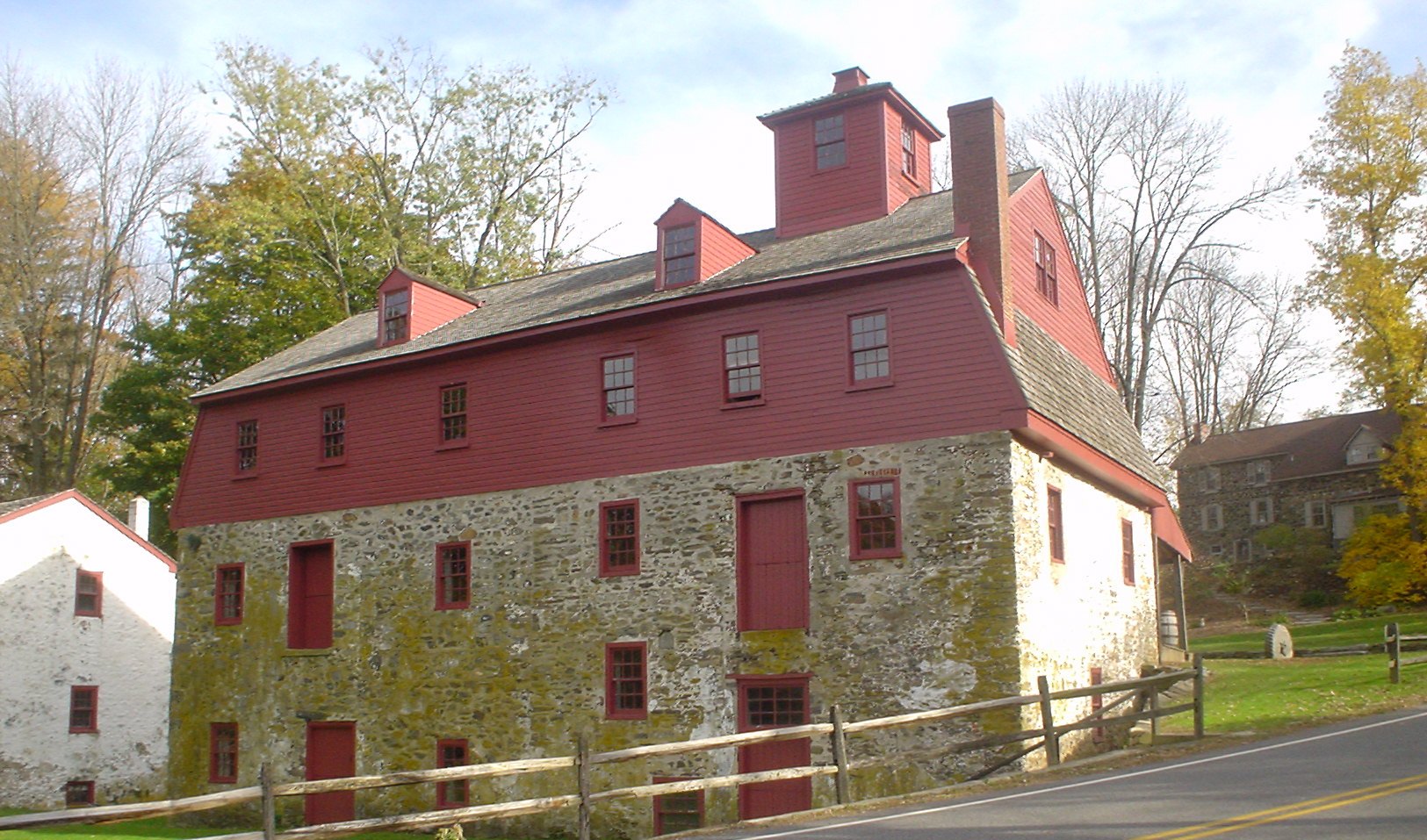
Do you know what the term, grist for the mill means? Originally denoted as the corn brought to the mill to be ground into flour, the meaning of grist evolved over time, first into the end product of whatever type of produce was available to be ground: wheat, oats, buckwheat, maize, etc., and even becoming the southern version of grits through a possible spelling error. Given that flour is now mostly made in factories and very rarely made by actually grinding it under stone, the colloquial meaning has morphed in our current vernacular. Products in general and other items that are available to be sold and turn a profit have evolved into grist for the mill which ultimately is the same as show me the money!
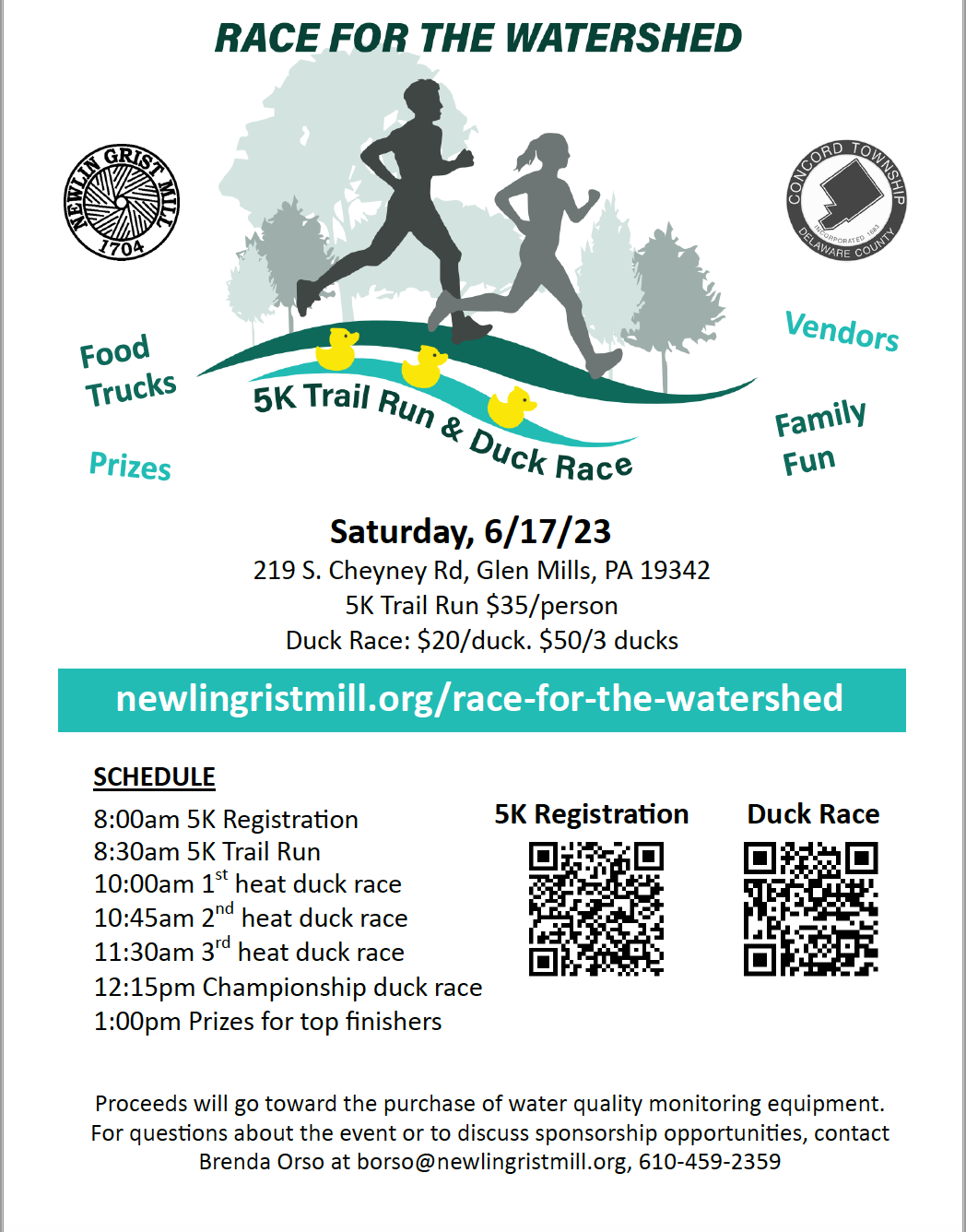
On Saturday, June 17, 2023, the Board of the Newlan Grist Mill hopes you will do just that and participate in this festive and important fundraiser for the upkeep of their historic mill. Built near Concordville, PA in 1704 by Nathaniel and Mary Newlin on the west branch of Chester Creek, the commercial operation of the mill lasted over 230 years, finally ceasing operation in 1941!
photo courtesy Newlan Grist Mill
The Race for the Watershed is an environmental community outreach event sponsored by Newlin Grist Mill and Concord Township. The family fun day will include a 5K Trail Run and Duck Races. All proceeds for the Trail Run and Duck Races will go towards water quality protection measures for the West Branch of Chester Creek., including the purchase of a water quality monitoring network. In this age of extreme wet weather events and highly polluted stormwater runoff, water quality monitoring has become more important than ever.
photo courtesy Newlan Grist Mill
The event promotes watershed protection and wildlife conservation and several environmental and resource agencies are participating: Delaware County Conservation District, Pennsylvania Department of Environmental Protection, Tristate Bird Rescue, Stroud Water Research Center, Penn State Extension, Masters of Watershed Stewardship, Wild Birds Unlimited, the US Environmental Protection Agency, and Ridley Creek State Park. The event provides an opportunity to educate the public about natural resources as well as feature ways to protect those natural resources.
Race for the Watershed will have something for everyone. In addition to the Trail Run, Duck Races and environmental education outreach, we will have music, fun for the kids, and food trucks!
Come on out and make a day of it all the while improving water quality in your area! Hope to see you there.
Thanks to Joe Reese of Catastrophes.Info for the following:
The Steps to Starting a Successful Green Building Business
Starting a green building business is an exciting way to serve the community and make a significant difference in sustainability. Going green not only reduces environmental impact but also helps businesses save money in the long run. But how do you go about starting this kind of venture? catastrophes.info presents a step-by-step guide on how to start and grow your own green building business.
Creating a Proper Business Plan
Creating an effective business plan is the first step to getting started. This document should include everything from your company’s mission statement, objectives, and goals, to financial forecasts and strategies for growth. Your business plan will act as your roadmap for success, so you must put considerable time into creating one that accurately reflects your vision.
Connecting With the Right People
Having access to the right resources can be invaluable when starting your own green building business. This means connecting with like-minded individuals who have experience in this industry and can provide valuable advice or guidance. Local organizations such as Chambers of Commerce can help you find local contacts that may be able to provide support or simply point you in the right direction.
Marketing Efficiently
Once you have established yourself as a legitimate business entity, it’s time to start marketing your services. To maximize exposure, focus on spreading the word through organic methods such as email campaigns, social media postings, blog posts, and even traditional print advertising. Additionally, consider investing in targeted digital ads on platforms such as Google Ads or Facebook Ads. These methods will help ensure that customers are aware of what you are offering so they can take advantage of it whenever possible.
Hiring the Right Team Members
The success of any business depends largely on its team members—and this is especially true for green building companies where knowledge and expertise are key components for providing quality service. Assemble a team of experienced professionals who share your dedication toward sustainability and customer satisfaction. Make sure each team member has the necessary qualifications and certifications before hiring them so you know they are capable of providing quality workmanship at all times.
Registering Your Business With the State
If you’re planning to launch your own business, it is important to register with the relevant state in order for everything to run smoothly and stay on the legal side of things. To make sure you’re good to go, research any type of license or permit that may be required for registration depending on where you’re located. You can find this information online or by reaching out to local government officials who specialize in small business registration requirements. Additionally, consider which structure best suits your company’s goals and needs so that it can thrive in the future.
Investing in Software and Applications That Can Get You Started on the Right Foot
Creating an efficient system for managing finances is essential when launching any kind of new venture—especially if it involves multiple clients or complex operations such as project management software which allows users to track progress on various projects easily and quickly while still being cost-effective.
As a green builder, you can also start implementing takeoff software. This automated software allows you to make accurate measurements and estimates so you can easily bid on projects. You’ll even be able to add photos for your clients.
Investing in these kinds of tools can help streamline processes from day one—saving both time and money while helping keep operations running smoothly from start to finish over time!
Starting a green building business doesn’t have to be difficult if done correctly—it just requires some planning ahead! By following these steps – creating an effective plan; connecting with the right people; marketing efficiently; hiring qualified team members; registering with the state; investing in appropriate software – you’ll be well-equipped for success now and down the road!
Perhaps it is coincidence, perhaps not, but located in Southern Iraq and Iran lie the Mesopotamian Marshes, also known as the Iraqi Marshes, once the largest wetland ecosystem in the world before they were systematically drained by Saddam Hussein, now reduced to 10% of its former glory. None of us knows what species of plants or animals were lost in the draining, but something tells me the world is a little poorer for it.
Of the 2,430 wetland sites designated worldwide, 41 of them are located in the U.S. February 2nd, the day the Ramsar treaty was signed, is globally recognized as World Wetlands Day.
Oil and Water, a novel about oil spills and green technology is partly set in the Iraqi Marshes. Here’s an excerpt from the novel. If you care to read more, you can find it here.
Chapter Sixty-Seven
Robbie and Amara lay on a tightly woven reed mat beneath an open window, the spare light of the crescent moon casting the faintest of shadows. His arm rested protectively on her belly. The thin blanket that had covered them lay crumpled on the floor, thrown off in the dead of the night’s heat. A cool light breeze blew off the water and in through the open window, washing over their sleeping bodies in an undulating rhythm that kept time with their breathing. Waves lapped against the Quonset hut’s foundation.
Robbie drew a deep, choking breath like one coming up for air after too long underwater. He coughed, waking himself, then bolted upright in bed, waking Amara.
“What is it?” Amara put a hand on his back. “Your heart is beating very fast.”
Robbie took several breaths in rapid succession then pulled her to him. “You’re cold.”
“So are you.” Amara grabbed the blanket and pulled it up over them. Robbie relaxed and they both lay down on the reed mat again. A rustle just below the hut refocused Robbie’s attention; he was out of bed in an instant.
“It’s only a mouse,” Amara said.
“We’re surrounded by water.”
“Not everywhere. Much is just mud. The water is high now because of the spring rains.”
“Well, how will he get out?”
“There’s always a way out,” Amara said. “Besides, mice are excellent swimmers. Please.” She opened her arms and he snuggled closer to her.
“Sorry. Just a little jumpy.”
“No one has been here for a long time. I’m sure it is very dirty in here.”
“I thought you said it was a little fishing hut.”
“Yes. It belonged to my grandfather’s father. Of course, when he left he had no more use for it, but my uncles still used it.” Amara’s voice stumbled. “Now there is no one to use it.” Robbie hugged her closed and smoothed her hair.
“Tell me about your dream,” she said.
“I dreamt that American troops were driving their jeeps through the marshes. They were coming from Baghdad on their way to Basra and the most direct route was straight through the middle. The jeeps had these pontoons on them that kept them afloat when the water got deep. There was a place in the water where it rose about six inches like it was going over something massive below. The lead jeep got stuck on it. It turned out to be a remnant of one of Saddam’s dams. Well everyone had to get out and engineer a different way across. They unloaded their mashufs, and troops started fanning out across the marshes in these canoes. I was watching from the reeds. Somebody came up behind me and grabbed me by the throat. I started choking … then I woke up.” Robbie rubbed Amara’s arm and she placed her hand over his heart.
“You’re safe now. They won’t find you until you’re ready to be found.”
Robbie kissed the top of her head. She kissed his lips.
“Dawn’s coming soon,” Amara said. “Please let’s sleep. In the morning, I’ll show you where you are.”
➣➣➣
At dawn, Robbie and Amara climbed into the mashuf they had borrowed from her uncle, a boat builder whose shop sat at the tip of what remained of the Al Hariz marsh. A mullet, small and bony by any standard, rose to the surface in search of breakfast. Robbie jumped at the splash that signaled its return to safe water.
“It’s just a fish,” Amara said, handing Robbie a paddle. “And a small one at that. They are returning now that the dam has been destroyed.”
“Well, that’s good, isn’t it? I mean, about the dam.” Robbie started to paddle in time with Amara.
“Yes, very good, but not enough. The Minister of Irrigation estimates that when the dam was breached, over one hundred and fifty quadrillion gallons of water flooded back into the channels, only enough to return the water to the two closest villages. At one time, there were hundreds of these villages. At this rate it will take a thousand years.”
“Well, can’t they just open another dam?”
“They have opened all the dams. The water is no longer here.”
“Where is it?”
“Still in Syria and Turkey, being diverted for many projects. Agriculture, hydroelectric. Who knows what else? Saddam gave them our water. He stole it from his own people.”
“We’ll get it back.”
“It’s much more complicated than that. Here people fight over the right to use the water. Maybe not so now in your country, but you see the beginnings of it in your American west. One day people in America will fight over water just as we do.”
The marshes were silent but for the lapping of the water on the shore and the slight rustle of the bulrushes. A fog had settled over the marshes and Robbie wiped at the drops of water that collected on his face. A bullfrog croaked. Robbie jumped, then relaxed.
Amara smiled and turned briefly to look at him. “You never fully get used to the noises that the marshes make. To live here is to constantly be on alert. So my grandfather has told me.”
They rowed together in silence until Amara directed the mashuf through vegetation so dense and intertwined that Robbie felt they were inside a tunnel. When they emerged on the other side, the first rays of the day had filtered through the reeds, creating a mosaic pattern across the surface of the water. A blue heron caught breakfast and retreated to safer ground, flying directly overhead.
“A most beneficent sign,” Amara said, bunching her fingers together and touching them first to her heart, then her lips and finally her forehead. She stopped paddling momentarily and squeezed Robbie’s leg. “There it is. The house of my uncle, Sayyid. We will be safe here.”
➣➣➣
Robbie and Amara docked their boat on the small island where another hut stood.
“Who’s there?” said a voice groggy with sleep. Inside, the occupants of the house stirred, the first rustling of the day. Amara tied the canoe and grabbed Robbie’s arm just as Sayyid Sahain appeared in the doorway wearing the conventional robe and turban, but no sandals. In the misty morning light, Armara couldn’t clearly see the face of her uncle, still pressed with sleep, his hastily donned turban slightly askew.
“Who is there?”
“It is me, Uncle. Amara.”
“Amara! Is it you? I had word, but I did not dare hope. Allah be praised.” Amara’s uncle scrambled down to the dock and grabbed Amara by both elbows before crushing her to his chest in a warm embrace. “Allah has blessed me once again,” Sayyid said. He held her at arm’s length. “To look at you is to look again upon my brother’s face.” He wrapped an avuncular arm around her and patted her back before releasing her, then turned to Robbie, a question in his eyes. “And who is it that assures your safe travel?” he asked, sizing Robbie up.
“This is my friend, Robbie, Uncle. He is an American. He wishes to help our people. But first, Uncle, we must assure his safety. He has left his captain without permission.” Sayyid raised his eyebrows in disapproval.
Amara continued. “The Americans believe he is dead. There was a car bombing and … they did not find him.” Amara bowed her head and clasped her hands together. “I’m sorry, Uncle. I don’t mean to bring you trouble.” Sayyid studied Robbie’s face then looked to his niece’s bowed head.
“Amara. You could not bring more trouble than that devil Saddam has brought to his own people. Every day I ask Allah why he has allowed this. But Allah has turned his face away from us.” He lifted Amara’s chin. “You were always the impetuous one. By the grace of Mohammed, had you been born a boy I believe you would have stopped the devil himself.”
Amara smiled at her uncle and he stroked her cheek.
“Time has taught me many things,” Sayyid continued. “For the memory of your father, but more important, for you, I swear I will keep your friend safe among us until the time he chooses to leave.”
Sayyid turned to Robbie. “Welcome, sahib.” He took Robbie’s hand in one of his and with the other clapped him on the back. “You are safe here.”
“Thank you.”
“Call me Uncle as my niece does,” Sayyid said.
“Uncle,” Robbie repeated. Following Amara’s lead, he bowed his head slightly to indicate his respect.
“Come, come,” Sayyid said. “Let us go inside. You must be hungry. We will take a meal together and you will tell me of your plans.”
➣➣➣
Inside, Sayyid’s wife Fawzia, was already grinding coffee. Sayyid made the introductions and Amara embraced her uncle’s new wife before the woman retreated to the hearth to prepare a meal worthy of visitors.
“Fawzia is a good woman,” Sayyid said. He directed them to several cushions scattered around a small round table barely a foot off the floor.
“I am sorry for you, Uncle. For my aunt. We had heard, but were unable to make the trip.”
“Thank you, niece.” Sayyid bowed his head and touched his bunched fingers to his heart, mouth and forehead. “She was a very good woman, dead now these five years.”
“How did she die?” Robbie asked.
“From Saddam’s poison water.”
“Saddam poisoned the water? For real? Why isn’t everything dead?”
“He is the devil,” Sayyid said.
“I thought it was because of the dams,” Robbie said. “I didn’t know he used poison, too.
“He did not poison it with chemicals but with ideas,” Sayyid said. “And revenge. Revenge for the part my people played in the Shiite uprising in Iran. We are Shiite Muslims. Saddam is Sunni. So he tried to kill us by taking away our water. When the water is not fresh, it dies.”
“You mean it becomes stagnant?” Robbie asked.
“Yes. Stagnant. This water breeds cholera for which we have no cure.” Sayyid’s voice became soft. “When I see the problem, I take her by tarrada to the doctor.” Sayyid turned to Robbie. “This is my large canoe, much bigger than my mashuf. It is more than thirty meters. Six people paddle while I hold her head in my lap, but it’s not enough. By the time we see the doctor, it’s too late.” Sayyid wiped at his eyes as if he had an itch. Robbie looked at Amara who put her hands in her lap and bowed her head.
“Saddam killed my beloved wife with his dams. With his evilness. This I know.” Sayyid adjusted his turban and straightened his robe. “My people lived here from the beginning of time. Now they live in refugee camps on the borders in Iran.”
“That’s why we’ve come, uncle,” Amara said.
Fawzia appeared with a tray containing three demitasse cups, sugar, spoons, and an ebriki, a small brass pot with a long handle, used to cook the coffee directly over the stove. Steam wafted from the narrow opening of the pot. Fawzia set the tray down and smiled at Amara and Robbie.
“You are hungry?” She brought her fingers to her lips to indicate eating with one’s hands.
Amara nodded and smiled. Fawzia squeezed Amara’s hand and left.
“She speaks only a little bit English, my wife,” Sayyid explained to Robbie.
Robbie nodded. “I’m sure we’ll manage.”
➣➣➣
Want to learn more about the Marsh Arabs, the Iraqi Marshes, or wetlands and water health in general? Read Oil and Water and you’ll never think the same about wetlands again.
Moderation in all things is a phrase attributable to the Greek poet Hesiod (circa 700 b.c.), the Roman comic dramatist Plautus (c. 250–184 bc), Buddhism generally, and I’m sure a majority of everyone’s grandparents. Even the Bible talks about moderation in Philippians 4:4-8 Rejoice in the Lord always: and again I say, Rejoice. Let your moderation be known unto all men. The Lord is at hand. Be careful for nothing; but in every thing by prayer and supplication with thanksgiving let your requests be made known unto God.
Okay, that last one is a little obtuse, but the point is, moderation allows you to eliminate the screechy, shaky extremes — like anger, hysteria, anxiety — from your day and assures, to the extent possible, a certain measured living that allows for optimal performance, i.e, it’s not only the key to a good and productive life, but probably happiness. That doesn’t mean that you have to drive your life down the middle lane at all times, never experiencing either euphoria or sadness because, how dull, eh? Better to live as Oscar Wilde said: Everything in moderation, including moderation.
This Thanksgiving, and for the foreseeable future, I’m trying to live more moderately in my emotional space, more purposefully, and with a loving-kindness mindset toward my fellow man, even the ones that drive me completely round the bend. I don’t have to look to far to find those people so anyone who thinks this is going to be easy hasn’t had a convo with me in a while.
How does one incorporate moderation? Well, I guess I would start with gratitude which not only has been known to have some positive emotional affects like lifting one’s spirits, helping our perspectives, reducing stress, providing a positive outlook and lowering anxiety, but it also reduces blood pressure, inflammation in the body, and even helps with stress eating!
Regardless of how extremely polarized we have become, and regardless of all the yelling across the aisles (it’s not as many people as you think), things are changing out there. We may not reign in climate change this year or even next, but FINALLY, almost everyone agrees it’s a game-changer and one we have to tackle in order to survive; ten years ago that was not the case. And we may not solve all our water problems this year, but we are working toward fixing more of them each day. So for our kids and our kids’ kids, we’ll keep at these intrinsic and seemingly interminable issues front and center until we’ve moderated them all into oblivion.
To that end, here are a few feel good stories I’ve been meaning to write about. Enjoy the hard won victories!
Beet This:
When we think about winter storms, we don’t think much about the deicers the states and municipalities put down to keep us all from driving our cars off the road, but use them we do, and as a result, salt levels can increase in freshwater streams to ocean levels during the winter months. Thankfully, there’s help. Congratulations to Philadelphia for taking the Green Infrastructure thinking up to new levels.
Goats:
We’ve heard about using goats to mow lawns as a way to reduce the carbon footprint, but have you heard of using goats to prevent wildfires? In 2020, Lani Malmberg started the trailblazing (pun intended) Goatapelli Foundation to train people in using goats, something she’d been doing on her own, but saw the vision in expanding to a larger community. Not only do the goats reduce brush from the vegetative floor to as high as nine feet — which is how high a goat can stand on its hind legs — but after digesting the brush, their waste increases the organic matter in the soil, thereby improving soil quality and helping the soil to hold more moisture. Wow, goats are the GOAT!
3D Printed Houses:
As we can tell from the red hot housing market, housing has become a bit of a crisis globally. People can’t find a home, can’t afford the home, or have been priced into homelessness which may as well be oblivion. Enter 3D printing and Africa where 14Trees made the first 3D printed house in Africa in12 hours with 70% less carbon emissions! Go 14Trees!!
A Lightsaber for Water Pollution:
When Ross Gillanders won 15,000 pounds for Lightwater Sensors, it was originally technology built to detect landmines, but while it worked well in the lab for that purpose, it didn’t perform as well in the field. Where did it perform well? In water. Mr. Gillanders technology acts like a laser beam for locating pesticides in water. Fantastique! Can we get a home version?
The Chesapeake Bay:
The Chesapeake Bay, the largest estuary in the country, is a national treasure, garnering the attention of the six bordering states — Pennsylvania, Maryland, Virginia, West Virginia, New York, and Delaware — but if you know anything about the Bay, you’ll know that nutrients like nitrates and phosphates from farming runoff as well as developmental pressures in the surrounding areas are killing its vibe. But, good news. In 2022, the Bay experienced fewer dead zones — those areas where algae have blotted out the oxygen and killed the SAV, submerged aquatic vegetation — the 10th smallest since 1985. Okay, not the resounding victory we’d all like to see for the Bay at this point, but still pretty darn good.
So celebrate the forward thinkers, maybe even become one of them yourself, and let’s moderate ourselves to happiness.
Speaking of, Happy Thanksgiving, friends! We have much to be grateful for. May we all live long and sustainably, and prosper along the way.
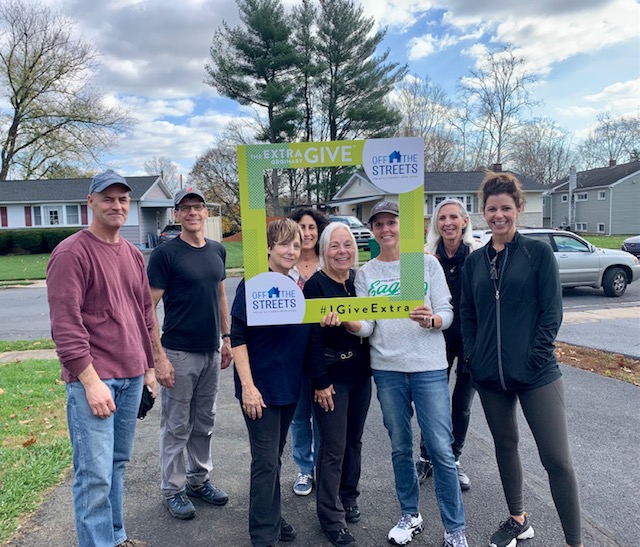
If you live in Central Pennsylvania, you’ll know what I’m talking about. Started by the Lancaster County Community Foundation in 2012, the Extraordinary Give has raised over $82 million to date and the names of organizations to which you can donate keeps on growing.
One of my personal favorite charities participating in the Extraordinary Give is Off The Streets, an organization dedicated to getting persons experiencing homelessness off the street and into affordable housing. Every Saturday despite rain, snow, heat, or holidays, Off The Streets does two moves, helping single persons and families into long-term housing by supplying the first and last month’s security deposit and the furniture needed to start a new life. And they do it all without a paid staff and very little overhead.
Much of Off The Streets’ equipment like the moving van and the warehouse space where donated furniture is stored has been gifted to Off The Streets. This assures cash donations can be used where needed — to pay the start up costs for the landlord, and to get additional products like toiletries so the newly housed can get the best start possible.
Headed by founder Deacon Mike Oles who started the first chapter of Off The Streets in Danbury, Connecticut, Deacon Mike and OTS have gotten an additional 4,000 people into long-term, affordable housing since moving to Lancaster, Pennsylvania in 2014. OTS works with local organizations who serve the homeless and it depends on those organizations to do the initial screening of applicants, assuring, among other things, that the applicant has sufficient funds to pay the rent going forward. A little know fact is that many people experiencing homeless are actually working homeless.
Off The Streets is an incredible organization, demonstrating what can be done in any community to eradicate homelessness. So why don’t you give today?
If you are interested in starting a chapter in your area, contact Deacon Mike at at 203-482-1460, or at moles5@comcast.net.
Isn’t it amazing what a small group of dedicated volunteers can do to change the world.





















 Green Life Blue Water