
By: Ivy Steinberg-McElroy

Wetlands are a vital ecosystem that provide us with much more than recreation— they protect endangered flora and fauna, filter pollutants out of the water, absorb carbon, and act as buffers during flood events. Despite this, wetlands are disappearing at alarming rates, and one-fifth of the world’s wetlands have been lost since 1700. Today is World Wetlands Day and many recognize the value of wetlands but do not know of last year’s Supreme Court decision that put more than half of the wetlands in the United States at risk.
In May of 2023, the Supreme Court case Sackett v. EPA ruled to change the definition of “Waters of the U.S.”, or WOTUS, under the Clean Water Act. The CWA, which was created in 1972 to “restore and maintain the chemical, physical and biological integrity of the nation’s waters”, previously protected wetlands that had a “significant nexus” to federally protected waters. This included wetlands that were connected via groundwater or perennial (year-round) or ephemeral (seasonal) connections, but the new definition means only wetlands with a continuous surface water connection to federally protected waters are protected under the Clean Water Act. Not only is this definition not scientifically sound, it opens the way for the development and pollution of more than half of U.S. wetlands and could have ramifications on wetland governance around the world. Wetlands that will especially be at risk include numerous freshwater wetlands, bogs, peatlands, brackish and interdunal wetlands, floodplain wetlands cut off from rivers by levees and berms, desert arroyos, and intermittent streams.
What are some of the benefits wetlands provide?
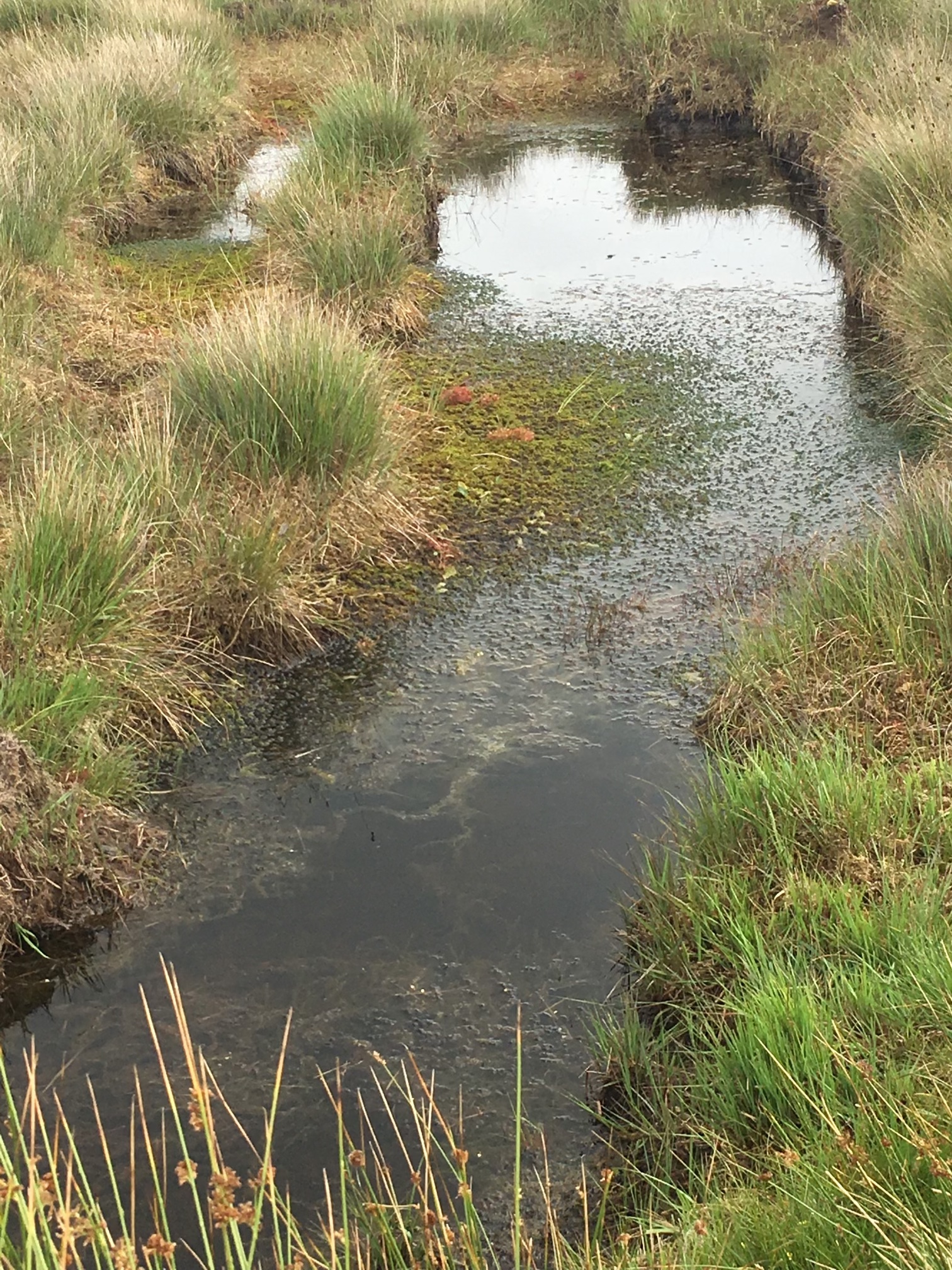
Biodiversity. Flora and fauna depend on wetlands for habitat- 40% of all plant and animal species live or breed in wetlands, with approximately half of all federally listed threatened and endangered species in the United States being wetland dependent.
Improved water quality. Wetlands also help filter pollutants out of water by acting as a natural wastewater treatment plant. The East Kolkata Wetlands in Kolkata, India save adjacent communities members money on their water and sewer bills by treating their wastewater for them.
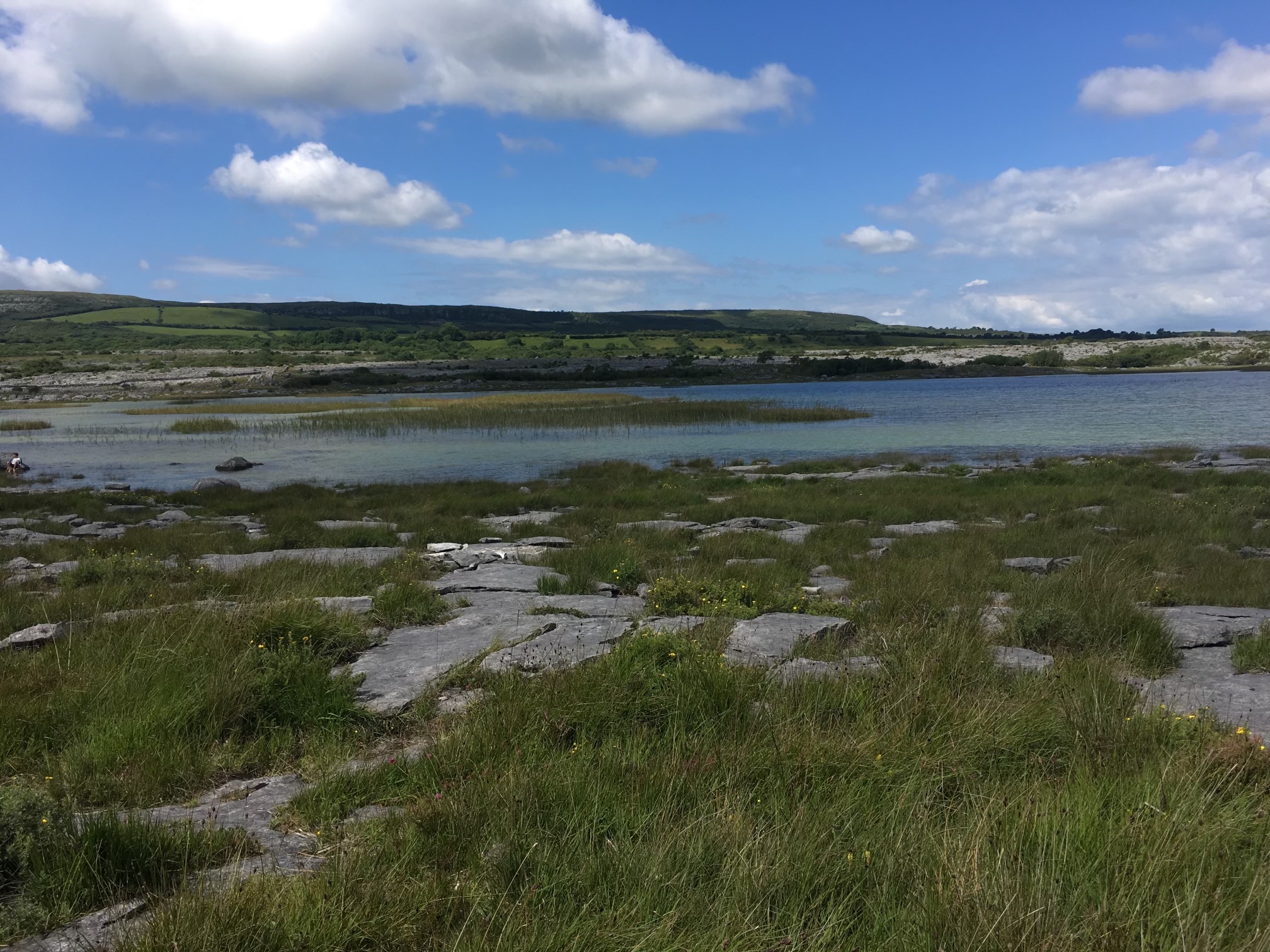
Carbon sequestration. Wetlands act as a carbon sink, storing carbon that will be emitted into our atmosphere if we keep destroying wetlands.
Flood risk reduction. One acre of wetlands can store as much as 1.5 million gallons of floodwater. Coastal wetlands prevented more than $625 Million in direct property damages during Hurricane Sandy, reducing property damages throughout the Northeast US by 10% on average. Research has also found that one hectare of wetland loss in developed areas costs society $8,290 in flood mitigation value. Wetlands protection can also help us achieve more than we think— wetlands are essential to achieve the United Nations Sustainable Development Goals, especially clean water and sanitation (SDG 6), climate action (SDG 13), life on land and below water (SDGs 14 & 15), and more. According to the Global Wetland Outlook: Special Edition 2021, wetlands are our most effective land-based ecosystem for addressing the climate crisis.
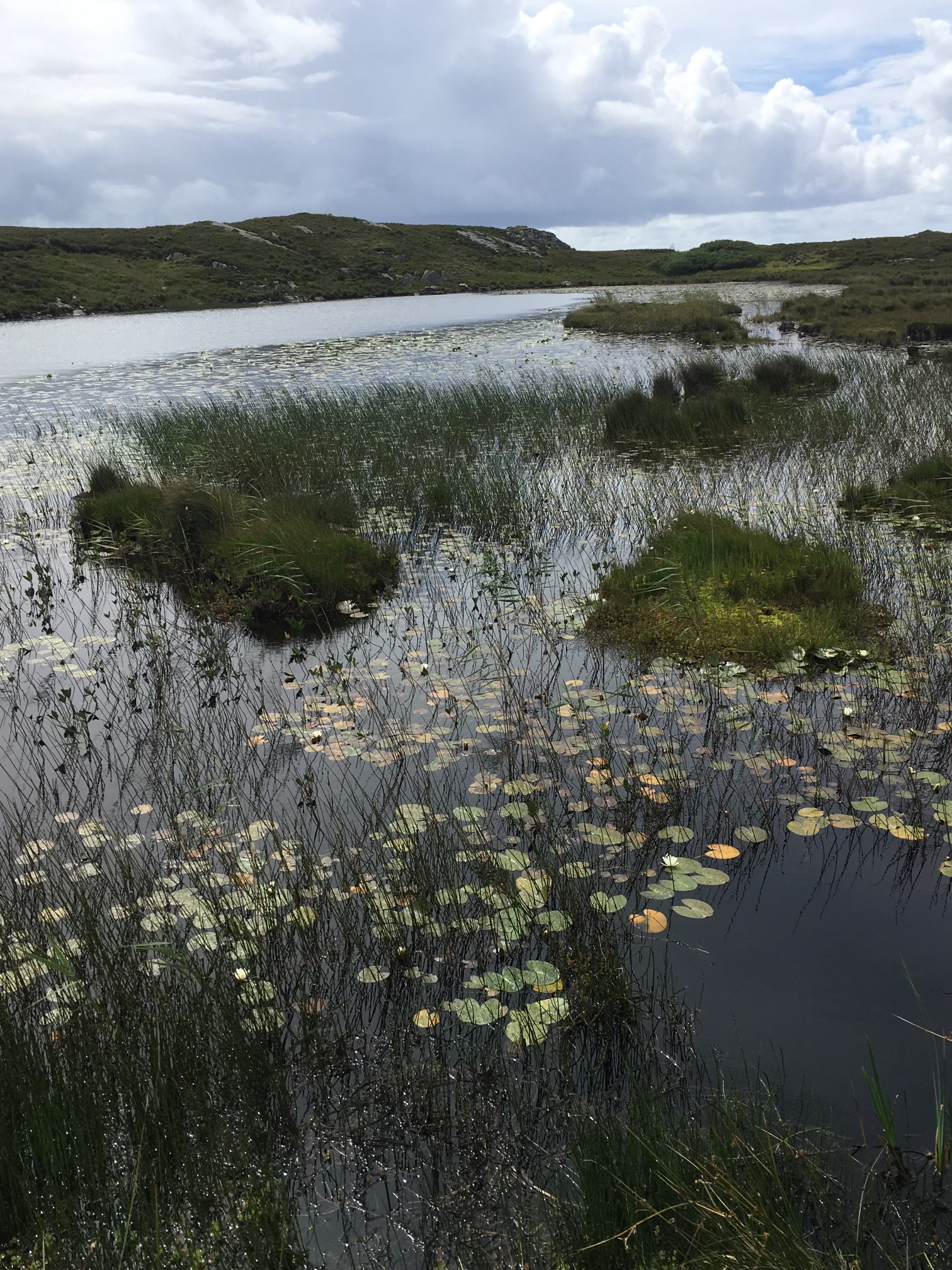
Unfortunately, the WOTUS decision could lessen all of these benefits. Now, wetland protection is up to the states, and many states have weakened their wetlands protection laws in the wake of Sackett v. EPA. It is important to remember that water is transboundary— it does not adhere to state borders. Therefore, even if a state has a strong wetlands policy, it is impacted by development by states upstream. For example, the Chesapeake Bay runs through seven different states and comprises 1.5 million acres of wetlands, many of which are ephemeral. New York and Virginia have strict laws, but Delaware and West Virginia do not, meaning those states that are downstream of Delaware and West Virginia will be impacted.
What can you do? First, spread the word about the importance of wetlands. Join community groups and environmental organizations that help protect and restore wetlands. Organize — contact your state representatives and tell them you want wetlands to be protected in the wake of the Sackett v. EPA decision. And of course, enjoy the beauty and recreation of wetlands responsibly: plant native species, stay in designated visitor areas while recreating, use non-toxic products for household cleaning and lawn and garden care, and avoid developing on them. While this Supreme Court case dealt a blow to wetlands protections, we can spend today and every day working to protect and restore this precious ecosystem before it is too late.
With this in mind, the Global Water Alliance looks toward its 17th Annual Conference later this year — Nature-based Solutions for WaSH, Resilience for Humans and Nature. Details on the conference to follow.
2.2.24









It’s so tragic to realize we’re dismantling the few protections even further, Pam.
LikeLiked by 1 person
It really is, Carol, to the point that no one can see the wood from the trees, as it were, or the peat from the bog. 🤪😂
LikeLiked by 1 person
I was at Lake Erie Metropark in early December – it is comprised of several marshes and I saw some of them were completely dried up or very shallow water. All of the waterfowl were over at the lake – no use going to those marshes. We also had a three-week drought in June 2023 which I thought had contributed to the dryness in the marshes. So I saw one of the park’s interpretive guides and asked about it because they had an extensive dredging operation going on in 2022 to divert the water and raise one of the largest lagoon’s water level to encourage plants, crayfish and turtles to have a better habitat. He said it had nothing to do with the dredging i.e. benefiting one marsh at the sake of others, but because Michigan had so many high wind events in 2022, that the wind had literally sucked up the water. I was amazed. I visited this park this past Sunday. We had hardly any snow this Winter, but we have had several bouts of all-day torrential rain. The marshes had not been replenished totally, but were getting there.
LikeLiked by 2 people
I’m sad for the marshes and the birds that make it their home, Linda.
LikeLiked by 1 person
Yes, sadly the birds will suffer a similar fate as the butterflies.
LikeLiked by 1 person
Sad but true, Linda. ❤️🩹
LikeLike
I agree Pam. Now they say the monarch migration from Mexico is down 60% this year. Weather disasters everywhere – two earthquakes today. Sad indeed.
LikeLiked by 1 person
😳😔
LikeLike
Pam, your insightful post highlights the critical importance of wetlands beyond recreation, emphasizing their role in biodiversity, water filtration, carbon sequestration, and flood mitigation. The recent Supreme Court decision indeed poses significant threats to these vital ecosystems. As we observe World Wetlands Day, your call to action—spreading awareness, joining conservation efforts, and advocating for protective legislation—resonates deeply. It’s a timely reminder of our collective responsibility to safeguard these ecosystems for future generations. Let’s mobilize to protect and restore our wetlands, recognizing their indispensable role in our planet’s health and resilience. Best wishes, Mike
LikeLiked by 1 person
Oh don’t I wish everyone would, Michael. Thanks to Ivy for writing the article!!
LikeLike
Great article, as always, to know how the man could be stupid! I am suffering from this issue more than ever as I see how the Islamic regime in Iran damages nature by wasting water by building unsuitable dams and causing drought all over the country. Take care, my dear Pam.🖖💖🥰
LikeLiked by 1 person
Speaking of, Aladin, the Fertile Crescent once boasted the largest wetlands ecosystem in the world until it was drained and dammed and the water rerouted (thanks, Saddam) and now it’s at about 10% of what it was. The Marsh Arabs have paid the price. So sad. 😞
LikeLiked by 1 person
Wetlands are life.
LikeLiked by 1 person
Yes they are, Cindy.
LikeLike
This is such a disappointment to hear. Our SCOTUS is incompetent.
LikeLiked by 2 people
Haha – sooo true!
LikeLiked by 1 person
😱😱😱
LikeLiked by 1 person