The Night Bus

The Night Bus

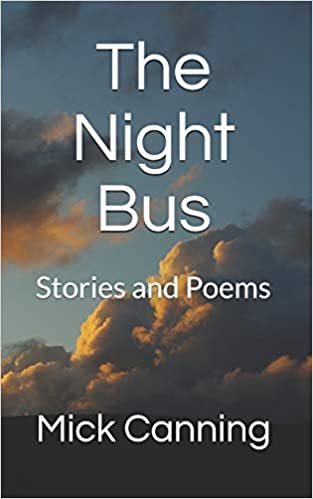
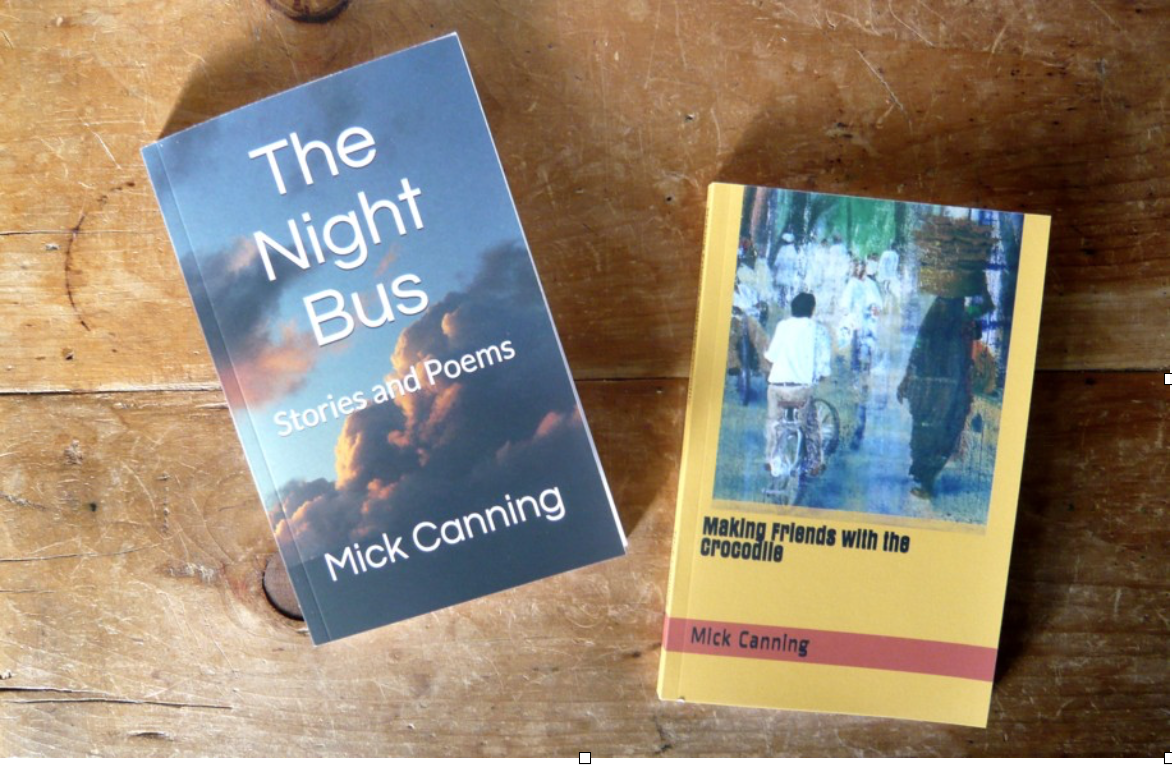
You know that lovely feeling you get when you crack the spine on a book and after a few sentences in you know you’re in the presence of a master?  That was my takeaway from reading The Night Bus, by U.K. resident, Mick Canning, a collection of stories and poems teeming with vitality and resonant with the flavor of the wide open world.  The Night Bus is Mick’s second indie-published work; the first was a novel, Making Friends with the Crocodile.  

So enthralled was I with Mick’s writing that I asked him if he would stop by and chat a little.  This is what ensued.

First, congratulations on the release of The Night Bus (Nov. 2019).  It’s always exciting to release a new work, and quite cathartic, I think. How long have you been writing, Mick?  How did you first get started?

I’ve always written – I used to make up stories as a small child and read them out to my parents. I am one of those writers who ‘has to write’ – it is almost a compulsion. I always carry a notebook and scribble down ideas for new pieces or something I’m working on at the time.

From where do your ideas come?  What inspires you?  How do you keep the creative spark going?

If I knew where they came from, I’d market that! But seriously, we all have ideas. We see or think of something and think it might make a good story, but the difference is that the writer notes them down and works on some of them later. I don’t think there is anything in particular that inspires me, though. It can be as diverse as a chance thought, something in the news or a view of some mountains. As for keeping it going, when I feel a bit stuck or stale, I go for a long walk. It never fails to free whatever block I have at the time.

These have also been my experiences.  If I fail to write something down, the idea seems lost forever.  Similarly, if I get stuck, a walk dislodges all the blocks, probably because you’re giving your body something to do so your mind is free to think as it pleases.  It’s amazing how many writers have similar experiences.  From reading your stories, I assume you’ve traveled extensively.  What were some of the most profound places you’ve been to?  How does travel inform your writing?

If by profound you mean intense, then India immediately comes to mind. It is an intense country in many ways, a country of extremes and intensity. As such, it provides marvelous colour and background for stories. My novel, Making Friends with the Crocodile, is set in an Indian village, and a lot of what happens there – especially the round of day to day life – comes from my own experiences in a similar village. And then the title piece of The Night Bus is based strongly on a bus journey through Northern India and Nepal I took over thirty years ago. But places closer to home inspire me, too. I’ve set a lot of my writing in the UK (not surprisingly), and it’s possible to find the exotic even in places that might be considered more mundane since, in the end, it is often people that make places.

Have you had any of the metaphysical experiences you write about in your stories? If so, tell us about one.

They’re all out of my imagination, sadly!

What message do you most want to convey with your writing?

That would depend on the story or poem. In Making Friends with the Crocodile, I am writing very overtly about the prejudices and abuse faced by women, but in other pieces I am usually aiming to entertain rather than get a message across. That doesn’t mean I don’t throw in a few pointers or make a few points, of course. As someone with strong opinions about many subjects, I think that’s inevitable.

Do you go for a clear message or do you want the reader to extrapolate?

That rather depends – see above!

Do you work outside of writing, i.e., do you have day job?

I’m now retired.

What has been your greatest writing lesson?  How about life lesson?

As far as writing is concerned, there is no substitute for writing as much and as often as possible. That is how you develop your style. To read as much and as widely as possible. That is how you learn so much about structuring. And finally to actually learn and know how to use grammar. That is how you stop your books sounding lazy and amateurish. And then a serious edit. I have read many, many samples of self-published books on Amazon, and I am amazed and appalled at how incredibly sloppy and poor some of them are. It is scary enough putting yourself out in the world to be read and judged by strangers, so why make yourself look extra foolish? And make someone who has bought your book feel short-changed and resentful?

A life lesson? Live in the present. It’s all we have.

Who are your biggest influences?  Inspirations?  Present day? Historical?

The writers who have had the greatest influence on me are possibly the South American short story writer Jorge Luis Borges and the novelist Hermann Hesse, but I suspect that everything I’ve read has had some sort of influence, and it’s more than likely that I don’t recognize some of them. Perhaps readers might be more likely to spot them.

Now that you mention Borges, I can see his influence on your work.  He’s a very trippy (metaphysical) writer in my opinion.  As far as you own work, where do you want to be ten years from now as far as creative accomplishments?

It would be nice to sell a few more books…

I know from reading your blog that you have a deep respect for nature and the environment.  What can we do as writers to help nature out or at least educate our fellows in this critical time?

The obvious, really. Use whichever platforms we have to educate and inform. My blog reaches more readers than my books, and on a regular basis, so that is where I write on environmental issues. That’s not to say I won’t perhaps explore those other avenues sometime.

Anything else you want to add?

Thanks for inviting me here, Pam.

My pleaseure, Mick.  I look forward to your future works. 

Making Friends with the Crocodile:

Siddiqa was only just into her teens when she was forced to leave her home to live with her new husband and his family in another village. The years have passed, and now Siddiqa has three children of her own. Her grown up son has brought his new wife, Naira, to live with them, so Siddiqa is no longer the lowliest in the household, for she has a daughter-in-law.

Life in rural India is particularly harsh for women. This novel explores themes of female oppression and tradition and asks whether the next generation will find life any easier.

The Night Bus:

This book is in two parts. A collection of seven short – and not so short – stories, which make up the bulk of the book, followed by a selection of recent poems.
Travel has always been a passion of mine and, one way or another, nearly every piece here is to do with journeys. Some of the stories are quite dark, but the majority of the poems have a lighter touch.

Two stories are set in India; in one, a young man goes in search of a mysterious destiny, while in the other a traveling Englishman becomes embroiled in a chilling disappearance. One story speaks of the support and comradeship of a close-knit island community while another tells of jealous intelligences far older than mankind.

There is one long poem, which gives the title to this collection and tells of a journey across India and into the mountains. There is also a short series of poems about the ancient paths and tracks of Britain; in these, especially, a love of the natural world shines through.

Mick can be reached at:

http://www.mickcanning.co

pam lazos 3.8.20

Posted in author interview, book promotion, book release, books, Uncategorized | Tagged , , , , , , , , , , , | 19 Comments

Let it Snow Geese


Let It Snow Geese

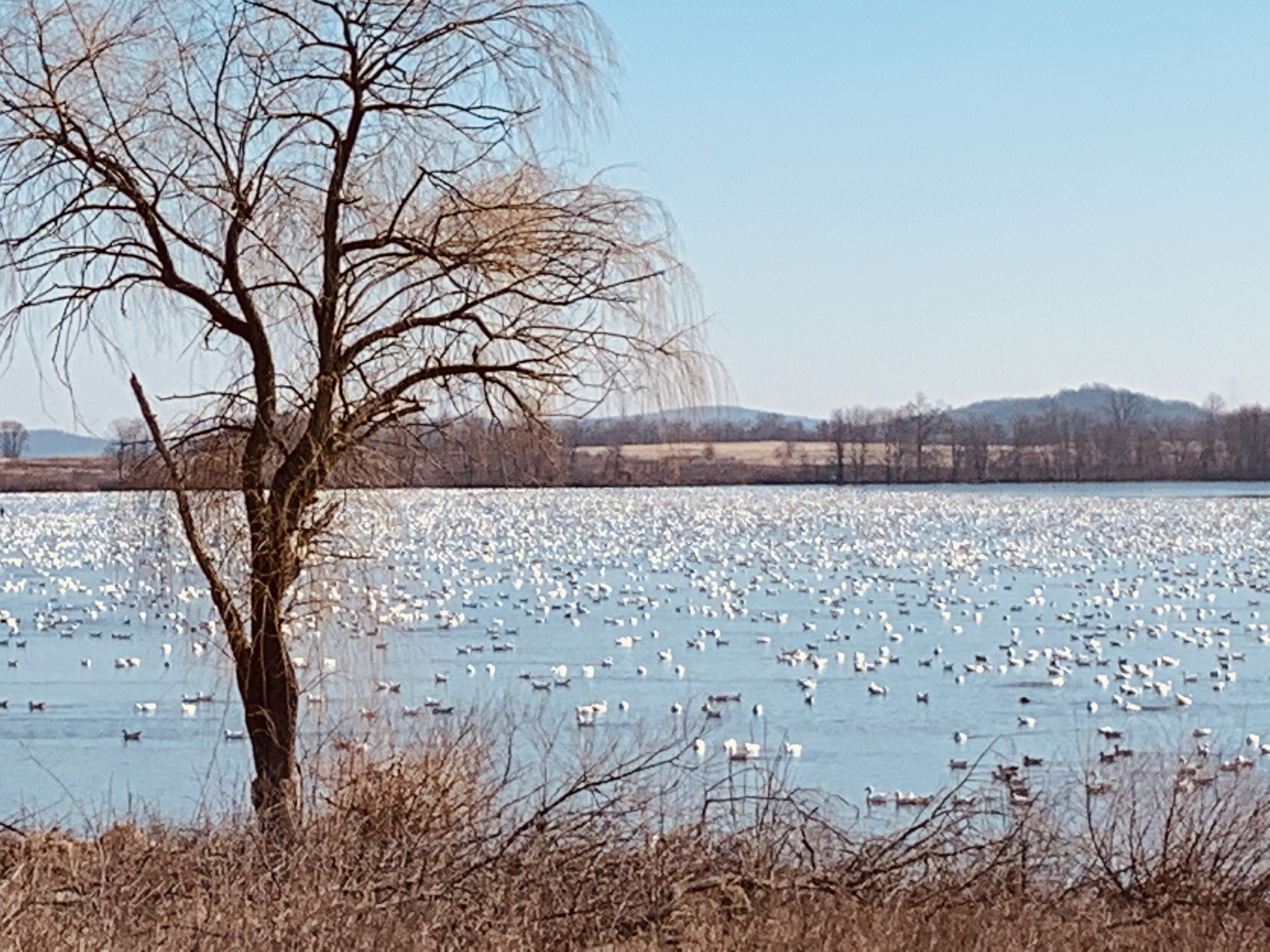
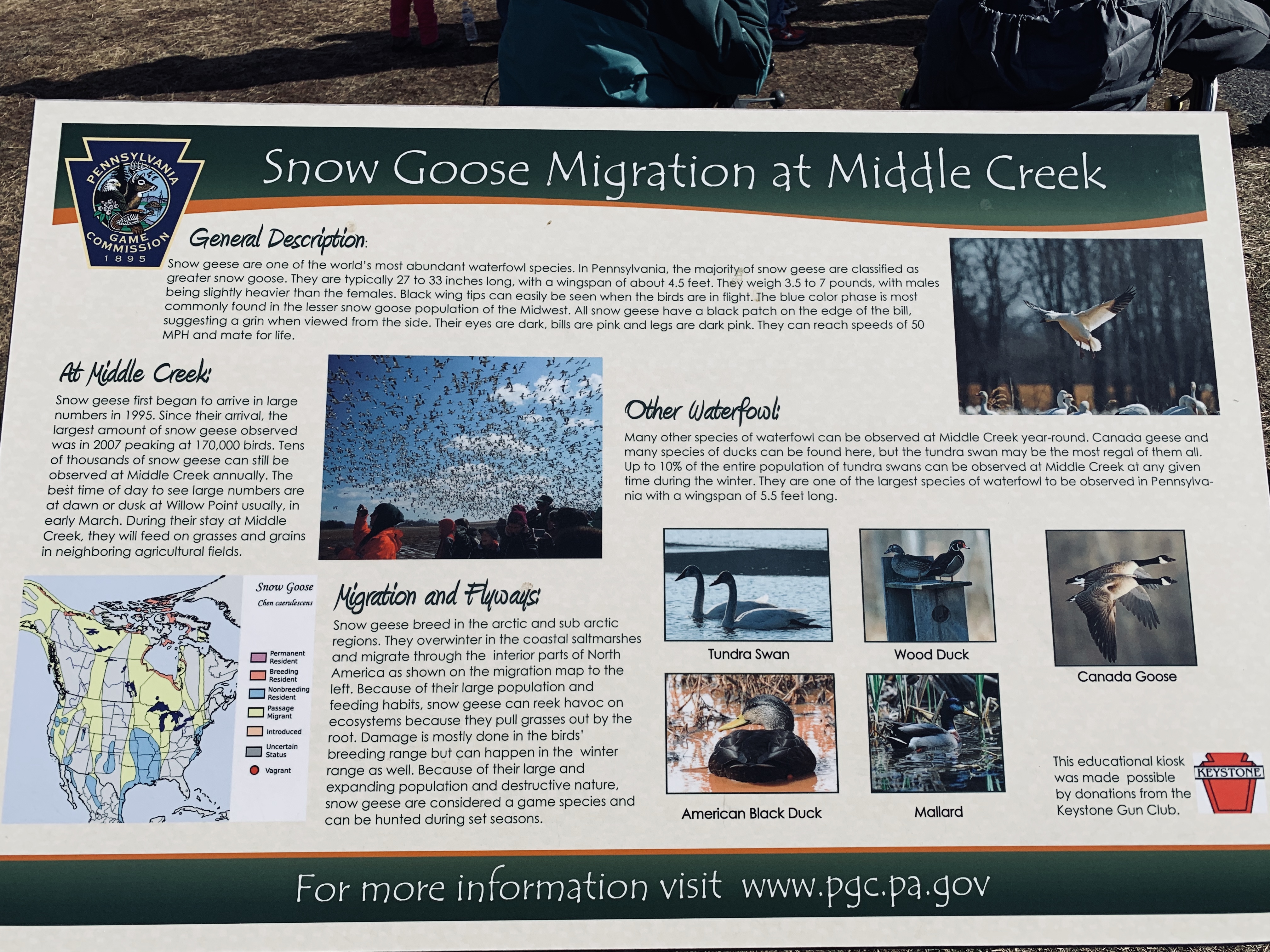
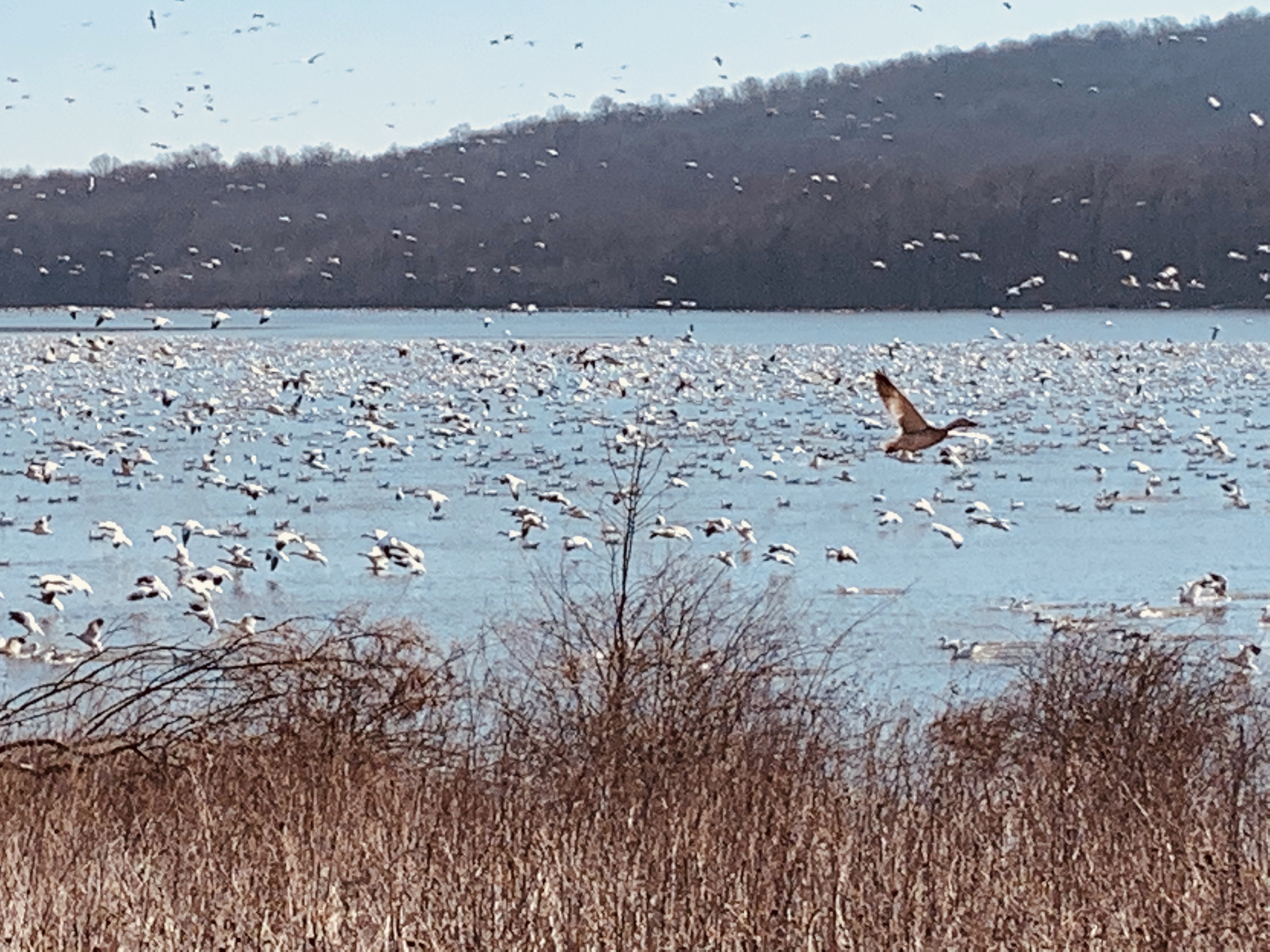
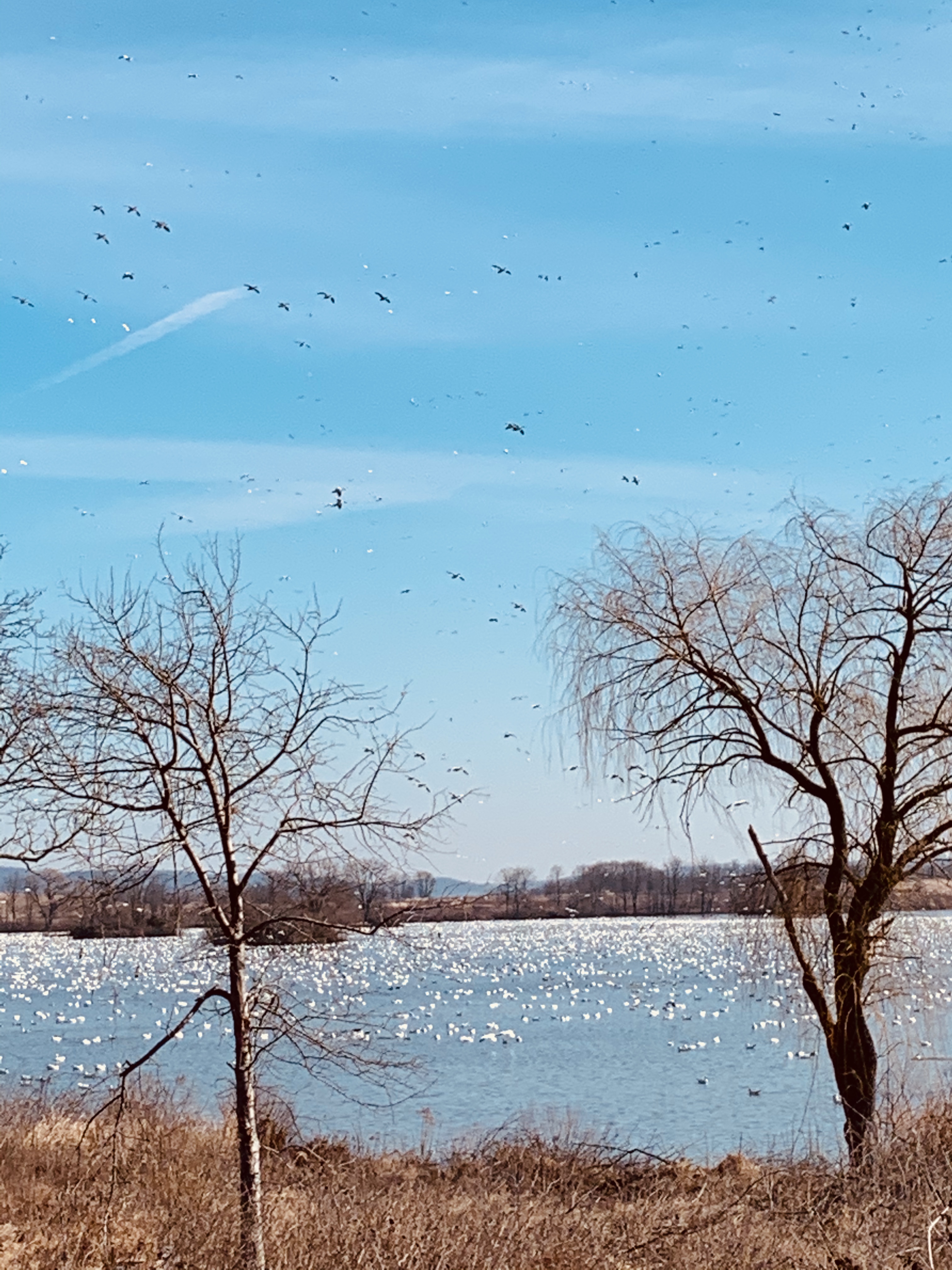
Middle Creek Wildlife Management Area in Kleinfeltersville in Lancaster and Lebanon counties is a 6,000-acre parcel that provides a stopover for migrating birds en route from sunnier climes south of Pennsylvania to their spring and summer breeding grounds on the Arctic tundra. 

Operated by the Pennsylvania Game Commission, the site was created from 1965 to 1972 from pieces of various local farms and offered local hunters the opportunity to enter a drawing to win one of a set amount of licenses to hunt Canadian geese. 

Fast forward to present day where thousands of snow geese — who mate for life, by the way — take a break on their long flight home.  On President’s Day this year, about 130,000 geese took a swim, grabbed some lunch and raised a ruckus at Middle Creek, drawing hundreds of locals, many with camera lenses as long as your arm, to witness the spectacle. 

Once home, a pair of snow geese will produce between two and six eggs which the female will incubate over a period of 22 to 25 days.  Come fall, the family hits the sky again, migrating along the Atlantic Coast to warmer weather. 

The record for the most snow geese at Middle Creek was set on February 21, 2018 at 200,000 geese. I have no idea how they count them.

I took these pictures with my phone so the depth is no where near what it could be, but you get the idea.  The most intriguing part to me was not just the number of geese but the noise they make.  It’s a real treat to see it live, but if you can’t get there…  

go here for the live snow geese cam and see these beautiful birds for yourself.  Hurry, while they’re still hanging around the place. 

pam lazos 2.23.20

Posted in Uncategorized | Tagged , , , , , | 41 Comments

Happy Hearts


HAPPY HEARTS

Happy Valentine’s Day, peeps.  Kiss your honey, your kids, your cats, your dogs, yourself even, and everyone else you love to have in your life.  It will make them feel loved and a lot lighter, and it will boost your immune system, too!  #GiveLove #SpreadLove #BigLove

Bleeding hearts…

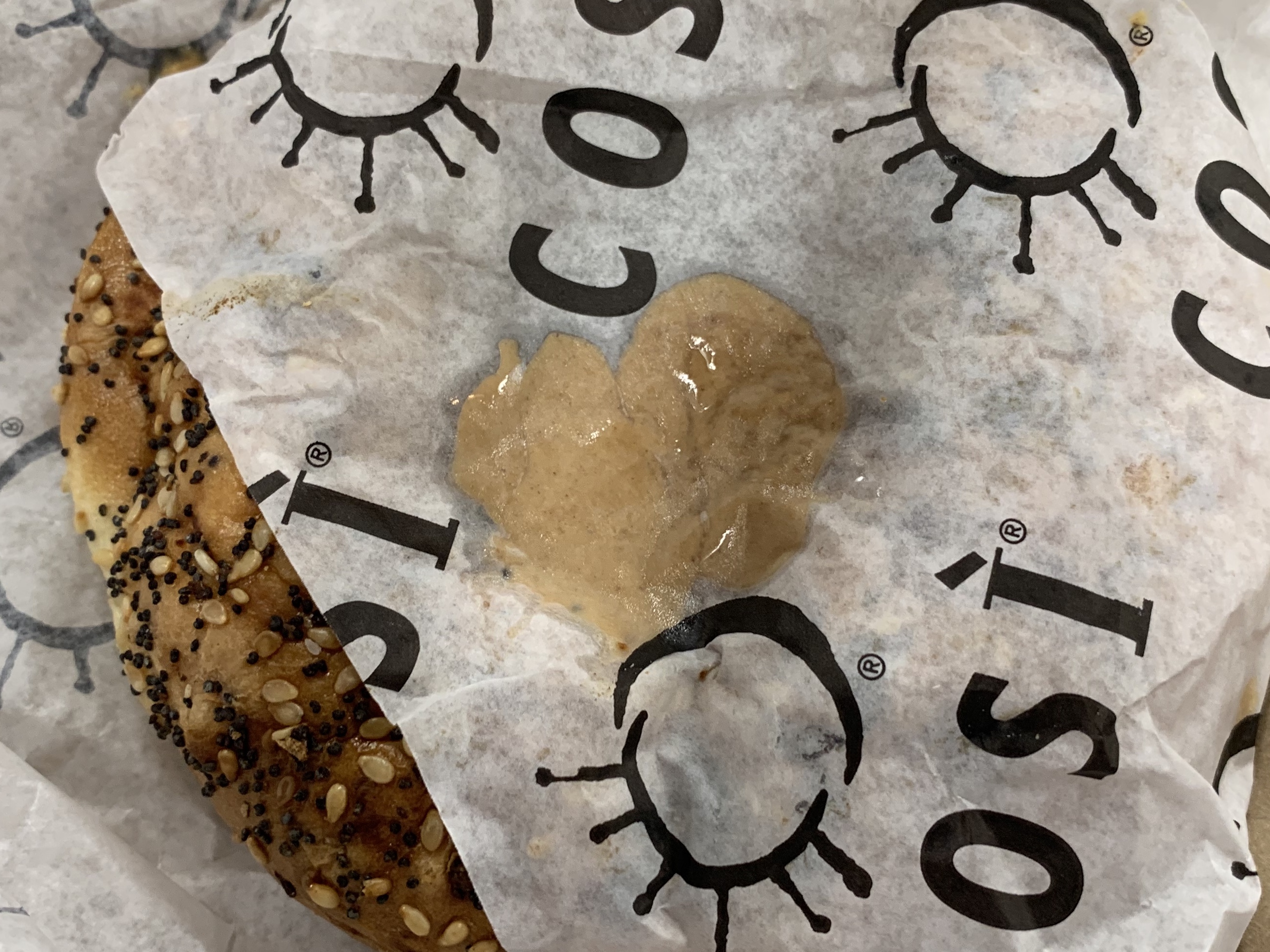
Foody hearts…

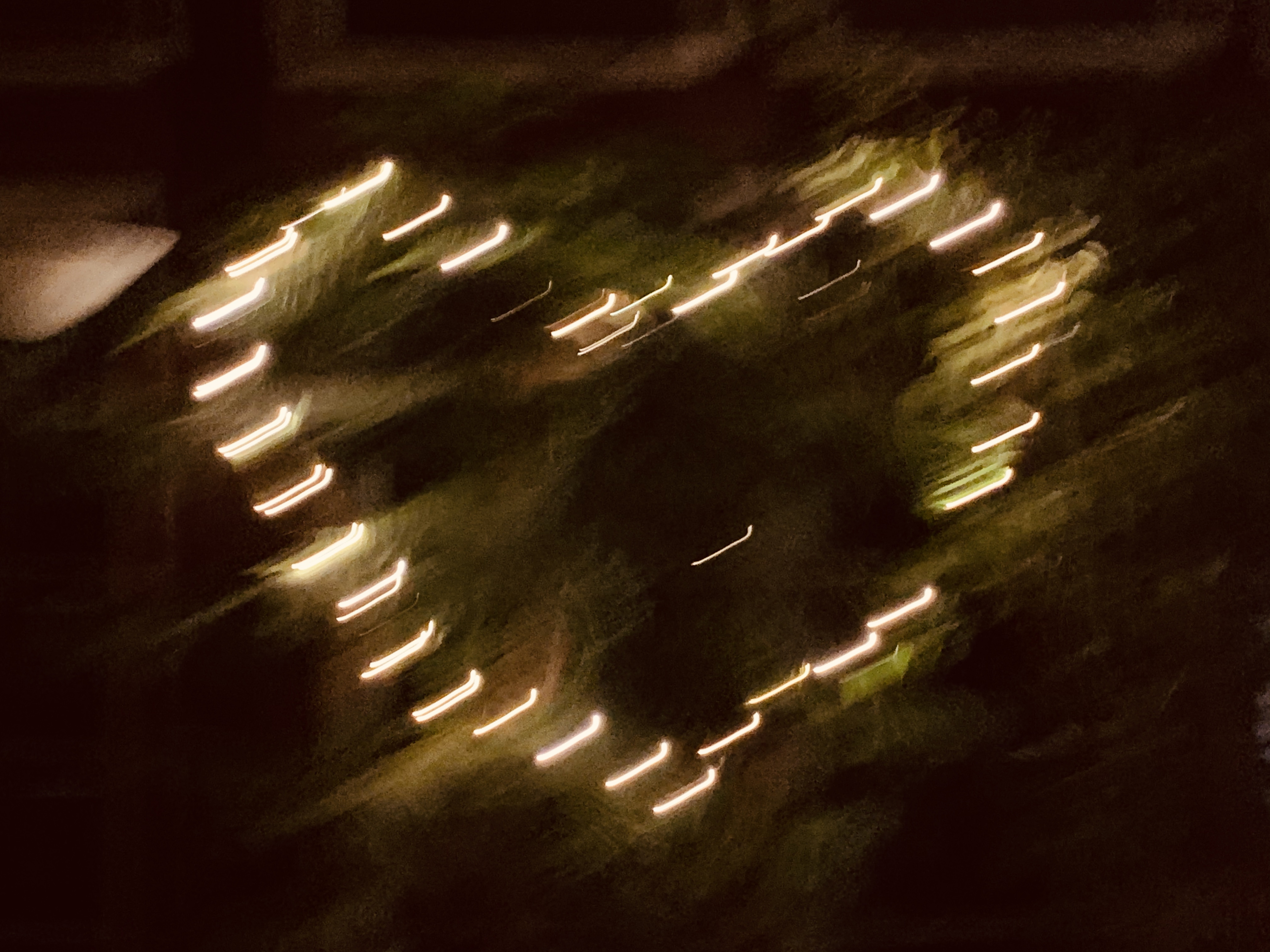
Electric hearts…

Green and glowing hearts…

Cups of hearts…

Home is where the heart is.

Spread Love! Give Love!  Big Love! oxo

pam lazos 2.14.20

Posted in Uncategorized | Tagged , , , , , | 23 Comments

Technology for a Greener World


There are a lot of people producing a lot of great environmentally friendly content on the internet these days.  People like Mark Harris at Awareness Toolkits, one of a small group of folks committed to finding ways to live more sustainably and to pass that information on to the rest of us.  Mark reached out to me about writing this post — which you’ll note is chock full of terrific ideas — but you can contact the folks at Awareness Toolkits for help with anything environmental and they’ll research it for you.  Yes, it truly is a wonderful world.  Thanks, Mark.

I trust you will find the following most helpful.  Feel free to share liberally and enjoy!

pam lazos 2.9.20

Image via Unsplash


How to Use Technology at Home for a Greener World

by Mark Harris

Everywhere we look, we are confronted with the threat of global warming and pollution and reminded that we are leaving our grandchildren an unstable and unhealthy environment. We all want to have a greener, healthier lifestyle, but many of us are afraid we’ll have to give up the techno-gadgets that are so important to our work and home life.

Fortunately, that isn’t necessary. There are myriad technological advancements that do not harm the environment at all, and some even help us live a greener lifestyle.

Energy Usage

Smart thermostats help you save money and energy by connecting to the internet so you can adjust them from anywhere. Smart thermostats like the Nest Learning Thermostat learn your heating and cooling routine and apply your preferences to the system, so you stay comfortable all the time without lifting a finger. Another useful thermostat is Ecobee’s newest model which provides energy and usage reports and can work with many smart home platforms. Smart thermostats save energy and money because they only work when necessary, and on top of that, you can adjust your thermostat from your phone if you’re getting home late or are on vacation.

Power Strips and Surge Protectors

As Temple University explains, a lot of energy is wasted by the phenomenon of vampire waste, also known as phantom energy use. This colloquial term refers to how electrical gadgets will draw electricity when not in use. Plugging into a surge protector or power strip instead of the wall will prevent phantom energy use.

Some power strips connect to the internet allowing you to turn things off remotely. Stop televisions, microwaves, and computers from draining energy and raising the electric bill with a simple power strip.

Water Filtration

According to Forbes, 91 percent of disposable water bottles are not recycled, adding tons of waste in United States landfills every year. These discarded bottles damage the natural ecosystem in several ways. They destroy the natural habitats of wildlife and pollute the oceans and waterways as well.

A simple solution is to drink tap water. There are a plethora of technological water filters available commercially. They filter particles of debris from tap water as well as chlorine and mineral deposits leaving you with great-tasting filtered water for only pennies on the bottle. Add a refillable water bottle to stay hydrated when on the go.

Alternative Lighting

The incandescent light bulbs we have traditionally used are huge energy monsters. LED lights on the other hand are extreme energy savers. Although traditional bulbs are considerably less expensive at the onset, LED lights save much more in the long run. According to Scherer Electric, the cost of using a halogen or incandescent light for a year is $6.02 compared to $1.26 for a year of LED lighting.

Not only do LED lights save money, but they offer a slew of other benefits such as a range of colors and brightness. You can also connect them to your smart home system and control your home lighting remotely.

Thermal Leak Detector

An airtight home naturally saves you money and energy use. With that in mind, look to thermal leak detectors to show you where heat is leaking out of your home. Use it to check around ducts, windows, and doors as well as other insulated places that are vulnerable. Simply scan the area in question and watch as the detector turns red for warm or blue for cool. These nifty gadgets can also be used to check the effectiveness of freezers, refrigerators, and even your vehicle’s coolant system.

Boosting the insulation in your home can stretch energy savings even further and help you make the most of that energy you’re holding in your four walls.

It doesn’t seem possible, but our everyday technology can be used to make the world a greener, healthier place. From saving energy to cutting down on pollution, there are many ways to use technology for a greater good. Together, we can make a difference.

You can contact Mark at:

mark@awarenesstoolkits.com


Posted in eco, ecosystems, electricity, environment, technology | Tagged , , , , , , , | 24 Comments

Toward a Circular Economy: Trash Picking

Toward a Circular Economy:  Trash Picking

Over half of the world’s population doesn’t have a formal waste disposal scheme in place.  One hundred years ago, when the ubiquitous material known as plastic had not yet been invented this may have been okay.  People composted; containers were made of paper, cardboard, cloth, glass, and other materials that broke down readily.  Today, everything seems to be made of plastic which is sturdy and shatter-resistant and lasts for a thousand years — literally.

And that’s the problem.  Plastic’s long shelf life is an anathema on the planet because no one wants to take the time to sort it all out.  On our current trajectory, by 2050, there will be more plastic in the ocean than fish, certainly not a sustainable course, right, but what to do when the product that has become so entrenched?

Luckily, when there’s a need, the market fills it.  Enter The Body Shop and their partnership with Plastics for Change and their offspring:  fair trade plastics.  Both companies are certified by the World Fair Trade Organization and that their union would have produced such a happy and bountiful offspring was really just a matter of time.  Here’s how it works. 

Plastics for Change connects trash pickers — of which there are about 1.5 million world-wide — and global markets, ensuring that supply will always meet demand, and provides over 6,000 tons (!) of plastic everyday for recycling. 

Okay, I know.  Trash-picking is probably the least glamorous job around, but if you are living in Bengaluru as one of India’s Dalits, a member of the lowest, or “untouchable” class whose economic standing means they have next to nothing, including basic necessities like housing and access to clean water, then you are happy for a job sanctioned by the World Fair Trade Organization because it will comply with the 10 fair trade principles.  

The Body Shop then uses a portion of the recycled plastic to make the plastics that contain products we love.  And not to worry — several years went into assuring quality control.  As the program grows, so will the percentage of Fair Trade Plastics, a win for the market, the economy, and the planet.  Read the full article here.

And if you’re interested in joining our Blog Hop, the guidelines follow:

1. Keep your post to below 500 words;

2. Link to a human news story on the last Friday of each month that demonstrates love, kindness, humanity, support, open-mindedness, you know, that kind of stuff, but no proselytizing, preaching or inconsiderateness toward others;

3. Post on the last Friday of the month in sharing the good news.  No story is too big or small;

4. Place the WE ARE THE WORLD Badge on your sidebar and help spread the word on social media. Tweets, Facebook shares, G+ shares using the #WATWB hashtag through the month most welcome;

5. Read and comment on others’ posts, play nice, and make friends;

6. To sign up, add your link in WE ARE THE WORLD Linky List below.

Click here to enter your link and view this Linky Tools list…

pam lazos 1.31.20

Posted in plastics, recycling | Tagged , , , , , , , , | 44 Comments

Generation Wealth


Generation Wealth

If you’ve not seen the movie, Generation Wealth, written and directed by photographer and filmmaker, Lauren Greenfield (released July 20, 2018) then I highly recommend you do so now (available through Amazon Prime).  The opening night feature at the 2018 Sundance Film Festival, the film examines our wealth-obsessed world and the pursuit of the idea that only power and riches will make us happy.  If we want to reach the happiness pinnacle, we can’t stop until we’ve decimated the competition and gotten to the top of the heap — despite what we might have to give up along the way.

But it’s not just that, i.e., the idea that extreme wealth is bad and ultimately destroys the people who pursue it to the exclusion of all else.  It’s something more insidious, something that permeates our culture with a choke hold so extreme it won’t let go.  It’s the tenet of American idealism, that individual actions in pursuit of a dream are okay no matter the consequences.  You have a right to chase your dream even if it’s to the detriment of everyone and everything around you, including the environment — okay, okay, I know; always the environment — because Americans are individuals, dammit, and this country was built for the rugged individualist. 

Life, liberty and the pursuit of happiness, eh?  Somehow I don’t think the Founding Fathers envisioned it would turn out quite this way:  capitalism and corporate greed run amok, narcissism in the extreme, politicians who are bought and paid for, families wrecked from the fallout of caring more about the money than the individual lives it supports, all this so some guy, or gal, can wear the richest in the world crown.  I don’t get it myself, all that energy spent amassing wealth when there are so many more important issues in the world that we could be turning our time and attention to, but I guess that’s why I’m not jetting around the world on a private plane.

Generation Wealth is a bit all over the place as it was 25 years in the making, and 25 years ago, Greenfield had no idea she’d be making it.  Greenfield grew up in Venice beach, a few doors down from the coveted 90210 zip code — as in, Beverly Hills 90210 —  surrounded by people with wealth and opulence to spare, the daughter of two Harvard educated parents, her mother an anthropologist and her father a professor — and even with that kind of street cred she felt poor — a place where celebrity was on display 24/7, where kids grew up in unsupervised and very adult-oriented households, and where fame and fortune were de rigueur, but at a huge cost to the spirit of community and the soul of the individual, and, I’ll posit, the world.  Greenfield chronicled all of it for 25 years:  lavishness and luxury, debt and despair, drug abuse, self-rearing kids, prostitutes, plastic surgeon junkies, it’s all on display here.  Greenfield gave up a few things of her own in pursuit of her own dream, her career, but I’ll let her tell you that bit of the story.

Generation Wealth — or unconscious wealth as I like to call it — is a mixed bag of nuts, but just like when you eat too many and feel a little nauseated afterwords, the extreme affluence and unaccountability on display may also make you queasy, but it’s most definitely a film worth seeing.

pam lazos 1.26.20

Posted in movie review, movies, Uncategorized | Tagged , , , , , , , , , , , | 30 Comments

Epigenetics and Spontaneous Evolution

Epigenetics, Spontaneous Evolution, and the Power of Positive Thinking

I just finished reading Spontaneous Evolution, Our Positive Future and a Way to Get There From Here by Bruce H. Lipton and Steve Bhaerman (2010) and was looking back over the dog-eared pages, trying to get a handle on what I can tell you about a book so mind-blowing that I couldn’t wait to share it, but I came up blank.  There’s so much information packed into Spontaneous Evolution that not only do I have no idea where to begin, I don’t know what to highlight. 

So how about this for a start?  What the heck is epigentics? 

Here’s the definition from the online dictionary:

ep·i·ge·net·ics | ˌepəjəˈnediks |

plural noun [treated as singular] Biology

the study of changes in organisms caused by modification of gene expression rather than alteration of the genetic code itself: epigenetics has transformed the way we think about genomes.

I hear you — English, please!  In general, that means your DNA only predisposes you to an outcome, yet ultimately, you control that outcome.  DNA aside, there are a whole list of factors that go into getting you from birth to outcome, but here’s the great news:  you have a choice about those factors and can influence or change an outcome simply by altering the way you think about it.  As Bruce Lipton says:  “if you think it’s all in your genes, think again.”

According to Lipton, your DNA is only the table setting for your reality, but the appetizers, the main course, the dessert, even the wine pairings are all you and your perception of that reality.  Lipton is not just suggesting this, but has spent a good portion of his adult life researching that very phenomenon.  For thousands of years, gnostics, buddhas, mystics and Wayne Dyer, among others, have said the same thing only without the lab research.  They always knew that science would catch up — and now it has. 

Fire-walkers, levitators, energy healers, mothers who lift cars off their trapped children, faith healers, these inexplicable and amazing people defy natural laws and are usually explained away as anomalies, a result of faith.  According to Lipton and Bhaerman, the hardest part about the belief game is that you either believe it or not; there is no middle ground.  And, be honest, our society is all about hedging our bets so faith, real honest to goodness, unshakeable let the snake bite me because God will keep me from dying faith, is an unusual commodity. 

If you’re focused on what the doctor said about your dis-ease and your prognosis for health, you’ve already given away part of your power, and the random miracle that may have slipped in the back door, assisting you in your reversion to perfect health may not have the available floor space with all the other worries claiming their spots.

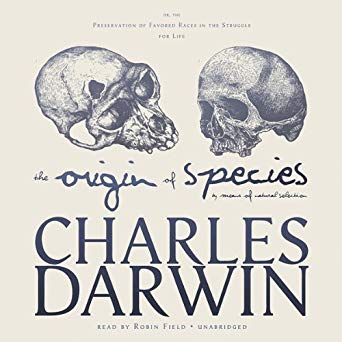
My favorite discussion in Spontaneous Evolution was the bit on Darwin’s theory of evolution.  Did you know that Darwin wasn’t really the first to come up with the theory?  He had help from English naturalist Alfred Russel Wallace.  Wallace, unlike Darwin, was a commoner who caught and sold specimens to museums and wealthy collectors as a way to make a living.  In June 1858, Wallace sent Darwin a copy of his On the Tendency of Varieties to Depart Indefinitely from the Original Type, Wallace’s own theory of evolution.  Apparently, catching specimens in Borneo and selling them had given him a lot of time to study those specimens.  At this point, Darwin hadn’t thoroughly vetted his own theory so rather than rejoice at a like-minded idea, he mourned the possibility of losing his coveted spot as the father of a new theory and enlisted the help of some well-connected colleagues.  A month later the theory was officially introduced at the Linnean Society of London as the Darwin-Wallace theory.

Here’s the kicker.  Darwin’s theory espoused one of fierce competition as in — the only way one succeeded in the world was to be the very best.  As a result, for over 150 years, people have been trampling over each other to get to the top of the heap because, well, survival of the fittest means that the best man wins.  On the contrary, Wallace’s theory was not one of survival, but of cooperation. 

“From the perspective of the commoner, Wallace recognized that evolution was driven by the elimination of the weakest, while Darwin interpreted the same data to mean that evolution resulted from the will to survive inherent in the fittest.  The difference?  In a Wallacean world, we would improve in order not to be the weakest, but in a Darwinian world, we struggle to acquire the status of being the best.  In other words, had Wallace prevailed, there would be less focus on competition and more on cooperation.”

We want to be number one or we think we’ve failed.  We have less of a cooperate spirit and more of a need to dominate than ever. We’re breeding this into our children the same way we’ve had it bred into ourselves.  We want to get ahead, be best, and take no prisoners in the process, but is that really how society functions best, or for that matter, how we want to live our lives?  Remember what it felt like to be part of a community? People helping people?  Why don’t we do that anymore?  Should the desire to help really be equated with weakness?

Eventually, Wallace’s name dropped off — he was a commoner, after all, and in a classic case of survival of the fittest (or should it be richest?), only Darwin remained.  In only took about a year for Wallace to fade into obscurity while Darwin was heralded worldwide with the publication of The Origin of Species by Means of Natural Selection.  There is more to the story and about a decade later, Darwin himself started focusing on human cooperation over competition, but by then it was too late and Darwin’s followers dismissed his new theories — a real pity.

What does the Iroquois Confederacy and the birth of the United States government have in common?  How about the birth of a cell and its adaptation to an evolving world?  Sure, the world can get you down when the news is always so negative, but Lipton and Bhaerman have an antidote.  Spontaneous Evolution will show you how to move the earth beneath your feet.  This book is filled with so much positivity that you’ll walk, or maybe even float away convinced that a more peaceful, verdant world is at all of our fingertips.

And you thought change was impossible.

pam lazos 1.12.20

Posted in book review, epigenetics, Uncategorized | Tagged , , , , , , , , , , , | 35 Comments

You Beneath Your Skin — Book Review and Author Interview

You Beneath Your Skin presents as a crime novel, but it’s also a love story:  to those who find themselves in loveless marriages and are seeking comfort elsewhere; to mothers who bear the burden of raising children that don’t always turn out the way they intended; to fathers who will go to great lengths to protect them; to those trying to make their way in a world that seemed to have lost its own; and to India herself, a dichotomy made flesh, brash, bold, ancient and overcrowded, a country that struggles to keep itself upright as it thrashes its way into the 21st century; a country housing some of the world’s great treasures, but lacking the modern convenience of housing and sanitation for millions; a country that resolutely adheres to the great social experiment that is the caste system, but leaves 276 million people, about 23% of the population, in the dust, wallowing in poverty as a result; a country at war with itself — the feminine vs. the masculine.  It is into this arena that Damyanti Biswas steps with her literary crime debut novel, You Beneath Your Skin.  

The India Biswas presents us with is a wreck.  Overpopulation rules the day and the resulting environmental hazards are everywhere — smog so thick you can barely see down the block; millions living in substandard housing conditions so adverse that even a drainpipe qualifies as a “home”; an extreme lack of sanitation and the infrastructure to hold it; corruption so deep that it would take a backhoe to dislodge the tip of it; and a dispirited female population that has known for centuries they are worth far less than their male counterparts, a population whose lives are literally at stake.  

The story starts off as most crime novels do with a dead body and a man looking to solve the mystery except this dead body no longer has a face because it was burned away by acid. 

Yep, that’s what I said; acid attacks are actually a thing in India, but only against women.  Stop and let that sink in for a moment.  

In fact, there are so many of these horrific attacks that there is an organization dedicated to raising awareness of the issue, Stop Acid Attacks, which Biswas is supporting through proceeds received from the sale of You Beneath Your Skin.  

As a female lucky enough to be born in the United States where I have been given the same advantages as my male counterparts — okay, there’s still hidden sexism and women still make somewhere between 78-82% of what men make  — I am startled by this state of emergency.  Yet, since most such attacks are carried out on the penniless, it’s not considered an emergency in India, just the state of the country.

Biswas deals with all these issues brilliantly, weaving the crime story into the larger social ills that plague modern-day India with a clear-eyed view of the social injustices absent nostalgia or longing or excuses.  Also, she’s a terrific writer so even when she takes you to the most horrific places with such difficult subject matter you find that you can’t look away.  My one difficulty with the book had to do with me, not Biswas.  As Indian names are not familiar to me, I had a bit of trouble early on keeping the characters straight, but this cleared up for me once the initial scenes were set and I got comfortable.  After that, the rest was just a great read.

I’m not the kind of reviewer to give away more than the first couple chapters of the story because I don’t want to ruin your journey and the blip in the picture above gives you enough of the story for you to decide whether you would like to read this book or not, but let me just say this:  the characters in this story are so full of depth, so nuanced, and so strong, even in their frailty, that you will want to read this simply as a psychological study of human nature.

You won’t come away from You Beneath Your Skin with a skip in your step and a Pollyanna-ish view of the world, I promise you, but that’s not why we read, is it?  We read to educate ourselves, to map out the social conditions here and abroad, to take stock of the world and see how we fit into it, to work toward a more socially just universe where everyone has the opportunity to live life their best life without fear of violence or oppression and it’s the sobering books like You Beneath Your Skin that open doors to the larger conversations like what we as a people should be demanding from other people and ourselves.  I’m sure acid attacks on potentially one half of a country’s population is not us living our best lives.  

You Beneath Your Skin teaches us, without admonishing, that we can do better humanity.  We owe it ourselves, to each other, and to society as a whole.

pam lazos 1.5.20

And now, let’s hear a few words from Damyanti:

Out of all the social justice issues that pervade your native India, how did you settle on acid attacks to be the subject of your novel, You Beneath Your Skin?

I did not settle on the subject at all. I wasn’t aware I was writing a novel with social justice issues until the time I’d written it. The issues crept in because I work with Project WHY—an organisation that works with the empowerment of women and children. While writing, I needed a way of making violence visible, and my research led me to acid attacks. After I’d met some of the survivors I knew I either had to write about them in-depth and with authenticity, or not at all. The final shape of You Beneath Your Skin came from there.

How has the experience of writing the novel raised your awareness of this and other issues? 

Writing the novel made it more visceral. With each character, I had to inhabit a situation and a psyche. To make it more authentic, I had to read up, watch videos, and finally, speak with the survivors. It gave me a perspective I did not have before. I still do not understand all the nuances of the lives I’ve depicted, but I certainly get them better than I did before.

What are the top three social justice issues that concern you and, if you could wave a magic wand, what would you do to eradicate them?

Violence against women and children, the exploitation of the environment by the rich, and the inequality of wealth.

If I were to be given a magic wand, I’d like one that could inspire compassion in absolutely everyone. More compassion and kindness would lead to less greed, less consumerism, less sloth, less rage, less discrimination —  the human characteristics that often make our world a dark place.

Without a magic wand, the slow and painstaking answer is education and awareness. Education not just targeted at making money, but also at knowing our fellow beings and having true compassion for them. Science that would pursue people rather than profit. Sounds almost like I would need a magic wand to make this happen.

Have you always tackled social justice issues in your writing and, if so, was there one event that sparked your interest in social justice or something more general?  

This is my first novel. In my short stories and flash fiction, I have not consciously tackled social justice issues. I’m fascinated by what makes people tick, and my effort is to portray them as they are. I have been interested in social justice ever since I was a child when I witnessed violence against women and children and suffered some of it myself. Most of the time this has been reflected in my work in oblique ways.  You Beneath Your Skin was the first work that ended up tackling social justice issues head-on, and as I said before, it was not intentional.

You have a robust blog following and are active in many social issues, working tirelessly to raise awareness for these issues.  Where do you see yourself as a writer in ten years?  As a social activist?

My blog is all due to the kindness of blog friends. I write about issues that fascinate me and I interact with other bloggers. In ten years I would love for the blog to have more impact — to be able to fundraise more for issues, to be able to raise even more awareness, and possibly to invite guests from these spheres to talk about their work.

I don’t see myself as a social activist. All of us do our bit in adding to the good in this world, and I’m doing that. If raising awareness and fundraising for causes are social activism, I have done a little of it. I do not see these activities as a separate vocation—they’re a part of who I am. Let us hope the coming years bring me more opportunities to leave an impact.

Anything else to add?

I would love to reach out to your readers and ask them to check out the causes that have my heart: Project WHY and Stop Acid Attacks. 

Project WHY offers free after-school support to underprivileged children and empowers women by skilling them and providing employment. Each year it reaches out to about 1200 children.  Its magic lies in the depth of the impact in the communities it works in—teachers are erstwhile maids and salesmen from the communities, and the curriculum is standardised and exhaustive. Alumni have joined the army, hold down office jobs and have turned entrepreneurs.

Stop Acid Attacks works to raise awareness against acid attacks in India—women are attacked with impunity with a cheap, readily available weapon, and the punishment is hardly ever commensurate with the crime. Stop Acid Attacks educates and empowers survivors, and also gives them employment opportunities in their Sheroes cafes in Agra and Lucknow. They provide survivors with legal support a well. They conduct campaigns against the ready availability of acid and the indifference shown to the survivors by members of our society.

If we could speak more often of the issues of violence against women all over the world and in our communities, that would not just help people in distress or save lives, but allow countless individuals who suffer in silence to speak out for themselves.

Thanks for your time, Damyanti, and best of luck with the book, the work, and the vision.  You are a role model.

Excerpt of You Beneath Your Skin

CHAPTER ONE

Anjali Morgan wanted to get hold of Nikhil and smack him. He could have hurt himself jumping out of the moving car. 

I told you he’ll be the death of you one day, Mom’s voice played in her ears. You never listen. 

‘Get back in the car,’ she yelled at Nikhil, but he’d disappeared, leaving Anjali stranded at the narrow, sloping exit tunnel of the capital’s largest shopping mall. Two drivers honked behind her. She wanted to turn and yell at them but held back. You know better than anyone else he can’t help it. 

She needed to clear her head before she spoke to him again. He wouldn’t go far. Deep breaths. She leaned out of the car door and inhaled, only for the petrol fumes to hit her, along with the smog and that dusty smell unique to New Delhi. She forgot it most times, but now she choked on it and coughed. 

Anjali stepped out of her car, the yellow overhead lights blinding her for a moment. Five cars now queued up behind hers. The driver in the first car had seen a teenager throw a tantrum in front of his harried mother. He slammed the horn and the rest followed suit. She spotted Nikhil’s gangly form down the slope, cantering away. 

‘Madamji.’ A short Nepali guard in a beige uniform hurried up the slope towards her, his whistle shrieking. ‘Yahan parking allowed nahin hai.’ 

‘I’m sorry.’ Anjali tried to remember the Hindi words, but they’d fled, along with her composure. ‘My son has run away.’ 

She was about to sprint after Nikhil when the guard overtook her and blocked the way. 

‘No parking here.’ He pointed at the cars queuing up behind her. ‘This is “Exit”.’ 

Down the slope behind the guard, Anjali watched in horror as Nikhil turned into the parking area and disappeared. The cool air of a November evening made her shiver. 

‘I need to go get my son. What part of that can’t you understand?’ 

Anjali loosened the scarf about her neck, parted it from her jacket. In her last therapy session with Nikhil, the two of them had been taught to cup their hands and take deep breaths when in a trying situation. She tried it now, but terror clogged her throat. Her breaths came gasping, short. 

‘Big boy only, mil jaega.’ The Nepali guard gestured towards the main road and spoke in a mixture of Hindi and broken English, ‘Make one round and come back. Where will he go?’ 

How was she to explain to this man that she couldn’t afford to lose sight of Nikhil? By now he might have tripped and fallen down an escalator, screaming like a horror movie hostage, or thrown a fit when a stranger brushed against him in the evening crowd. 

‘Move your car.’ Another guard appeared, his eyes trained at her chest instead of her face. ‘You are making jam.’ 

A supervisor. Making jam, indeed. Strawberry or apricot? 

She needed to get past the honking cars, the petrol fumes in the exit tunnel, and this cranky supervisor eyeing her up. 

‘Get into car, madam,’ the supervisor continued. ‘Gori memsaab,’ he muttered under his breath in Hindi, ‘samajhti kya hai apne aap ko?’ 

The sight of a light-skinned, blonde-haired woman, taller and broader than him, had clearly pissed this man off. Twelve years in Delhi and it still got to her. The guard didn’t know she understood his comment: ‘What does she think of herself?’ and the way he chewed on the words ‘gori memsaab’ behind his moustache. White Madam. 

She wanted to punch his face, show him what a big ‘white madam’ might do, but that wouldn’t get her any closer to Nikhil. Quite the opposite. Two more guards jogged towards her from the parking lot. 

‘I will find him, madamji,’ the Nepali guard spoke up in order to be heard over a renewed spate of honks, ‘you go and come back. I saw him. In black t-shirt and jeans, hai na?’ 

‘Yes. But please don’t touch him, he gets upset.’ 

Anjali scrabbled through her bag. ‘Here’s my card. Call me, please, when you find him.’ She dropped it. ‘Sorry!’ she snatched it up again. ‘Oh, his eyes are blue.’ 

The cars blasted their horns, and the supervisor edged towards her. Anjali stepped back, her hands shaking. Would she lose Nikhil the evening after his fourteenth birthday? She slid back into her car and drove off. Speed-dialling Maya, her landlady and best friend, she crashed her gears. Maya might not have found a taxi near the mall entrance yet. She could help look for Nikhil. 

Anjali tried to steady her fingers on the steering wheel. Stuck amidst other cars in the afternoon traffic on Mandir Marg, with bikes edging past her and picking their way to the front of the congestion, it would take at least another ten minutes to turn back into the mall’s parking lot. She prayed for Maya to find Nikhil before he got into trouble. 

Should have checked the child lock on his door, Mom’s voice piped up inside her head. But how was she to know Nikhil would run? No point in worrying about that now—she needed to breathe through this. Anjali had grown up with Mom’s voice, and even though she had moved thousands of miles away, Mom still lived within her. Anjali counted her breaths, which took her back to Lamaze classes, days with Nate Morgan sitting behind and breathing right along, days when Nikhil was a part of her and couldn’t kick other than from inside her belly. 

She could no longer shelter her son within her body or absorb his punches and tantrums. Even as a baby, he’d refused to nurse. Later, he lay alone, keeping his gaze on the red toy airplane buzzing in circles over his crib, unhappy when Anjali picked him up for a nappy change. 

Anjali watched a woman stirring a pot on the pavement not five feet away from the traffic, her baby’s feet hovering over the fire. Be careful, Anjali wanted to tell the mother, please be careful. Despite the cold, toddlers ran barefoot, in torn sweaters. Wrapped in wide, shaggy blankets, elderly men sat smoking beside flimsy homes fashioned out of tarpaulin and cardboard. Pedestrians sidestepped makeshift beds and hurried past migrant children who came to the capital in search of a better life: outsiders, like her, only far less fortunate. Behind them, a huge, lighted hoarding showed pale-faced models in tuxedo suits and gowns next to large television screens. 

Sweat beaded her upper lip. She didn’t feel very fortunate right this minute, merely stupid. Why hadn’t she taken that guard’s mobile number? Like an idiot, she’d told him about Nikhil’s blue eyes. Nikhil usually kept his gaze to the floor—what if that guard tried to get a look at Nikhil’s eyes and he freaked? We’ll find him, Maya had assured her on the phone not ten minutes ago, don’t panic. Maya was more family than friend and good with Nikhil, so she was a good bet to locate him. Anjali tried to reach Maya again and listened to the unanswered phone. Instead of a ring, Maya had downloaded a caller tune, a peppy Punjabi number. 

Catching sight of her face in the rear-view mirror, Anjali flinched. Faded make-up, wrinkles under her eyes, greasy hair. Mom would have cackled had she seen Anjali like this. Stay with the face God gave you. Vanity is a Sin. Nikhil had aged her by a dozen, no, twenty years. Long work sessions at her Bhikaji Cama clinic, taking him for group therapy sessions with Dr Bhalla, and now this shopping trip from hell. She thumped her hand on the horn, emitting a series of sharp honks to hurry along the cars at the green light. 

What if this was her punishment for letting him skip lunch today, following a tantrum? Dr Bhalla said she must remain consistent, not give in when he went into a meltdown during his daily routine. Nikhil was bound to be hungry by now, after a chocolate shake and not much else for lunch that afternoon. No, Anjali, focus. Find him first. She sighed and dialled her friend again. 

Maya finally picked up as Anjali turned into the mall parking area. 

‘Can’t find him, Anji. I’ve looked everywhere. He’s not at the toy shop. Should I call Bhai?’ 

Anjali sprinted up the escalator, two steps at a time, sweating despite the chill. If they didn’t find Nikhil soon, she must get the mall security to make an announcement. He might have lost his way to the toy shop, a long walk and three floors up from where they’d parked. Trying to look calm, she approached the handbag-check, where the lady guard in a khaki saree delicately swirled the metal detector through her bag, as if stirring a curry. Wanting to scream with each wasted second, Anjali crossed through the sliding doors and headed for the information desk. She had taught Nikhil to look for one if he got into trouble. Would he remember? 

Reaching the main courtyard, Anjali squeezed past a bevy of perfectly-coiffed women in salwar-kameezes, laden with shopping bags. Out of breath, she stopped beside Nando’s, where a family sat with two kids about Nikhil’s age. To manage an episode, Dr Bhalla said, use the right aids, at the right time. Nikhil did not allow touch. Anjali grabbed a smiley squeeze ball and his favourite blue blanket out of her handbag and scanned the crowd for a skinny boy with tufts of hair jutting up at the crown, a shambling walk, hands fisted.

She spotted him near a hair salon. She wanted to call out his name, but that would scare him into running or throwing a tantrum. 

He started when she touched his sleeve, but the face was a lot older, filled out, with a moustache. Not Nikhil but a salon employee, a bright red tag on his black tee-and-jeans uniform. Anjali blurted out a stream of hurried apologies and sprinted on. 

Nikhil wanted to get to Hamleys and buy that airplane. He already owned one in black, but he wanted the red one, he’d said, and the blue. Anjali should have said yes, instead of handing him a squeeze ball and showing him his schedule for today. It specified that he could stay in the mall from 6.30 to 8.30 pm, pick one slice of Black Forest cake at the pastry shop to eat after dinner, and buy one airplane of his choice. Not two, or three, just one. 

She called Maya. ‘Did you see him?’ 

‘Not yet. I’m at Hamleys. I think you should go to the information desk.’ Maya paused. ‘Bhai called to ask if I was on my way. I had to tell him.’ 

Great. Within minutes of each small crisis in her life, one of Delhi’s top cops knew. Mr Jatin-Worried-Bhatt, Maya’s doting older brother, would call any minute now. Please, not him, not now. 

She cut the call. Stopping to catch her breath, she closed her eyes. She needed to collect herself, not panic. A low whine floated up, but once she opened her eyes there was only the buzz from the throng of shoppers around her.

***

To get in touch with Damyanti:

Social media info

Pls tag me at @damyantig on Twitter and Insta, and on @damyantiwrites on FB

To tag Simon & Schuster

@SimonandSchusterIN : Insta 

@SimonSchusterIN : Twitter 

@Simon & Schuster IN: Facebook 

 @projectwhydelhi and @stopacidattacks on Twitter, Instagram and FB

Hashtag for all social media: #YouBeneathYourSkin


Posted in author interview, book release, book review, books, Uncategorized | Tagged , , , , , , , , , , | 36 Comments
Symmetery 2020!

         [All photos by Ian Eberly]

Symmetry 2020!

Happy New Year!  Time to reflect, resolve, reassess, and reorganize.  Also, maybe take a nap.

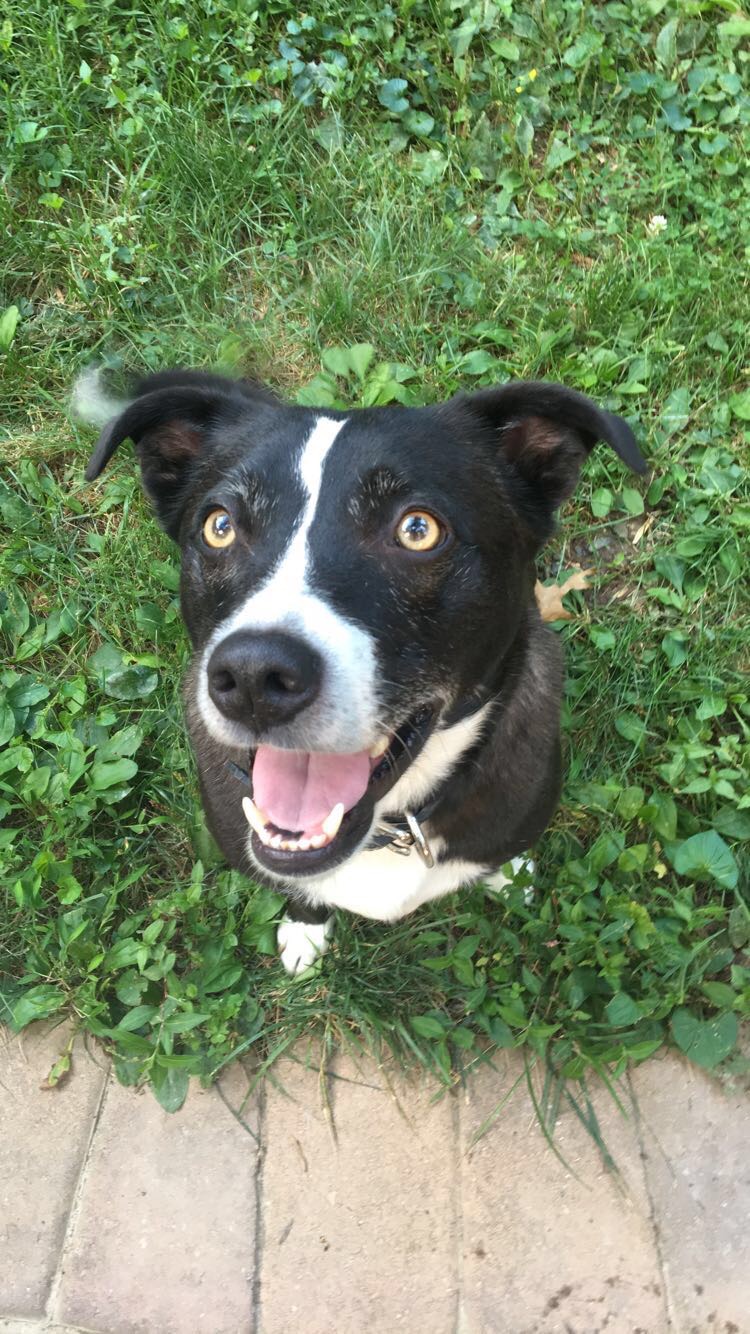
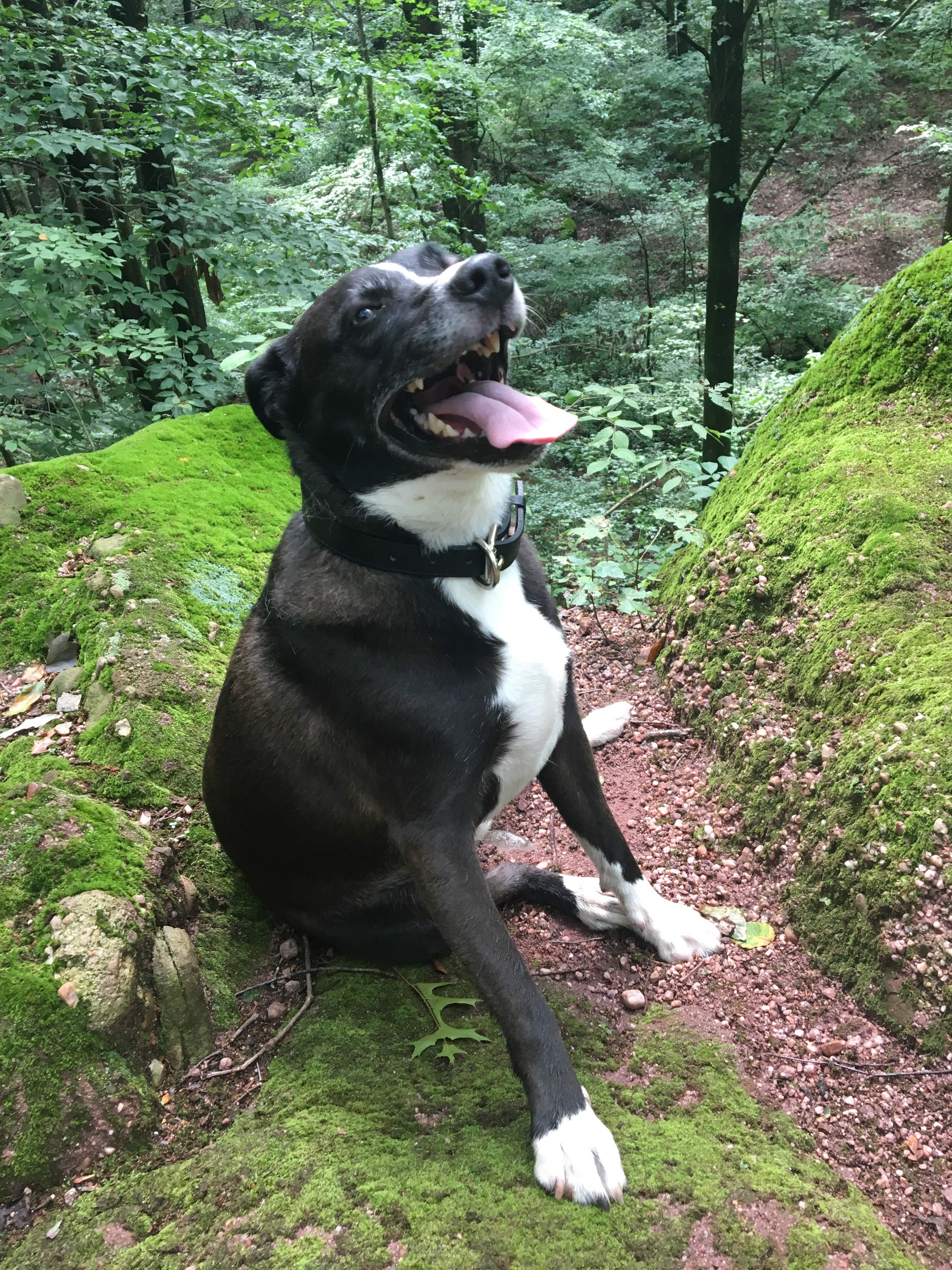
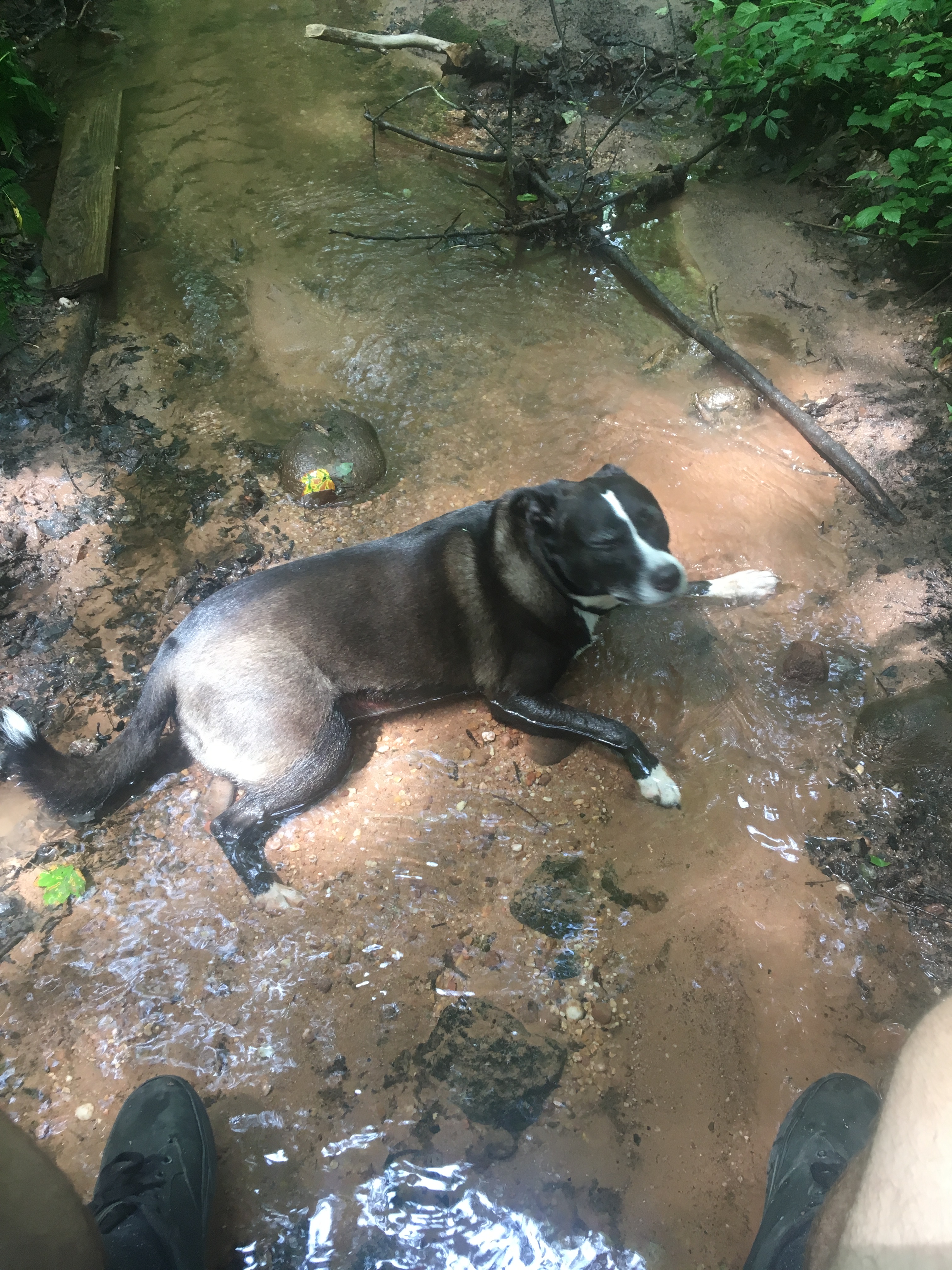
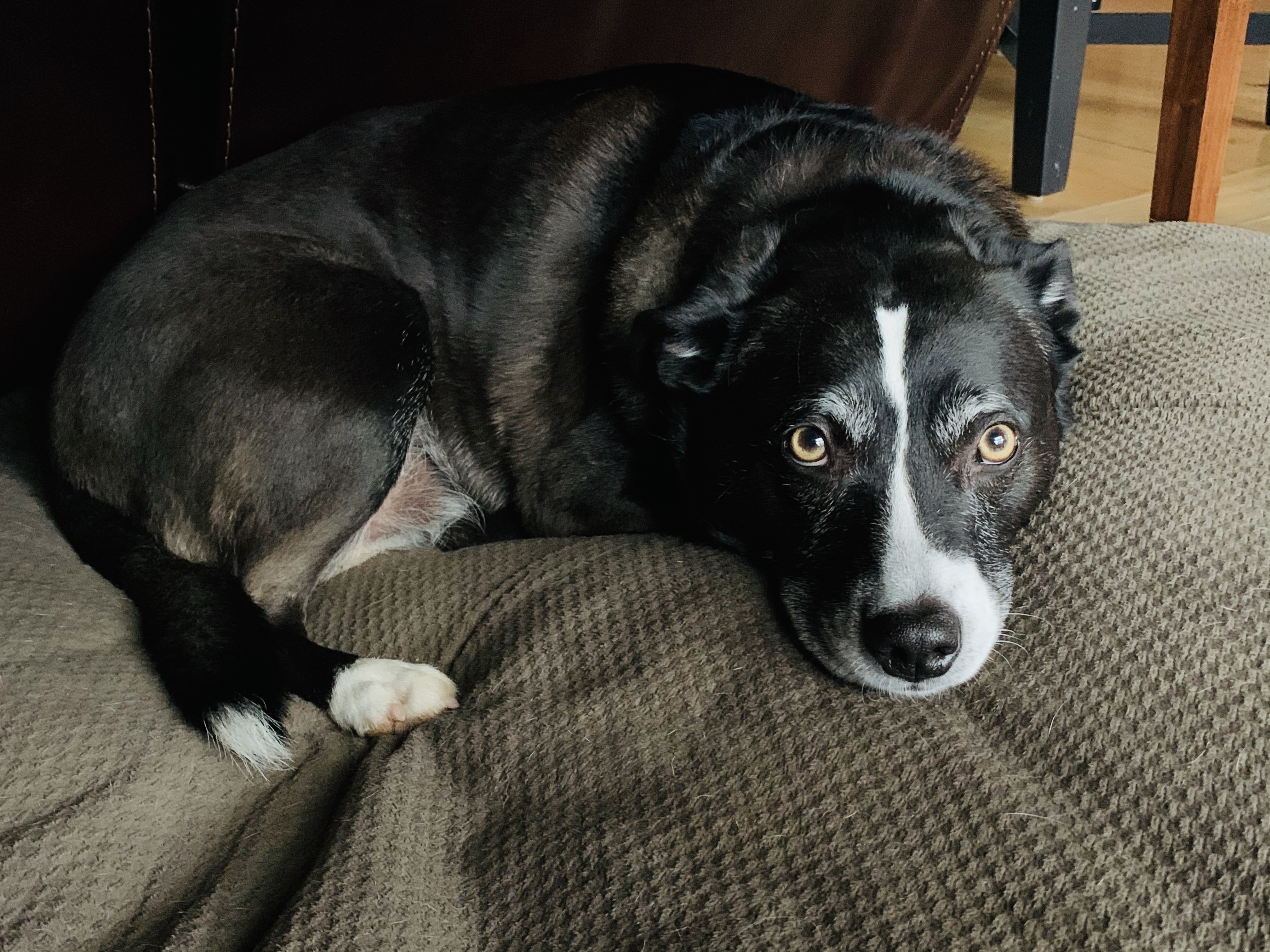
Today started like any other for our dog, Apollo.  He got up, greeted the day as if it were the only thing he ever wanted and seized it like a giant porterhouse steak, dripping with juice and piled with the trimmings.  He does this every morning, running out ahead of me straight to the door, spinning in circles while I unlock it so he can sprint out the door, sniff around, find the perfect pee spot, make sure everything is as he left it the night before and no one new has moved into his territory while he was sleeping.  When he’s satisfied, he runs back to the door and waits, wagging his tail whenever we make eye contact.  Sometimes I’m in the middle of feeding the cats so I don’t let him in right away, but that’s okay with him.  He’d wait all day if he had to.  

Once in, he paces until breakfast is served.  For the next 16 hours he follows me, or my son, or my husband around — not so much the girls for some reason, probably because they don’t give him treats — waiting to see if we’re walking or going for a car ride or just relaxing on the couch.  He’s only allowed on the couch if there’s a blanket for him to sit on and he waits patiently while I arrange it just so.  Every last thing he does, even sleeping — letting out a sigh of contentment that is unparalleled — he does with a joie de vivre that I have never noted in another animal or human.  What a fabulous way to live. 

Can I learn to approach life with the same attitude as my dog?  By tapping into the energy of 2020, I think I can.  I like the symmetry of this year’s numbers — 2020, so round and full and whole — so I’m making symmetry my word for the year.

From the online dictionary:

symmetry

noun

1 the garden is neat, laid out with perfect symmetry: regularity, evenness, uniformity, equilibrium, consistency, congruity, conformity, agreement, correspondence, orderliness, equality. ANTONYMS asymmetry, irregularity

2 the remarkable symmetry of the poem: balance, proportions, regularity, evenness of form, harmony, harmoniousness, consonance, concord, coordination. ANTONYMS asymmetry

Equilibrium, harmony, consonance, coordination, aren’t they all lovely words with even lovelier meanings?  Let’s find our way back to symmetry this year, both individually and as a planet.  We do not thrive solely as individuals but as the sum of all of our parts so let’s treat the world the way we want to be treated.  This is a tenant of every major religion — that we take care of each other — and since I’m an environmentalist, let’s add the planet in there, too.

IMG_9877

I’m aiming to tackle 2020 the way my dog would, with joy, love, conviviality, happiness at every turn, appreciation for everyone and everything, and satisfaction with even the most mundane things because life is short, I only get a few minutes of it (relative to the age of the universe), and I want to make the most of my minutes.  Plus, Apollo pivots better than any human I know and that’s an extremely helpful skill to have.  

Processed with VSCO with p5 preset

Want to join me?  Let’s start this decade off right and throw a little orderliness, equality, and concord into the mix.  Pair it with a neutral reaction by pivoting when things don’t go according to the plan and see how your life improves.  I bet the universe conspires to shower you with blessings as a result of your efforts.  


Good luck out there.  Happy New Year 2020!

pam lazos 1.1.20

Posted in joie de vivre, Uncategorized | Tagged , , , , , , , , , , | 42 Comments

Joy Story

Joy Story

It’s the season of light, ironically, since, in the northern hemisphere, the days are shorter now than they will be all year. I think it’s a testament to man’s resilience:  when in darkness, make light.

Back when we were still roaming the forests, this dark time must have been scary, but even a slew of technological advances can’t take away all the fear, the loss, or the anxiety that is part of the DNA of being human.  Just yesterday, while in the middle of wrapping presents and watching a favorite holiday movie, I had an overwhelming moment of grief that nothing short of a few minutes of crying would quash.  I miss my parents something awful this time of year, something that no amount of anything will ever change.  I’m sure every one of you reading this has a similar story to tell.

This morning I read a piece published by my beautiful friend, Lydia Isales, a former colleague and fellow writer and environmental lawyer who has been waylaid these last couple years by not one, but two cancers.  That she continues to get up in the morning and put a brave face on the day not just for herself but for everyone who loves her is an inspiration to me and all whose lives she touches.  She channels her fear by writing works of fiction.  I share her recent (and to date, only) memoir piece (on page 53) written about her journey, a very personal, very heartwrenching and human story.  May it touch that place in you where we are all connected.

But it’s not all doom and gloom, eh?  It’s the most wonderful time of the year to hear the songwriters tell it.  And it is a wonderful season, full of hope, reflection, regeneration, and renewal.  A little nostalgia, and a little joy.  Isn’t that what life is?

So on to the joy!  Please watch this short animated film, Joy Story.  With each frame, I dare you not to feel the light bubbling up out of you.

Until the New Year, many wishes for all the light your heart can hold.  Until then, we’ll have to muddle through somehow.

pam lazos 12.24.19

Posted in Joy, Uncategorized | Tagged , , , , , , , , | 27 Comments